Repairs · Parkway
Garage Door Safety Inspection in Parkway
On bright afternoons the door goes down a metre, stops, and climbs back up while the light on the opener blinks.
In plain words
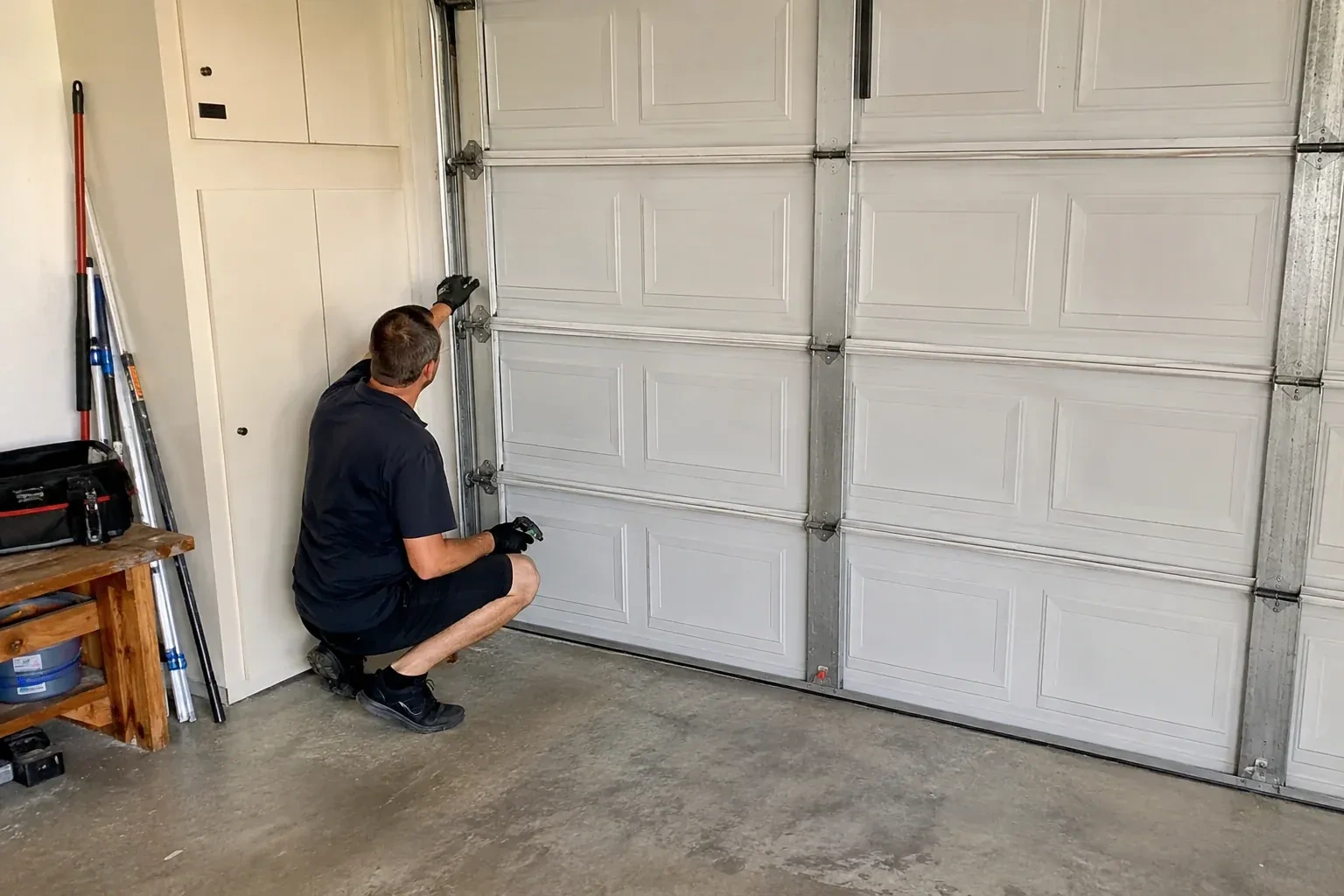
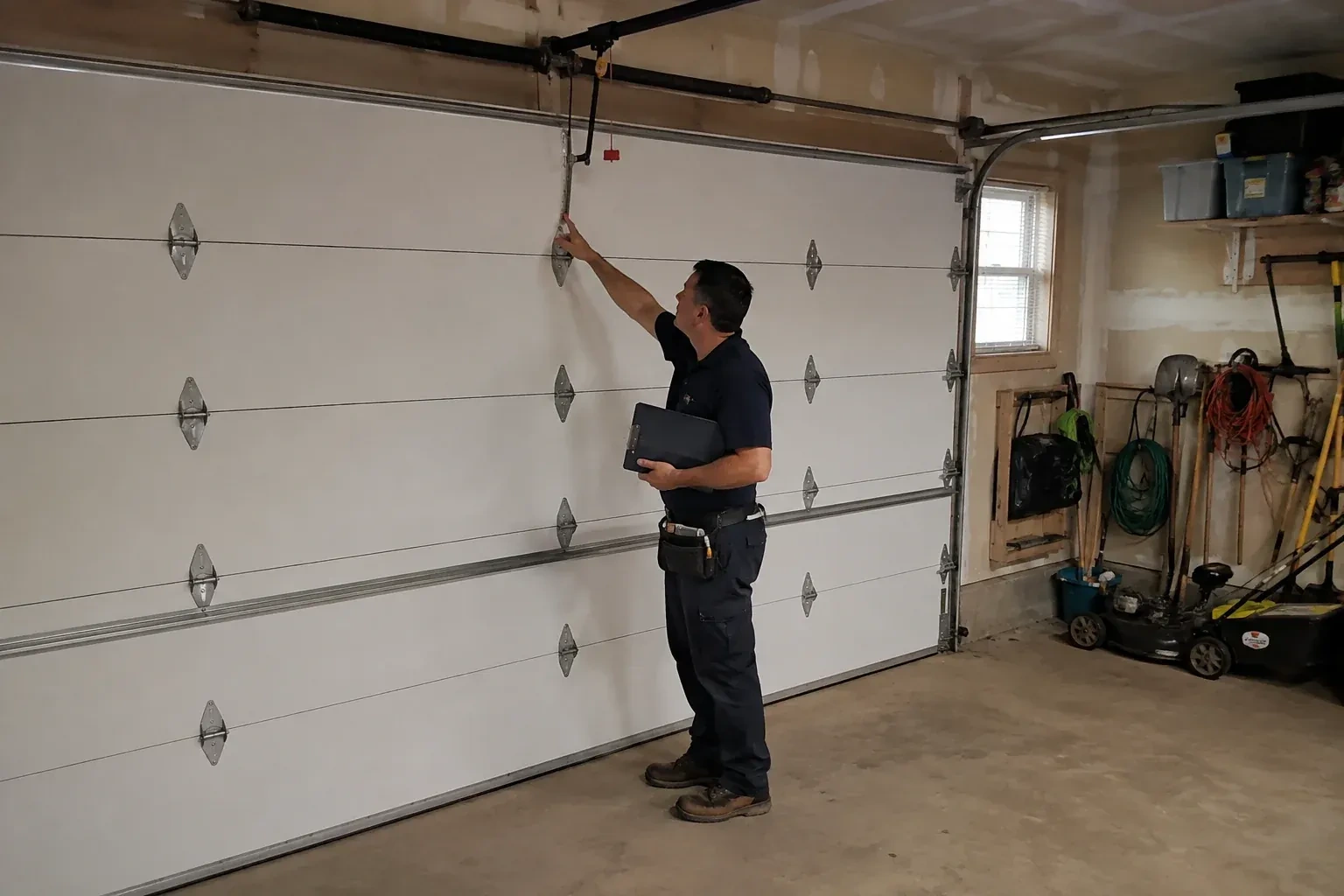
An inspection separates looking from fixing on purpose. Springs, cables, drums and bottom brackets hold the door's weight as stored tension, so the technician examines them closely, measures what can be measured and photographs what matters, without loosening or winding anything. Once the findings are written down, any adjustment or repair becomes its own planned job, done with the door secured and the stored spring tension controlled by whichever method that system calls for. This order protects the hardware as much as the people around it, and it means the report describes the door as it actually is rather than as it was left after a hurried tweak.
How the visit goesBacking out in a hurry, the bumper tapped the bottom section. The dent is small and the door still runs, but it seems to shudder now at the point where the panel meets the track.
Garage Door Safety Inspection
How the visit goes
What you have noticed, and when it started
You are part of the assessment. The technician asks when the door last felt normal, what the first change was, whether a sound comes on the way up or the way down, and whether anything happened just before: a bump from the car, a heavy snowfall, a power cut, a new remote. A door that got noisy over a year and a door that changed overnight are different stories, and the second usually has a single cause. Previous repair paperwork, the door's manual and any photos from when the house was bought are all useful. This short conversation tends to shorten the search and adds context to the report that a checklist alone would miss.
Measuring and photographing what matters
A report that says only fine or worn is not much use next year, so the technician records numbers. Spring wire size, inside diameter and length on a torsion door, and stretch on an extension door; cable diameter and the condition of each bottom loop; the gap at the bottom seal along its length; the height of the photo eyes; the door's overall dimensions and the opener's model. Each finding, from a rusted bracket to a cracked roller, is photographed with the light on it. These measurements let the next inspection show what has changed and let a future repair be quoted from the record instead of a second visit.
A dated record you can keep with the manuals
You leave the visit with a written report tied to a date, the door and opener model numbers, and the technician's name. It lists what was in good order, what was maintained on the spot, what is worth planning and, if anything, what must be corrected before the door is used. Measurements and photographs sit alongside the findings so a future repair can be quoted from the record and a future inspection can show what changed. Keep it with the door's manuals or in the home file. It is the kind of document that answers a buyer's question, an insurer's question or your own question in a year's time in one page.
Garage Door Safety Inspection
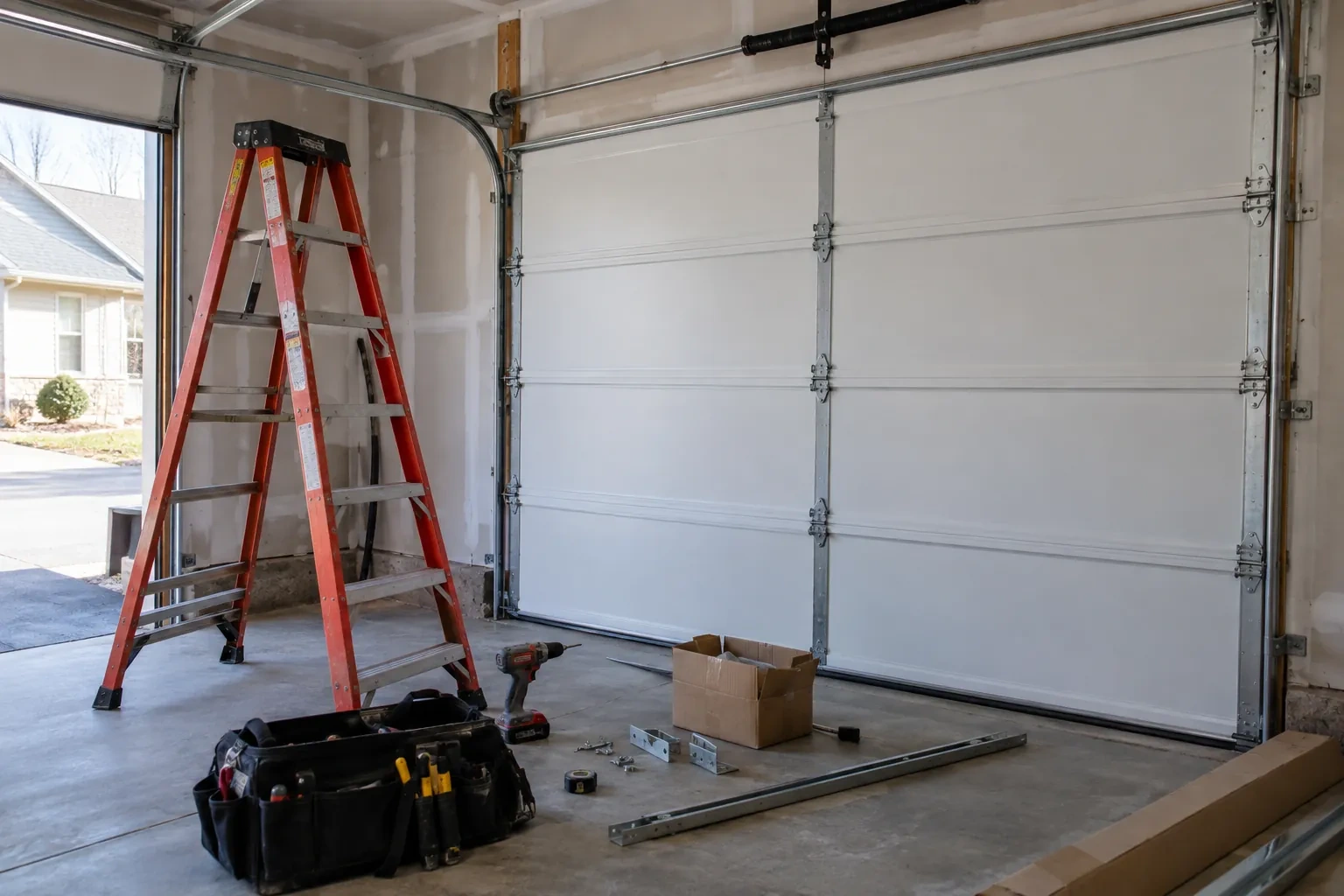
In the van
Inspection checklist and report form
Camera for findings
Remote and keypad batteries
Silicone garage-door lubricant
Replacement hinge and track fasteners
Garage Door Safety Inspection
What affects the quote
Manuals and unusual models
A door or opener with no label, a discontinued model or a custom lift setup means the test procedure has to be established rather than looked up, which adds time.
Access to overhead track or a locked mechanical room
Some tracks run behind storage or into a locked mechanical room, and reaching every bracket and fixture takes longer when a ladder or a key has to be found first. Clearing a path to the track ahead of the visit lets the inspection move through the whole door without interruption.
Small parts replaced on the spot
A missing hinge bolt, a stripped track lag or a remote battery can be replaced from the van. Parts fitted this way are listed individually rather than folded into the inspection.
What to have ready
- Has a vehicle or anything else struck the door or the tracks?
- What prompted the call, and when did you first notice it?
- Is there a spring on a shaft above the opening, or springs stretched along the tracks?
Garage Door Safety Inspection: questions
QuestionsIs the inspection different for an older detached garage with springs along the tracks?
The route is the same and the counterbalance looks different. Extension springs stretch beside the horizontal tracks and pull through pulleys, so the technician examines each spring for stretch and a broken end, each pulley for a grooved wheel or a seized bearing, the cable clips, and whether a containment cable runs through the centre of each spring. Balance, reversal and photo-eye tests are unchanged.
My car bumped the door. Do I need an inspection if it still works?
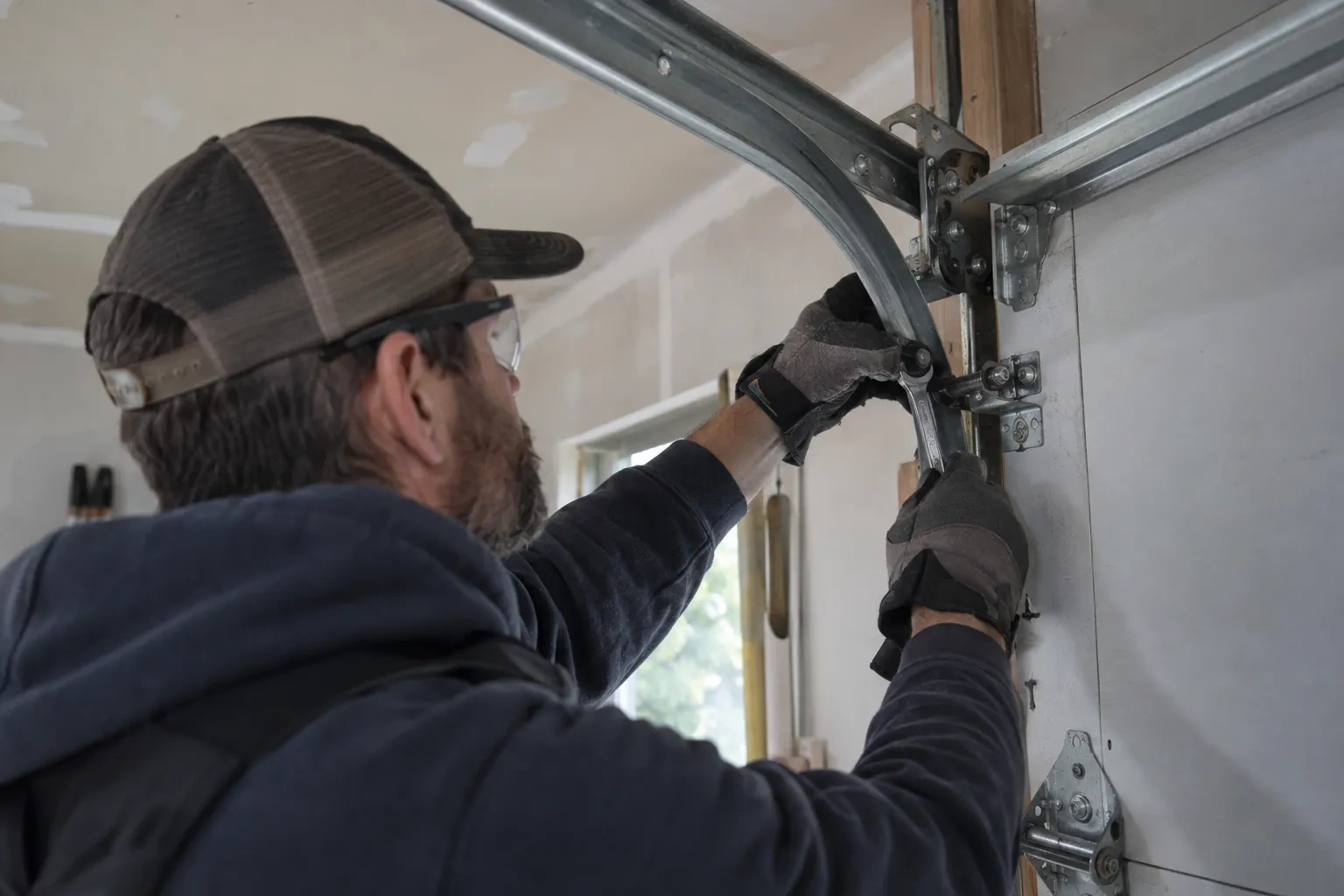
A door that still runs after a bump can still be carrying the effects of it. The force travels from the dent into the roller, the track, the bottom bracket and the cable on that side, and any of them can be nudged enough to change how the door hangs. An inspection follows that path and tells you whether the mark is cosmetic, whether a part needs work, or whether the balance has shifted.
What exactly gets looked at during the inspection?
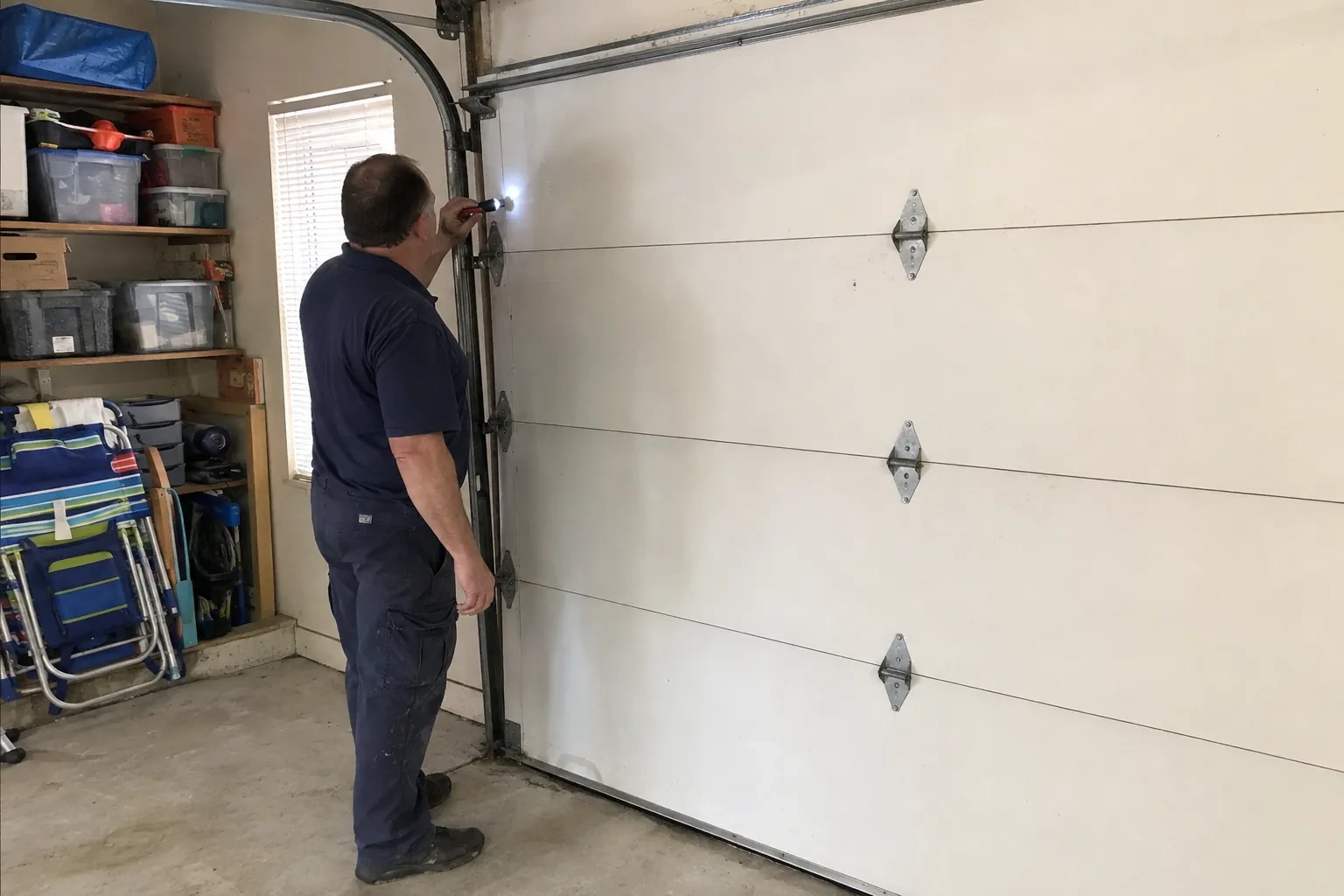
The whole system, not just the opener. Sections, hinges, rollers, tracks and their fasteners; springs, cables, drums and bottom brackets; the bottom seal and perimeter weatherstrip; the opener head, rail, arm and mounting; the photo eyes, contact reversal, wall control, remotes, keypad and manual release; and the warning labels. Each is examined, and the door is tested both by hand and under power.
Related services
- Off-Track Garage Door ResetOne side of the door hangs a hand's width lower than the other.
- Garage Door Panel ReplacementYou misjudged the last metre of the driveway and felt the bumper meet the door.
- Garage Door Bottom Seal ReplacementThe garage doubles as a workshop, and with the heater running the floor near the door stays cold and the draft finds your ankles at the bench.