Garage Doors in Kitchener, OntarioSmall adjustments.Long life.
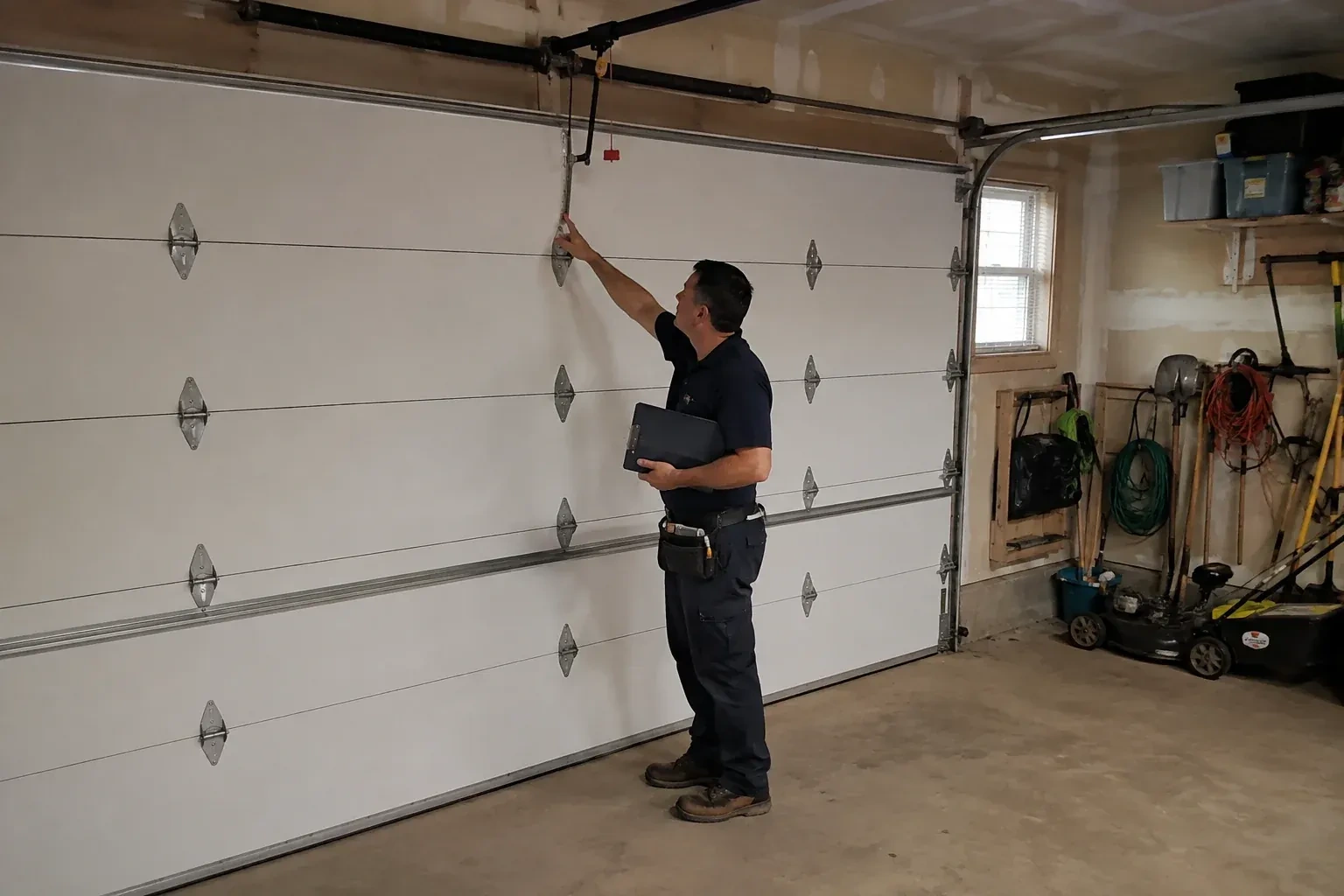
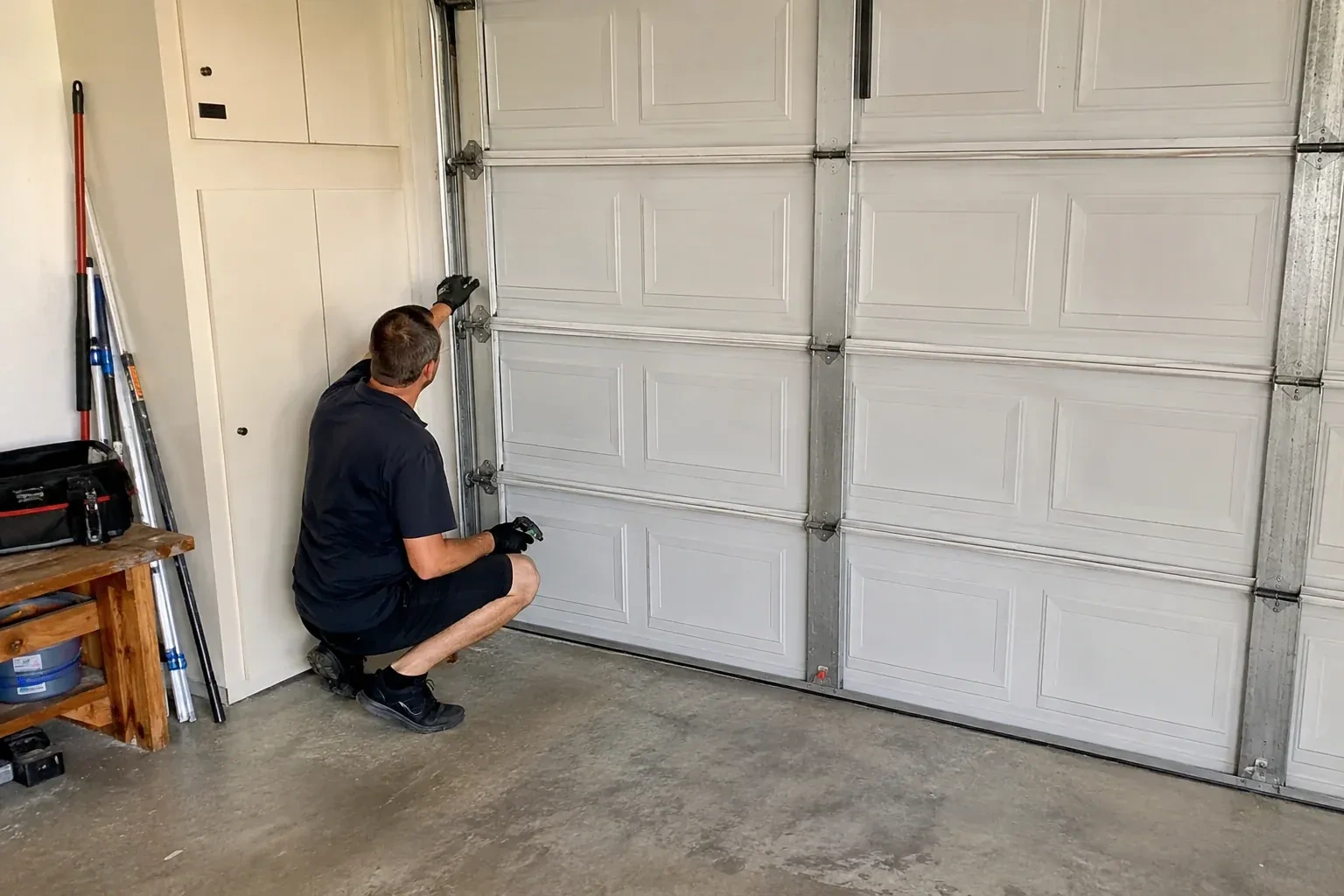
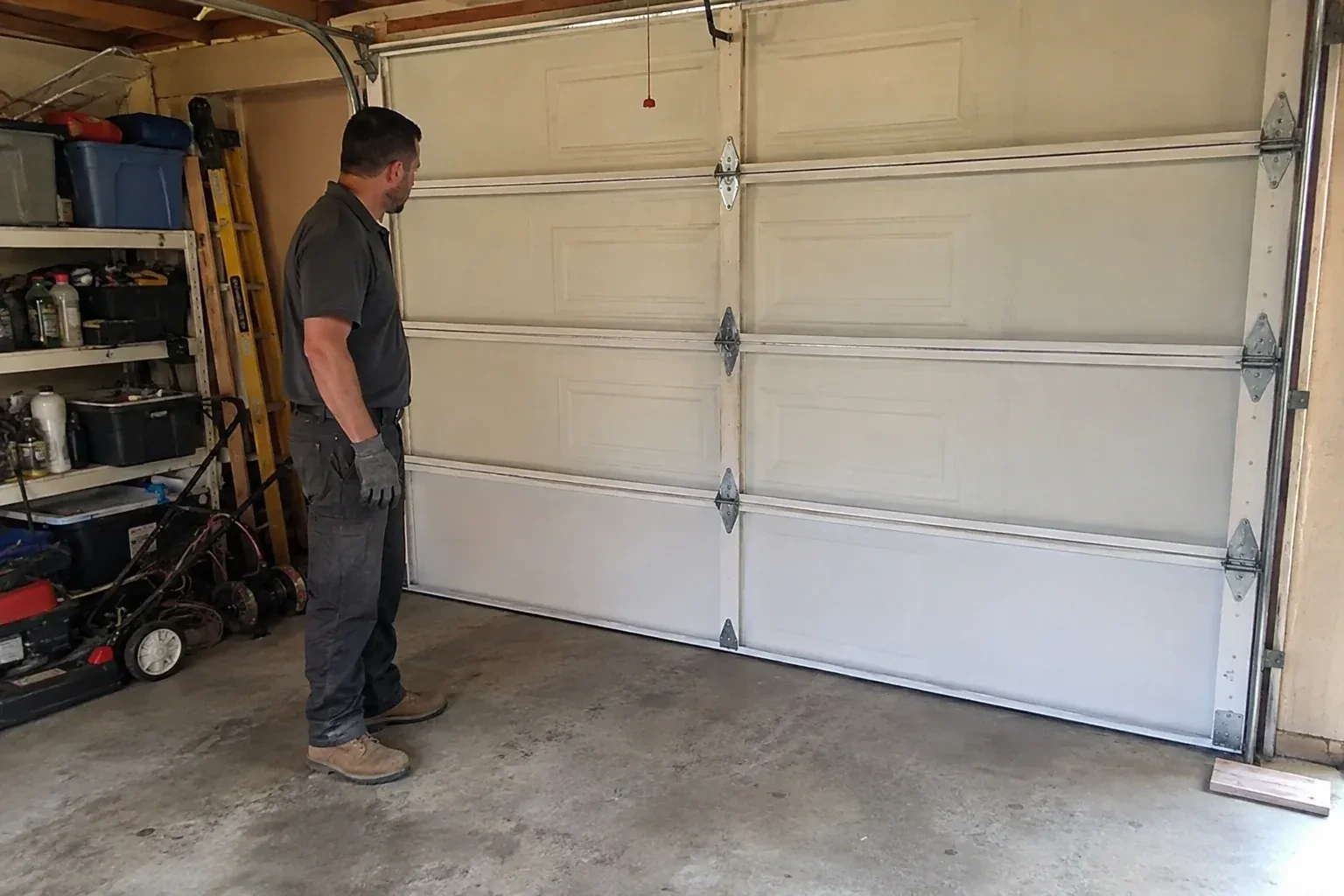
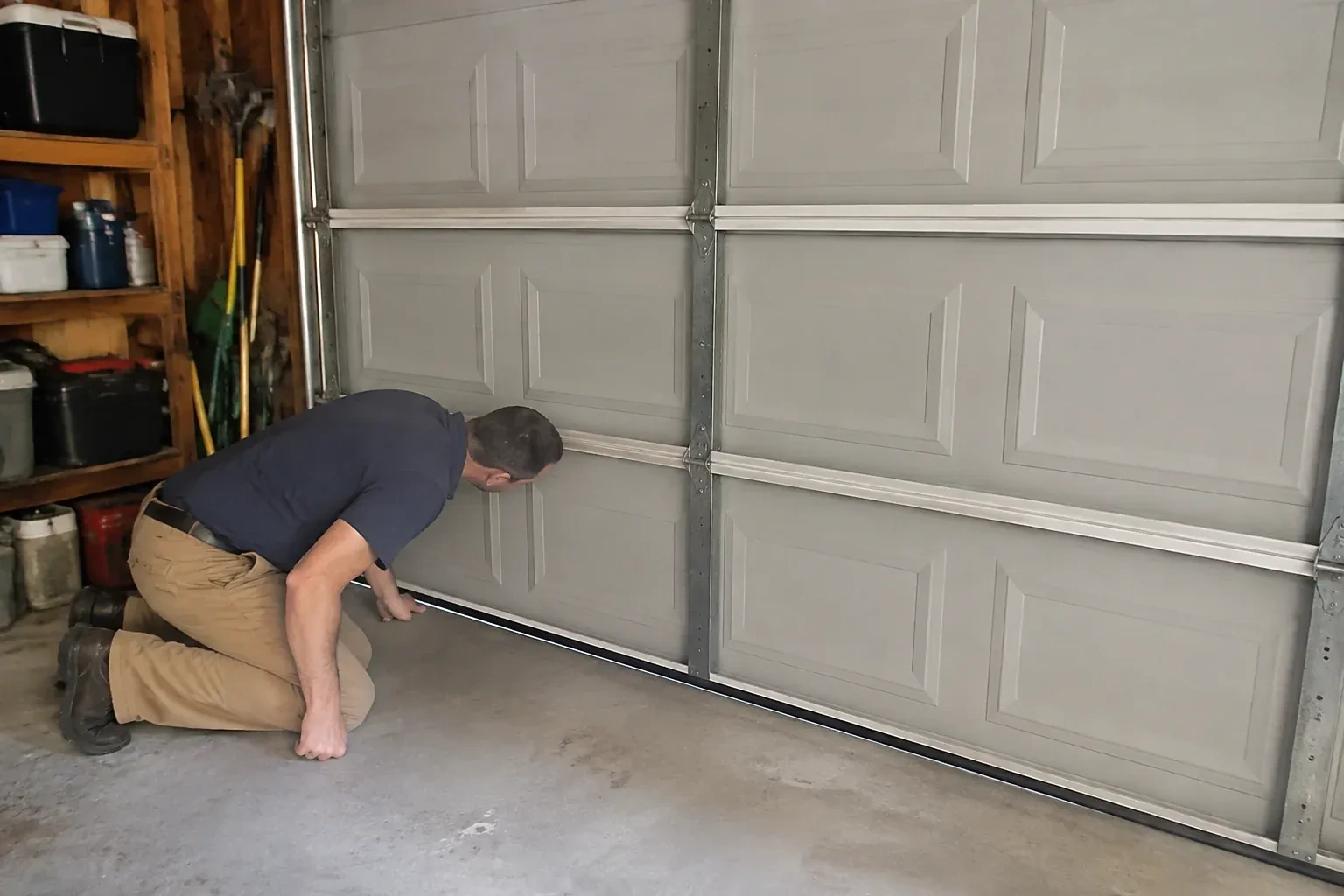
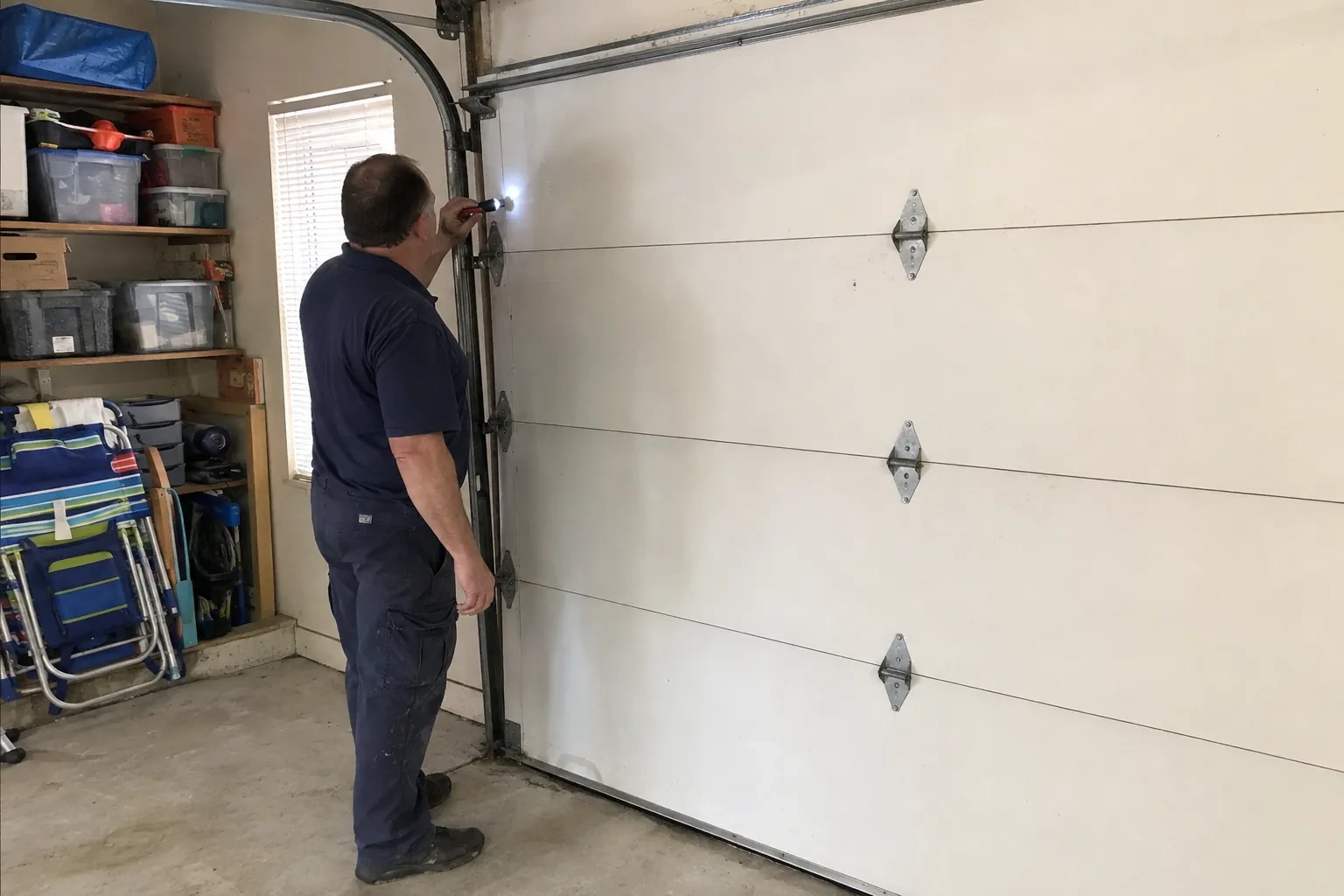
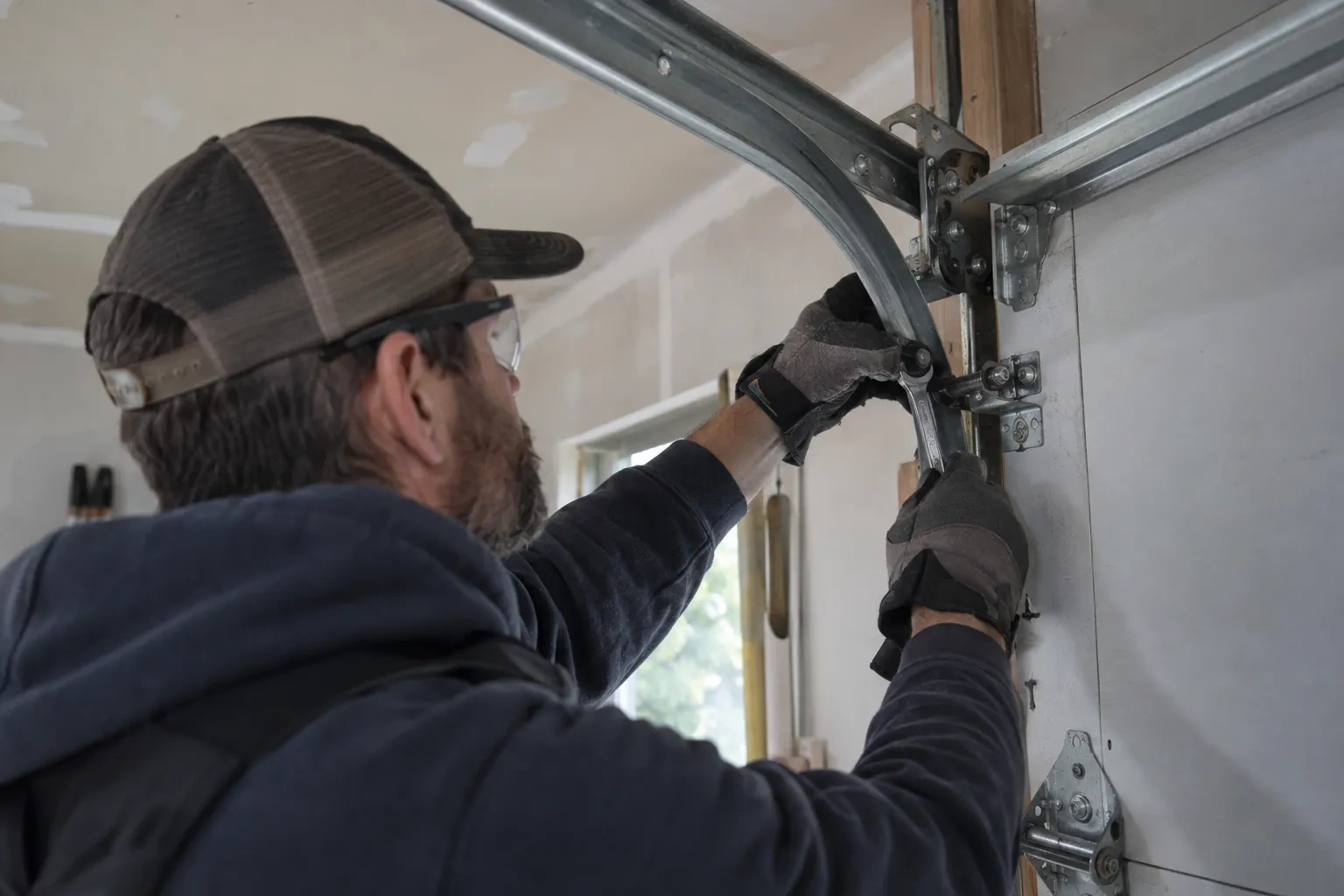
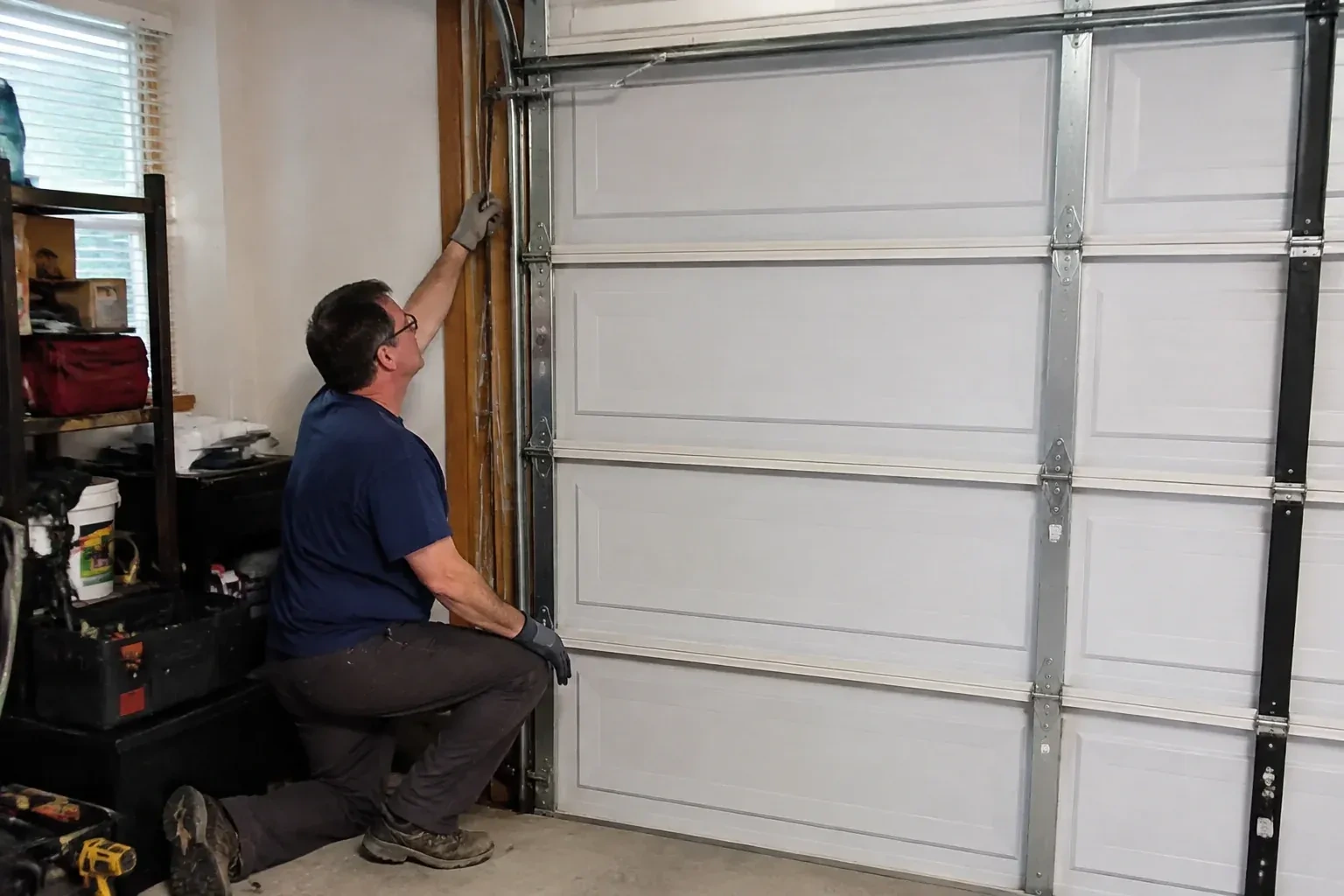
A tune-up is not glamorous: tightening hinges and brackets, lubricating rollers and bearings, resetting spring tension, checking the opener force and travel. Together those steps keep a garage door in Kitchener running for years and catch the one part that would have failed on the coldest morning of the winter.
A tune-up is not glamorous: tightening hinges and brackets, lubricating rollers and bearings, resetting spring tension, checking the opener force and travel. Together those steps keep a garage door in Kitchener running for years and catch the one part that would have failed on the coldest morning of the winter.
Springs, openers and everything between.
Homes and small businesses in Kitchener deal with the same few people from first call to finished job. The person who assesses the door is the one who repairs it, so nothing gets lost between a sales visit and an installation crew, and the reasoning behind every recommendation is available to you directly.
Garage doors in Kitchener range from original wooden doors on the older streets to insulated steel sectionals on the newer ones, and each style wears in its own way. Our technicians have worked on most of them. We repair springs, cables, rollers, tracks and openers, install new doors and openers, and take the time to explain the choices plainly.
32years in business
24/7open every day
Explanation before action. You will know what is worn, why it failed and what the options are before a single bolt is turned. Questions are welcome at every step.
A tidy garage. Drop cloths where needed, old parts bagged, floor swept. We leave the space as we found it, only with a working door.
Choices, not pressure. If a repair will do, we say so. If a replacement makes more sense, we explain why and let you decide.
Request a tune-up for your garage door in Kitchener.
Everything we do for garage doors in Kitchener starts with a proper look at the whole door. From there the service might be a small adjustment, a set of new rollers, a spring replacement, an opener repair or a new door. The pages here explain each option so you can follow the reasoning.
About 49% of homes in Kitchener were built in 1980 or earlier, according to the 2021 Census.
Where homes of different ages sit together, the common thread is that every door eventually needs springs, rollers, seals and a balance check. What differs is the spring type and the size, so the technician measures and matches rather than fitting a standard part.
Single-detached houses make up about 48% of homes in Kitchener (2021 Census).
A blend of housing means a blend of garages: spacious attached garages with full headroom on the detached lots, and tight tandem garages with little side room in the attached units. Openers, tracks and springs are all sized at the door rather than assumed from the street.
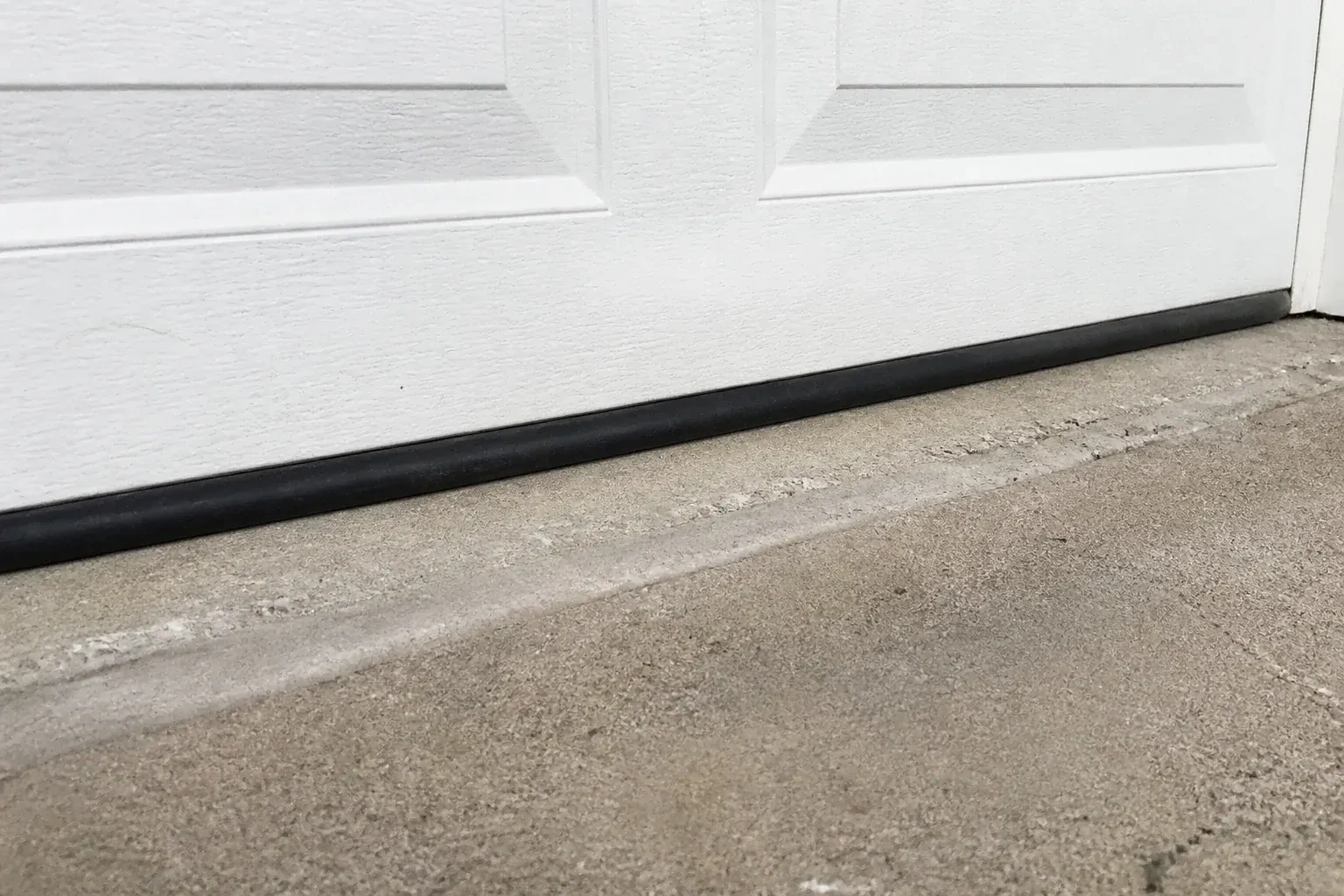
On windy nights the door rattles in its frame, there is a line of daylight along one side, and the bottom seal has gone hard and flat. Leaves and fine snow drift in underneath and the garage never seems to hold its temperature.
You tapped the door with the bumper while backing in, barely a nudge, and now the bottom corner has swung inward. One roller is dangling outside the rail, the section is twisted, and the door will neither rise nor settle flat.
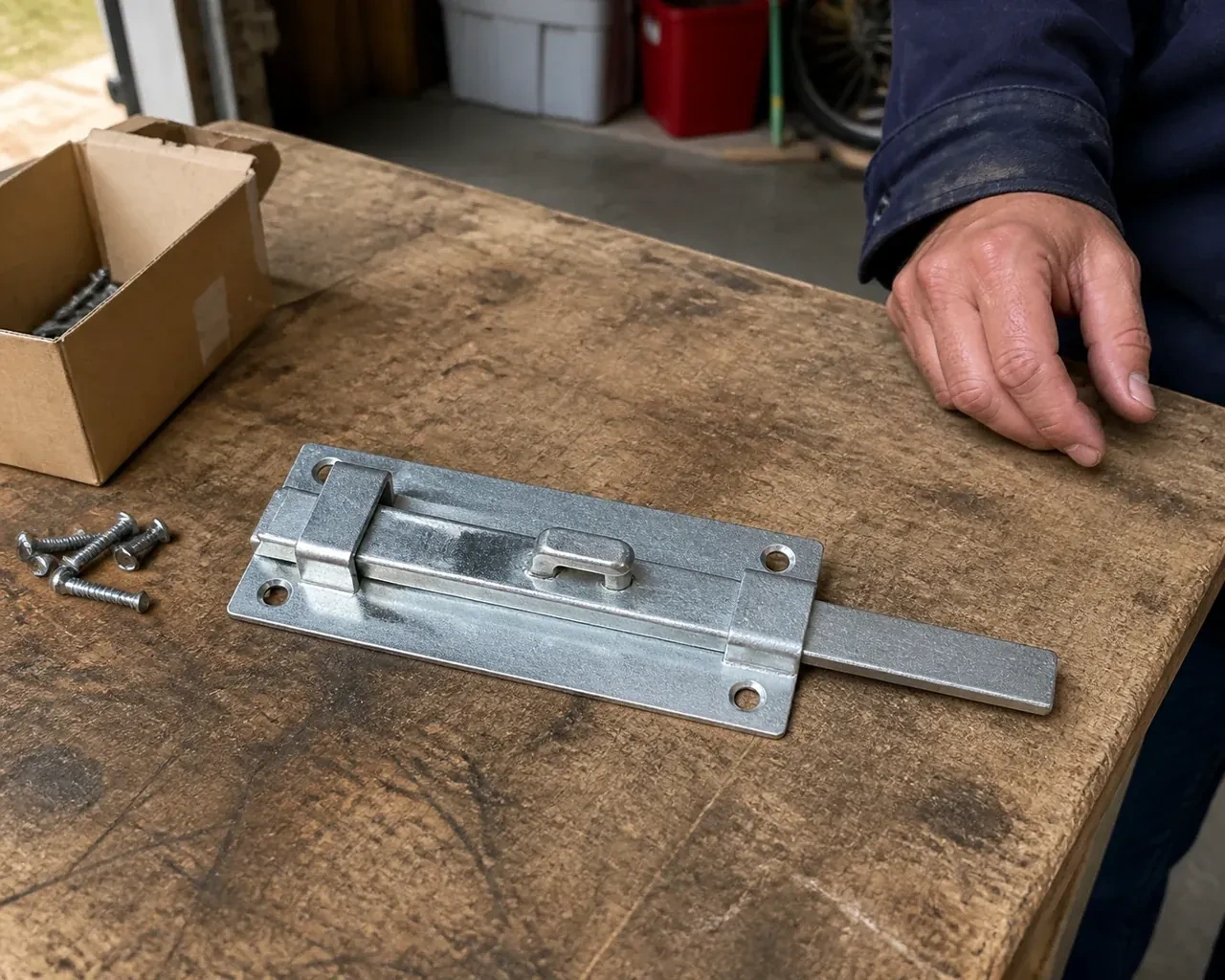
On the old wooden door out back, one lock bar hangs loose from a rusted guide and the other is bent at an angle, so the handle turns but the door can still be lifted a hand's width from outside.
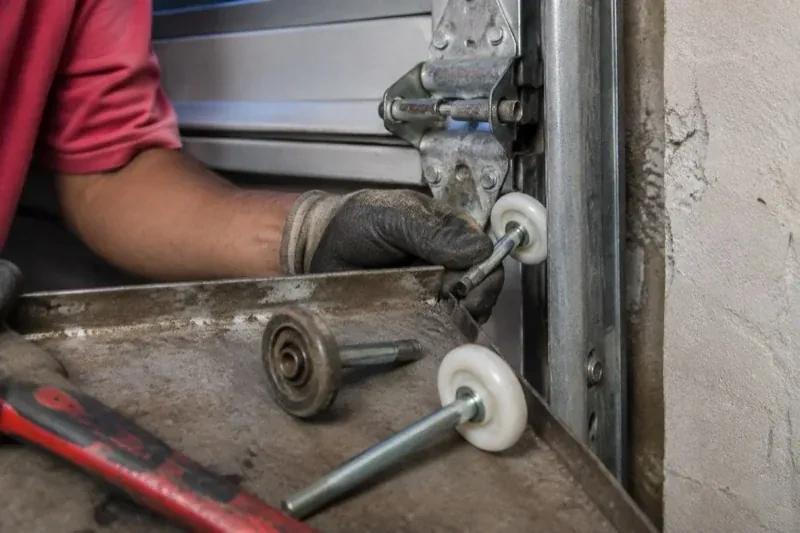
New springs went in last year and the door balances well, yet it still clicks along the ceiling track like a train over rail joints. The wheels are the originals, worn to an oval, and the noise follows them from one end of the travel to the other.
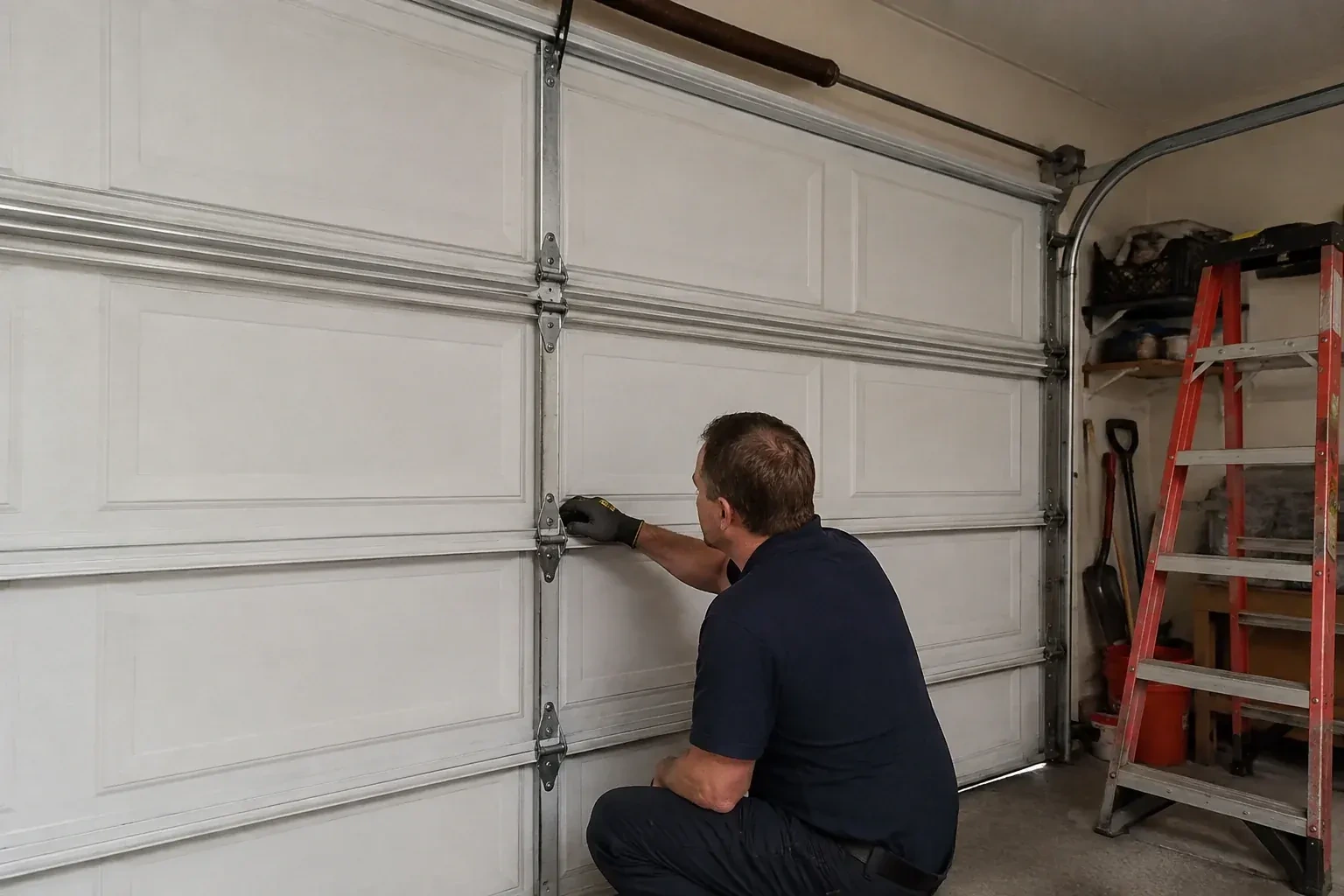
After a cold night the bottom seal had frozen to the slab. The opener strained, something gave, and now one of the upper hinges sits with its leaf bent outward and the panel below it flexes when the door moves.
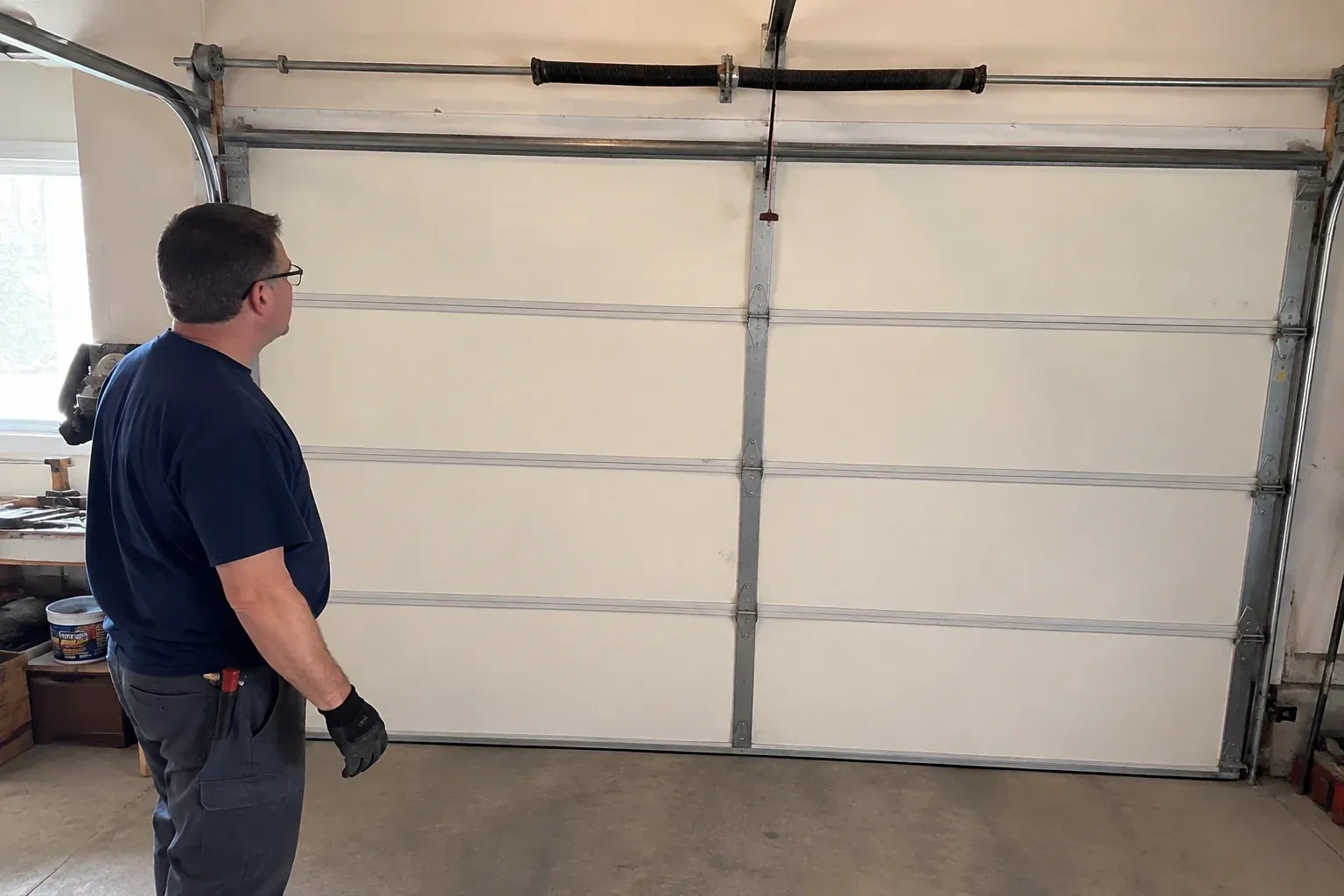
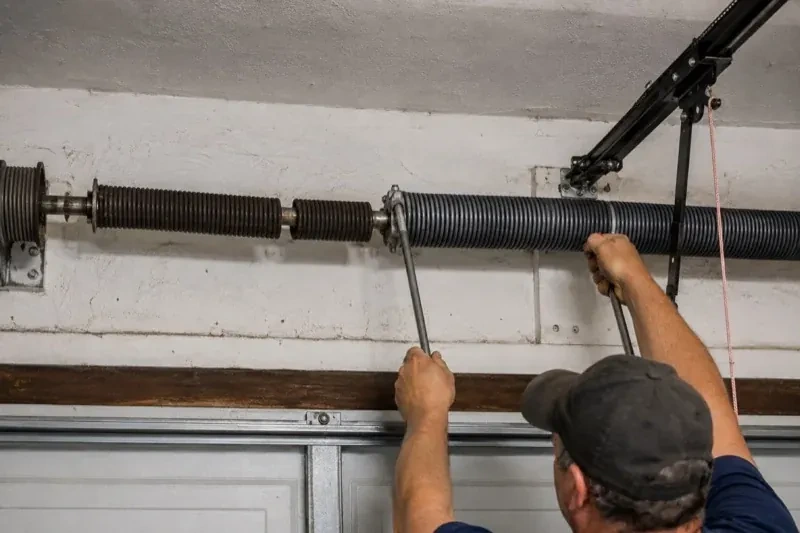
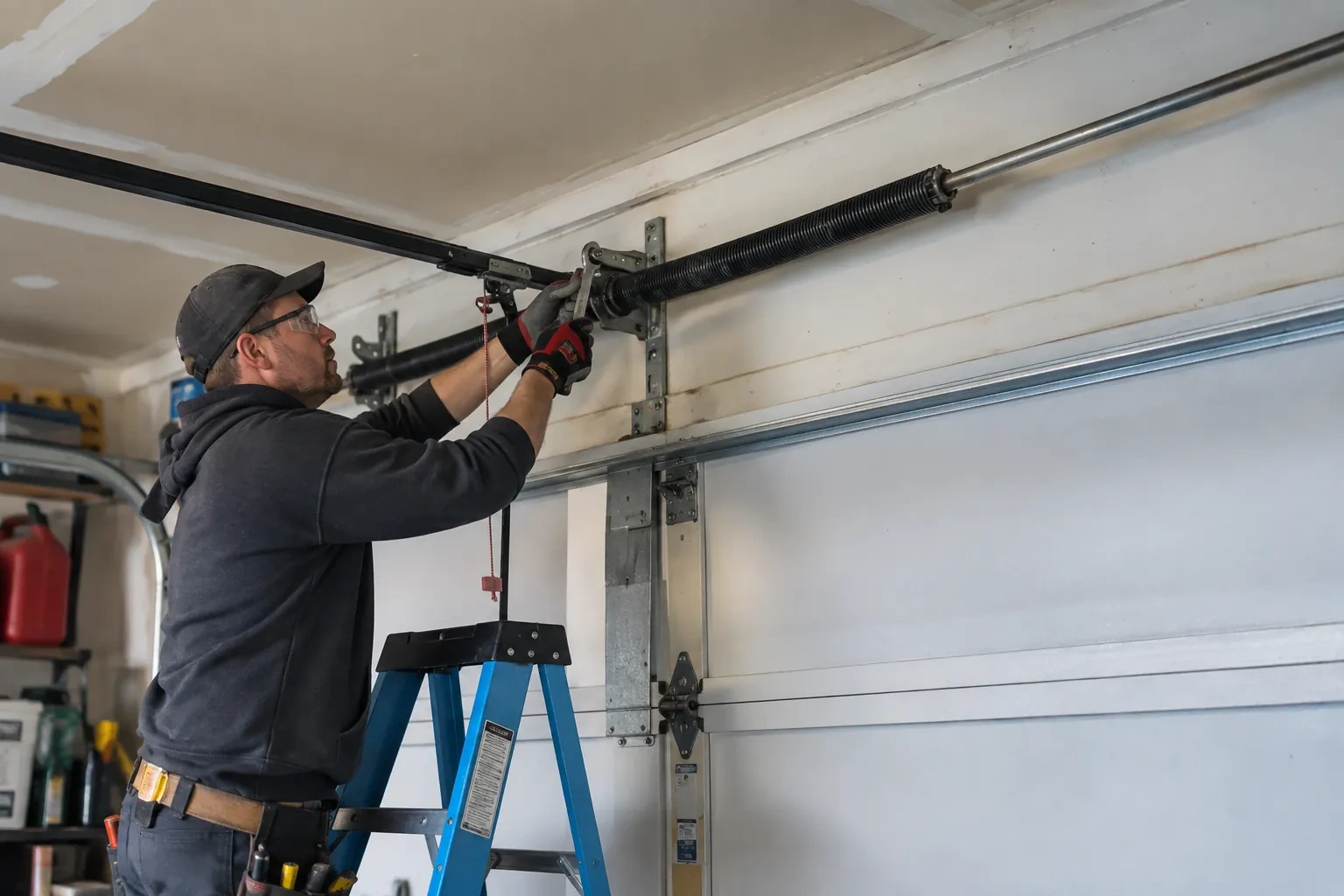
After pulling the red release cord, you tried lifting the door yourself and it would barely leave the floor. A door that used to glide up with one hand now takes real effort, which points to the counterbalance rather than the opener.
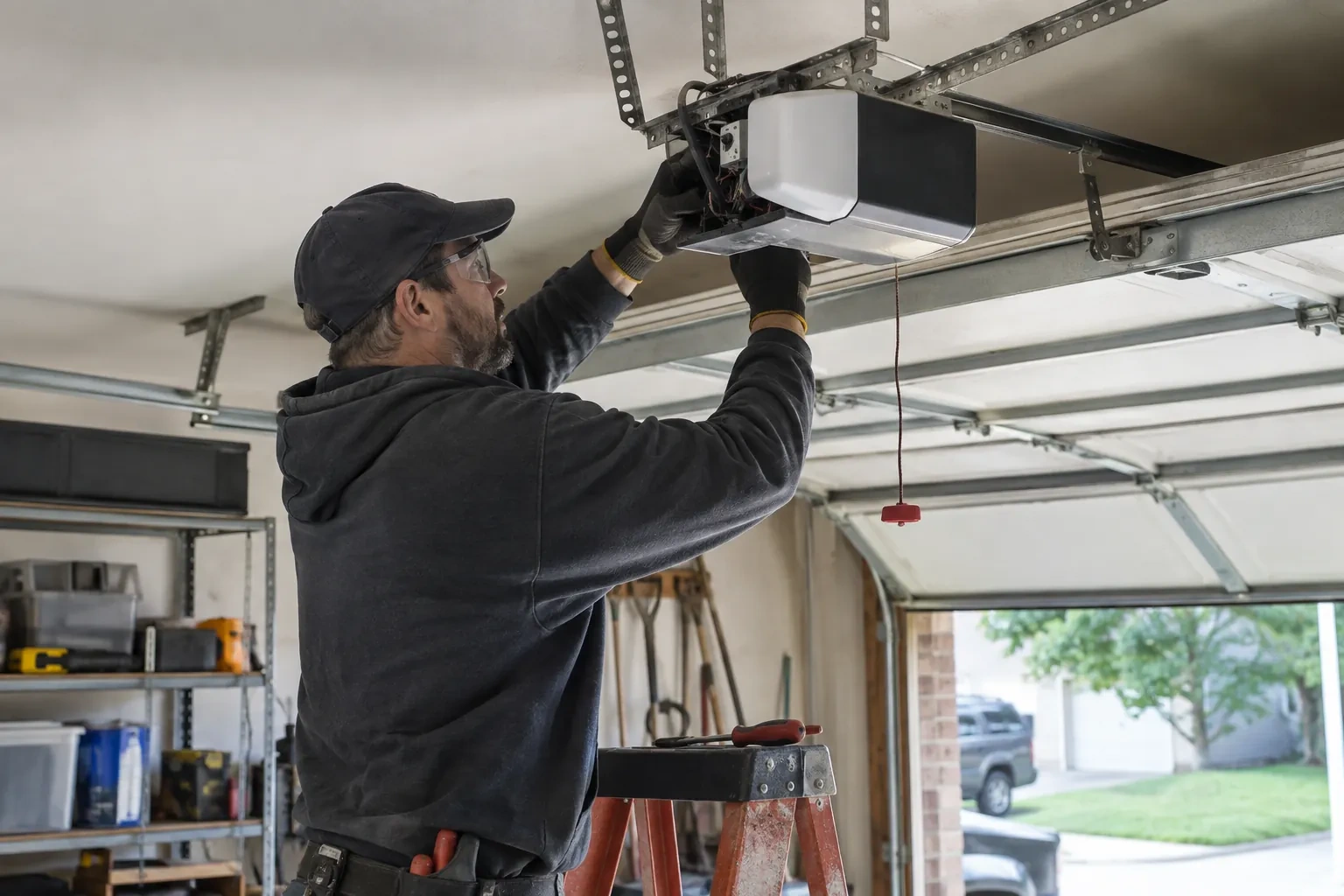
The door will only go down while a finger stays on the wall button; let go and it stops or reverses. From the remote it opens fine but never closes, so someone has to stand in the garage every time.
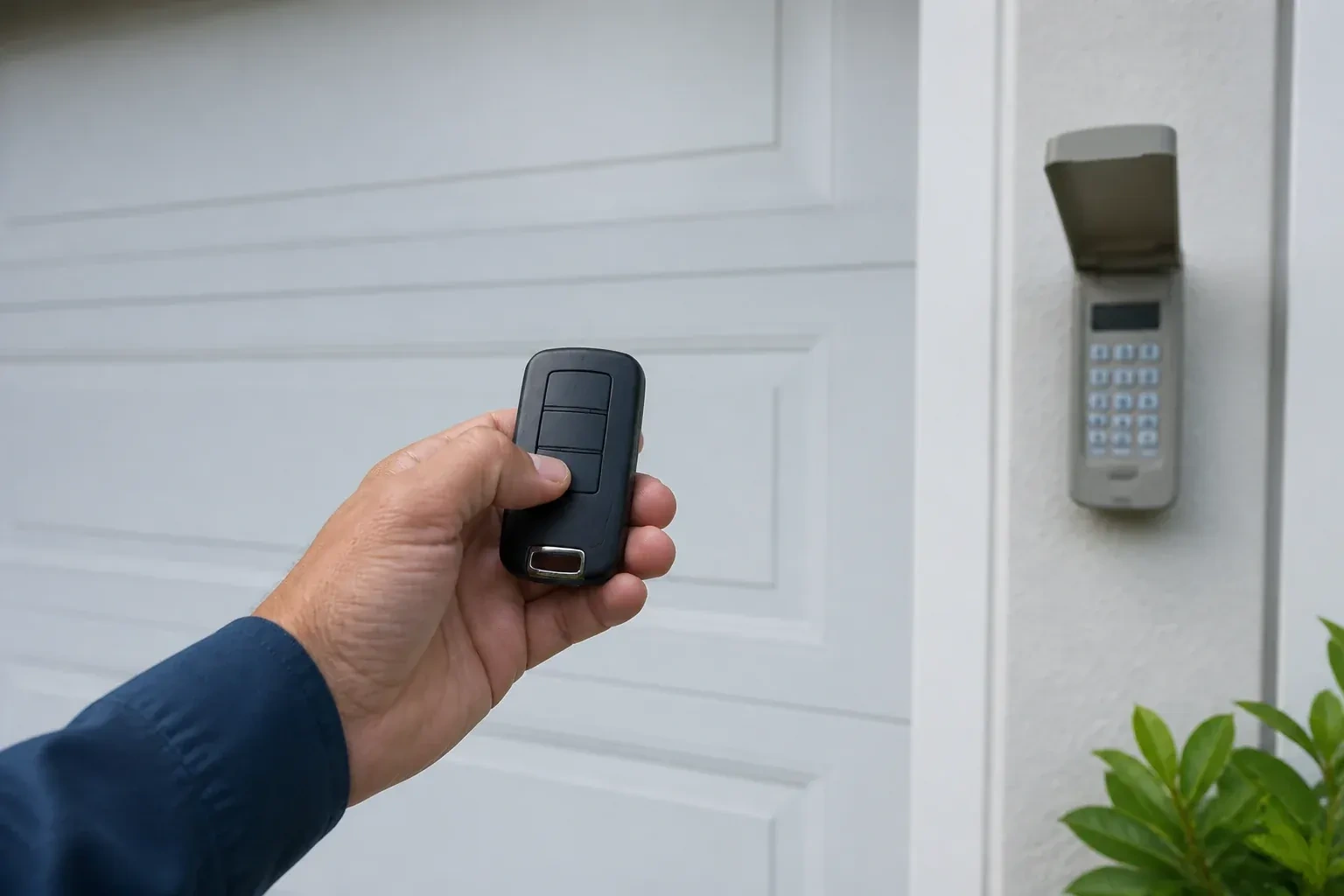
Someone in the family tried to add a remote, held the button on the ceiling unit a little too long, and now every remote in the house is dead at once. The wall control still moves the door. The remotes act as if they were never programmed.
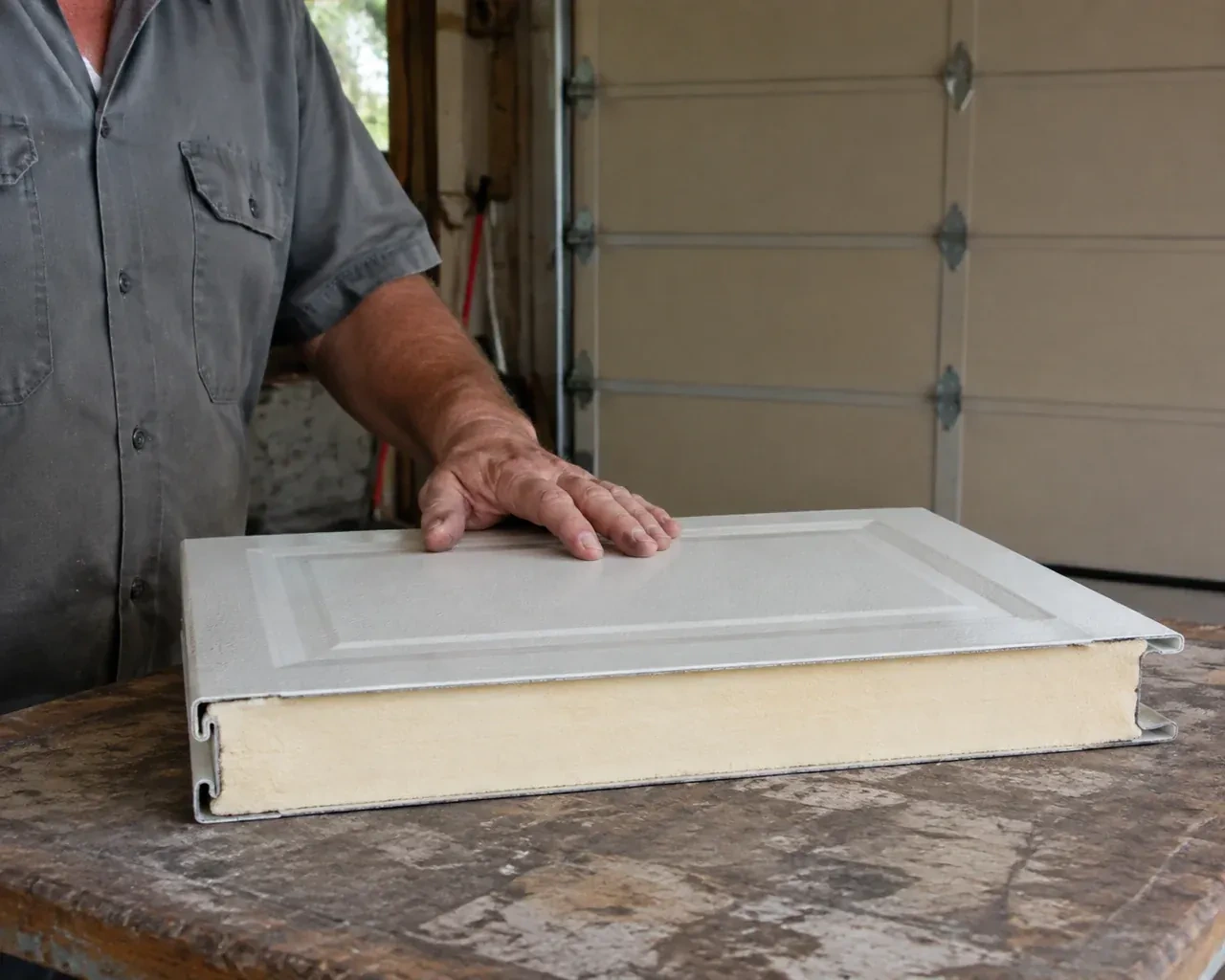
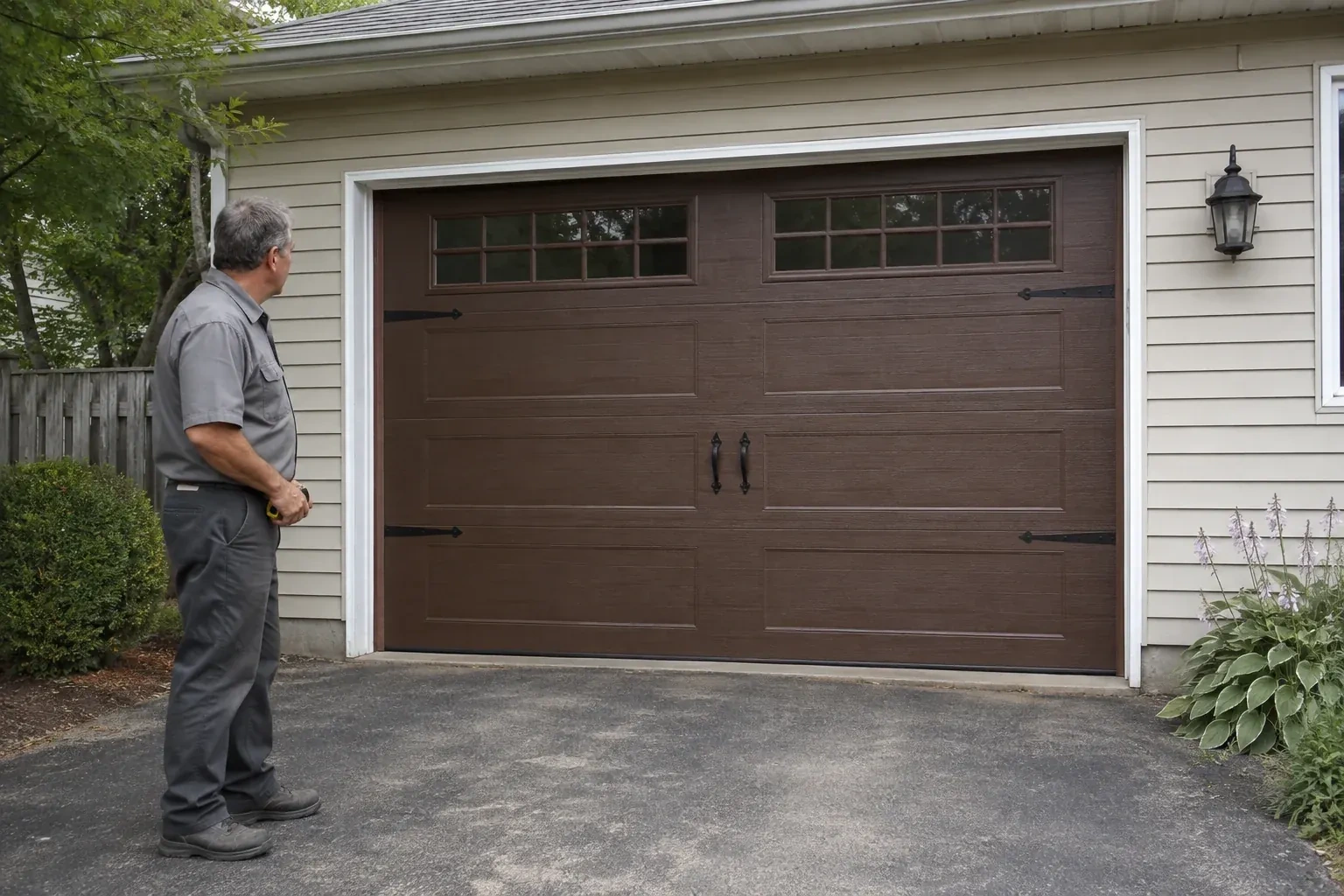
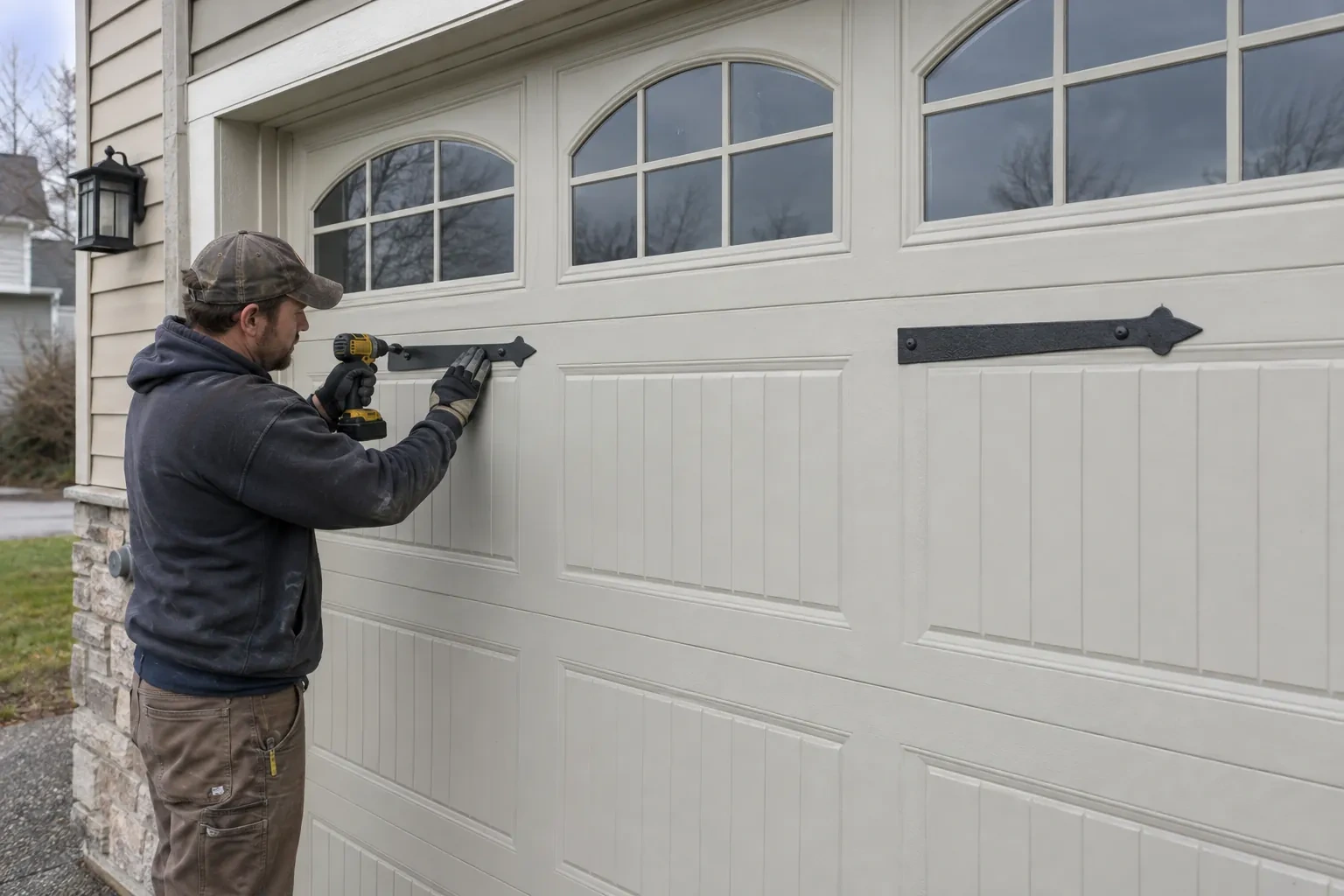
A refreshed exterior has made the faded garage door stand out. You are looking for steel sections, a panel pattern and colour that suit the house while adding practical insulation and smoother everyday operation.
A front elevation update has brought new trim, lighting and a deeper colour palette, leaving the garage door as the remaining piece. Its pattern and finish now need to join the overall composition.
The lift cables are thin steel ropes under constant load. Rust, kinks and broken strands show up at the bottom where they meet the bracket, and a cable that gives way drops one side of the door. Replacing them is routine work for us.
Every morning the door announces itself: a rattle on the way up, a grinding squeal on the way down, loud enough that the neighbours know when you leave.
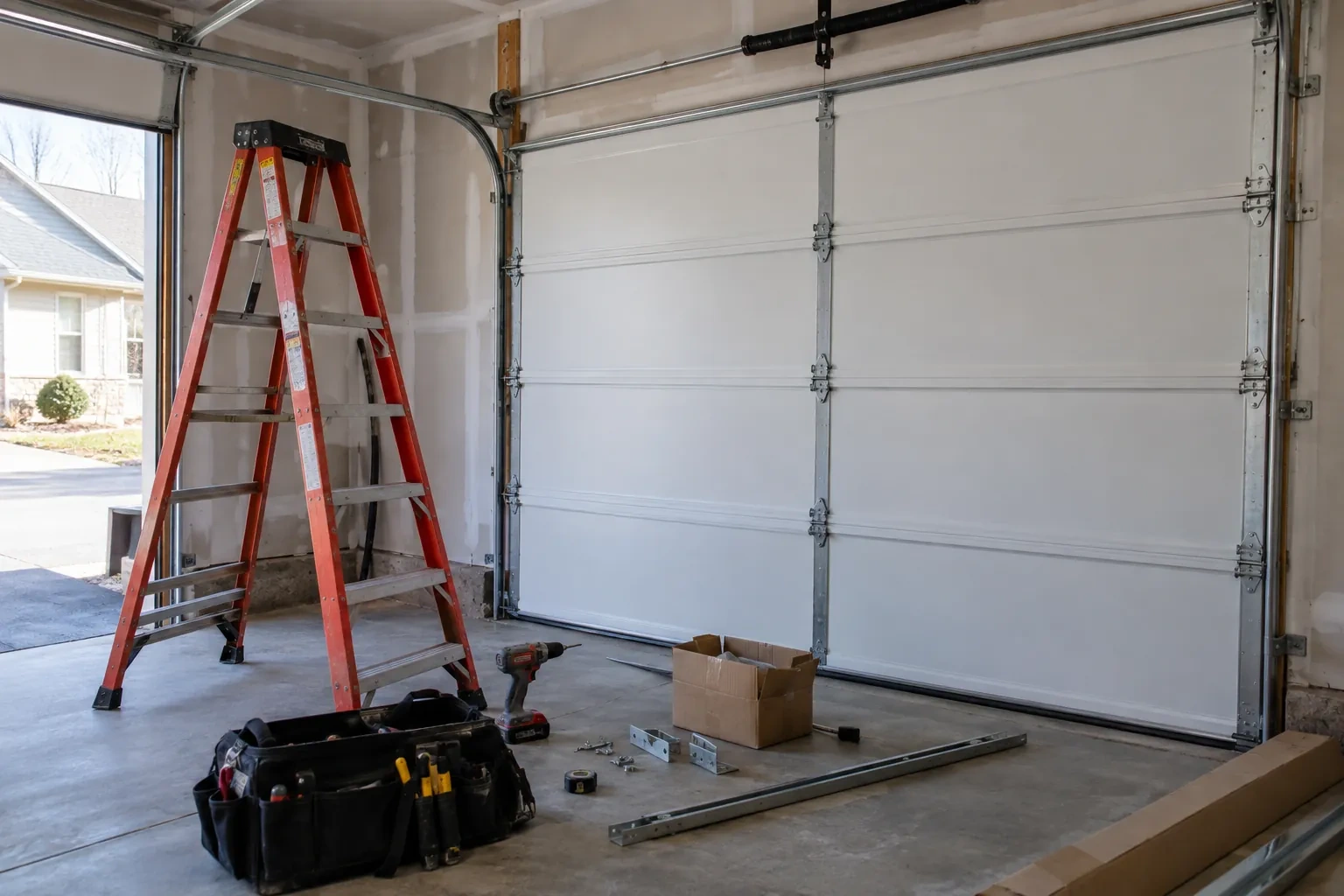
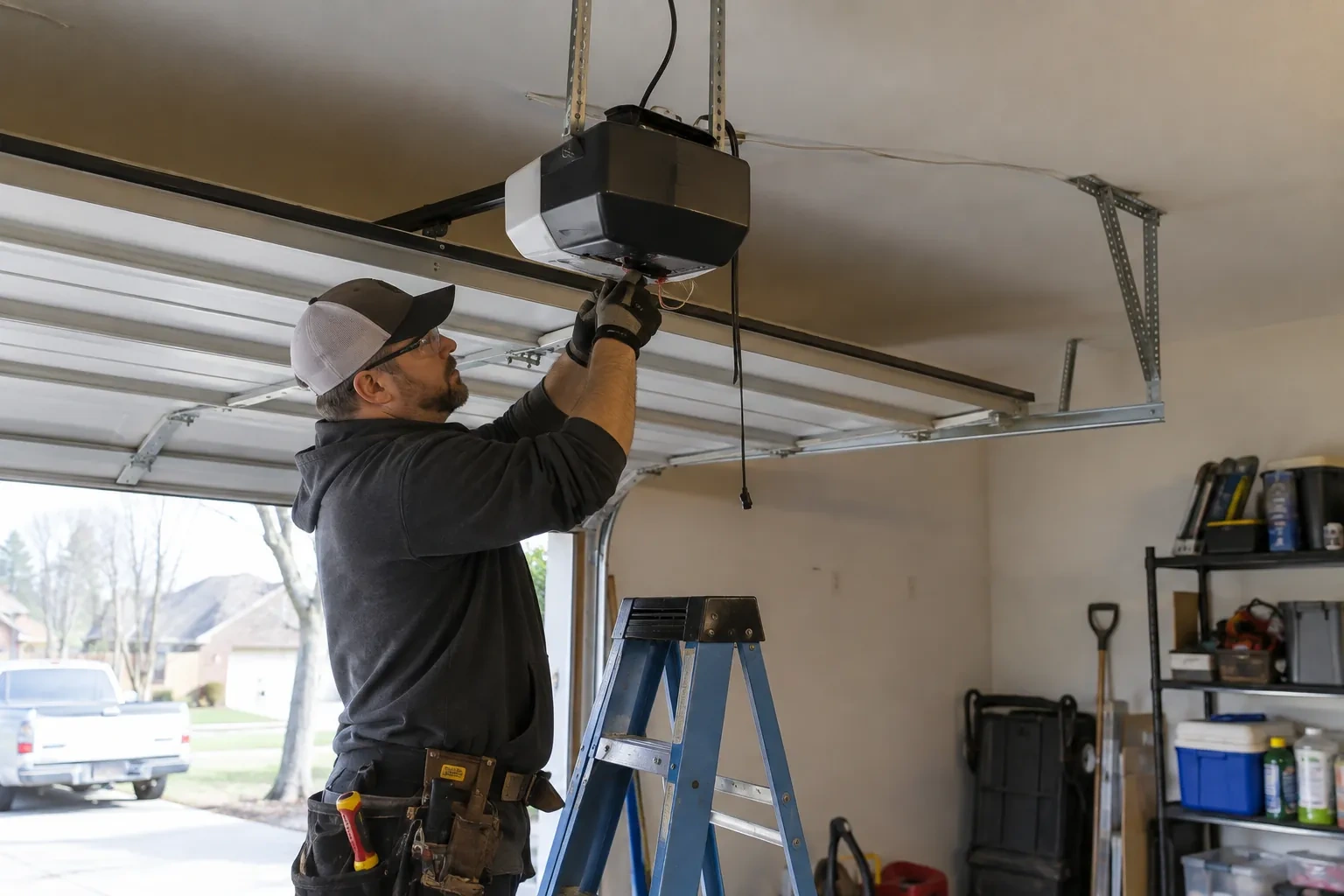
From the first measurement to the final remote programming, the installation and upgrade services are one connected job. We handle the removal of the old door, the fitting of the new one and the hardware that ties it together.
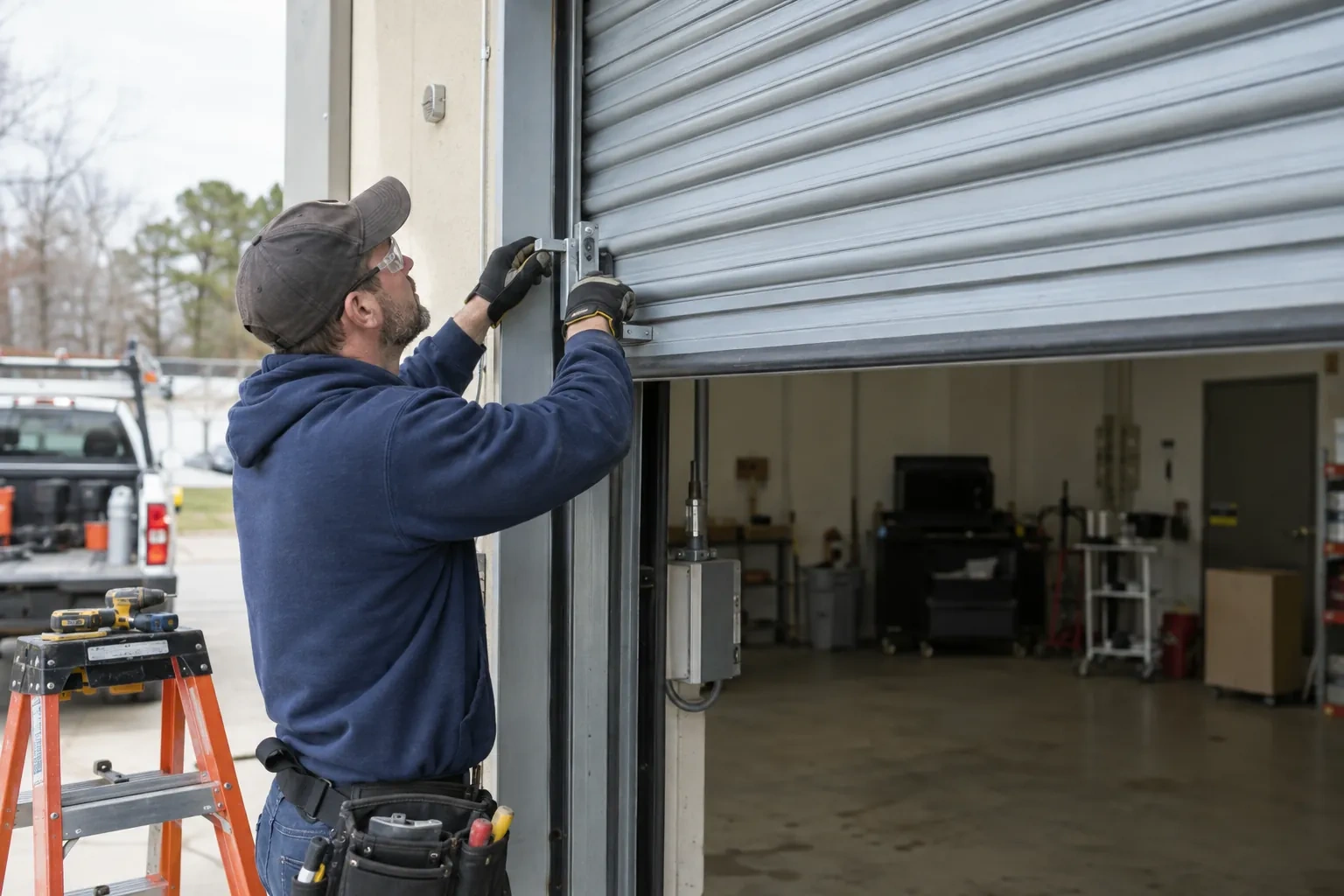
WhyOlder doors and workshop doors tend to come off their tracks for reasons of wear rather than impact.
On the old wooden door out back, one lock bar hangs loose from a rusted guide and the other is bent at an angle, so the handle turns but the door can still be lifted a hand's width from outside.
WhyA spring that breaks with the car inside puts the whole morning on hold, and this service is designed to get that door working again in a single visit.
The door will only go down while a finger stays on the wall button; let go and it stops or reverses.
Once a year suits most attached garages here, ideally in the fall before cold weather thickens lubricant and stiffens seals. Door and opener makers suggest lubrication every three to six months and a homeowner balance check and reversal test every month, so an annual professional visit sits on top of that light routine. A lightly used door in a detached garage may go longer; a heavily used one, or one exposed to salt spray, benefits from a spring check too.
My door has springs along the sides, not above it. Is the reset the same?
The principle is the same but the sequence differs. With side springs the door is first opened all the way and clamped, because that is the position where the springs carry no load; the cables are then checked over their pulleys and evened up at the clips. The technician also checks that a containment cable runs through each spring, which stops a broken spring flying across the garage, and fits one if it is missing.
Can a manual lock be added to a door that never had one?
Yes. An inside slide bolt is the simplest addition: it fixes to the door's edge stile and a slot is punched in the track to receive it. A keyed T-handle can also be added, with a cutout in the centre of a section, a centre mechanism and bars run to both tracks. Where an opener is fitted, the new lock is set up so the two are coordinated from day one.
Are the bottom rollers different from the rest?
The wheels themselves are usually the same, but their home is not. The bottom rollers sit in the bottom brackets, which also anchor the lifting cables and therefore carry the counterbalance load whenever the door is closed. That is why manufacturers put warning labels there and why this position is handled by a trained technician who either exchanges the roller without disturbing the bracket or relieves the spring tension first. It is also the position most exposed to salt and slush, so it is inspected with extra care.
Can I tighten loose hinge screws myself?
Yes, hinge screws are a homeowner task. Disconnect the opener, leave the door closed, and snug each hinge screw with a socket wrench without forcing it, since overtightening strips the hole. Leave the bottom brackets alone; they anchor the cables and are under spring tension. If a screw spins freely or a hinge is cracked, stop there and have it looked at, because a stripped hole needs a fresh anchor rather than more turns.
What is the difference between torsion and extension springs?
Torsion springs mount on a shaft above the door and twist to store energy, lifting the door through cables and drums. Extension springs run alongside the horizontal tracks and stretch as the door closes, pulling it up through pulleys. Torsion systems tend to lift more evenly, take up less space beside the tracks and are the standard on most modern doors. Both are professional service items because of the energy they hold.
How long does a sensor visit take?
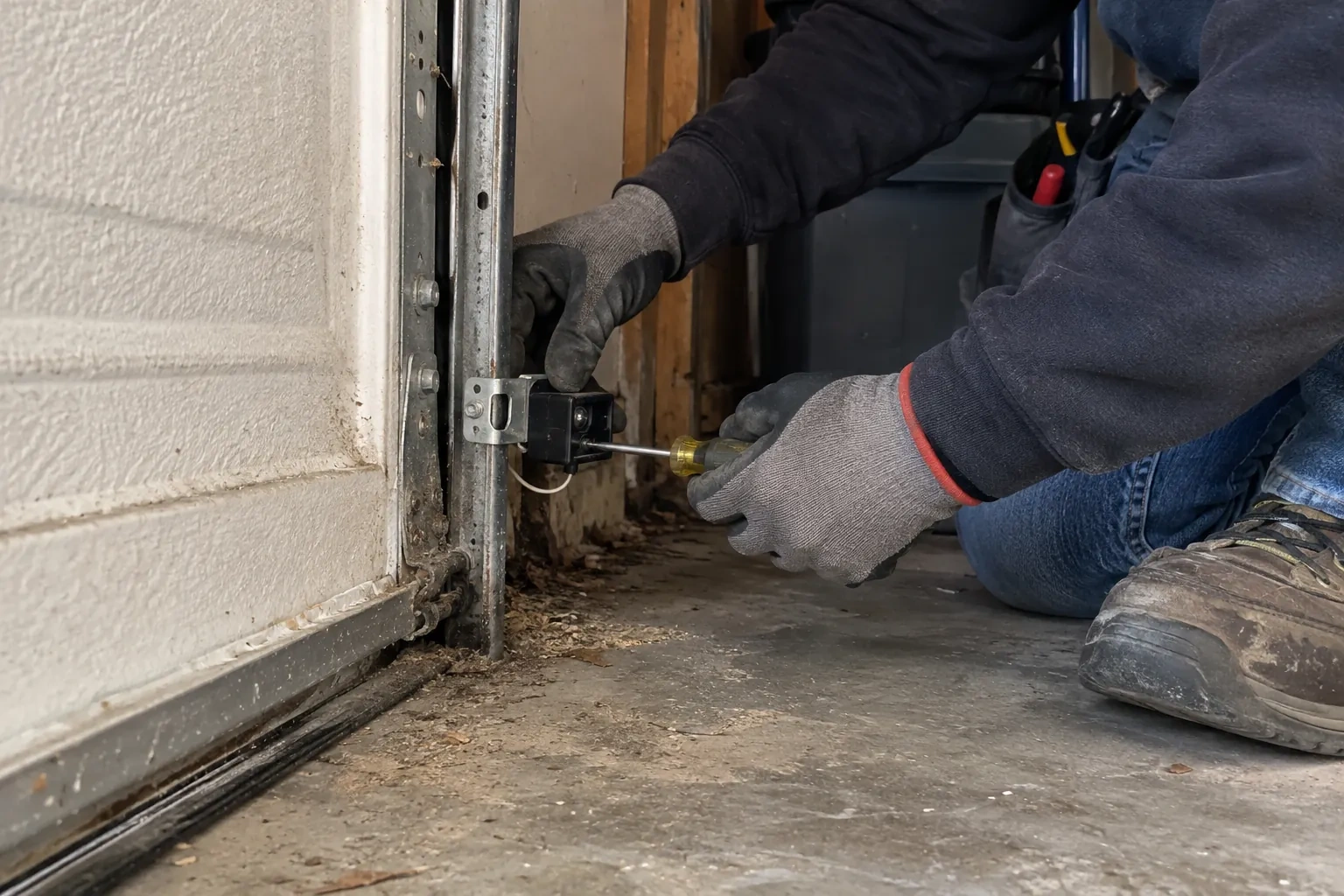
Alignment, cleaning and a bracket adjustment are done inside an hour on most doors, including the two tests at the end. Replacing the pair adds a little for wiring and setup. Re-running the wire all the way from the motor to both sensors is the part that stretches a visit, especially where the wire is behind a finished ceiling or the garage is full. Having the floor by the door clear before arrival helps.
Is the door tested for safety after programming?
Yes, every time. Each new control is operated while the technician watches the door's full travel, then a 2x4 is laid flat under the door and the door must climb back up on touching it, and a broom handle passed through the photo-eye beam during a second close must stop and reverse the door. A remote is a way of moving a heavy door, so the visit ends only when both tests pass.
How are gaps around the sides and top sealed?
Perimeter weather seals are attached at the jambs and header after the door is aligned in its closed position. Their flexible edge makes light contact with the exterior face of the sections. The installer checks continuity at corners and watches the seal during movement, adjusting it to limit visible gaps while keeping friction away from the door's normal travel.
Which materials are used for carriage-house garage doors?
Common choices include embossed steel sections, insulated steel with composite overlays, and wood or wood-faced sectional construction. They differ in weight, surface depth, grain, moisture response and care. Samples are helpful because photographs can flatten texture and alter colour. The chosen construction also guides spring sizing, reinforcement, fasteners and the kind of finish maintenance expected later.
Request a visit
Homes and small businesses in Kitchener deal with the same few people from first call to finished job. The person who assesses the door is the one who repairs it, so nothing gets lost between a sales visit and an installation crew, and the reasoning behind every recommendation is available to you directly.