Openers · Kitchener
Garage Door Opener Diagnosis and Repair
Nothing.
In plain words
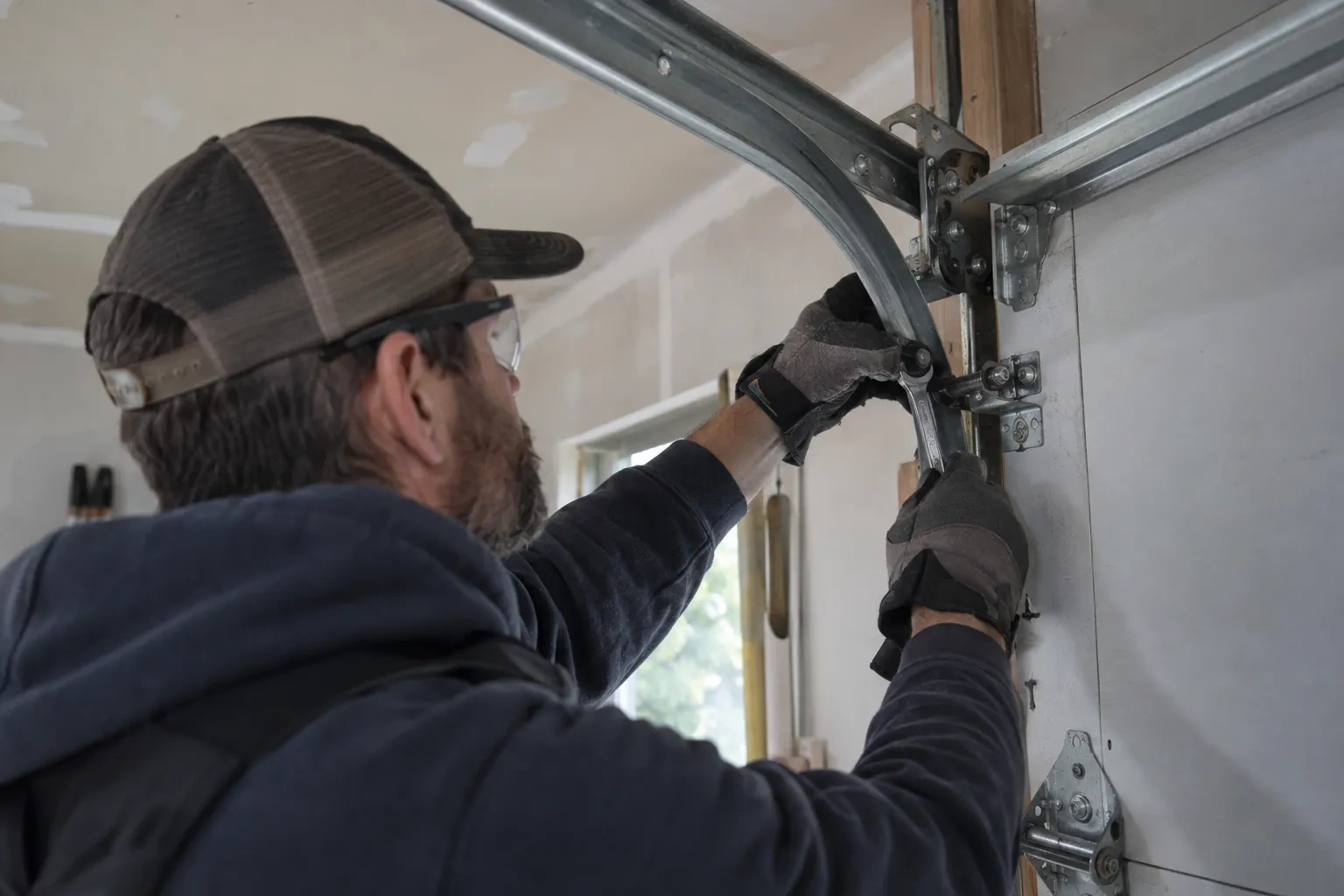
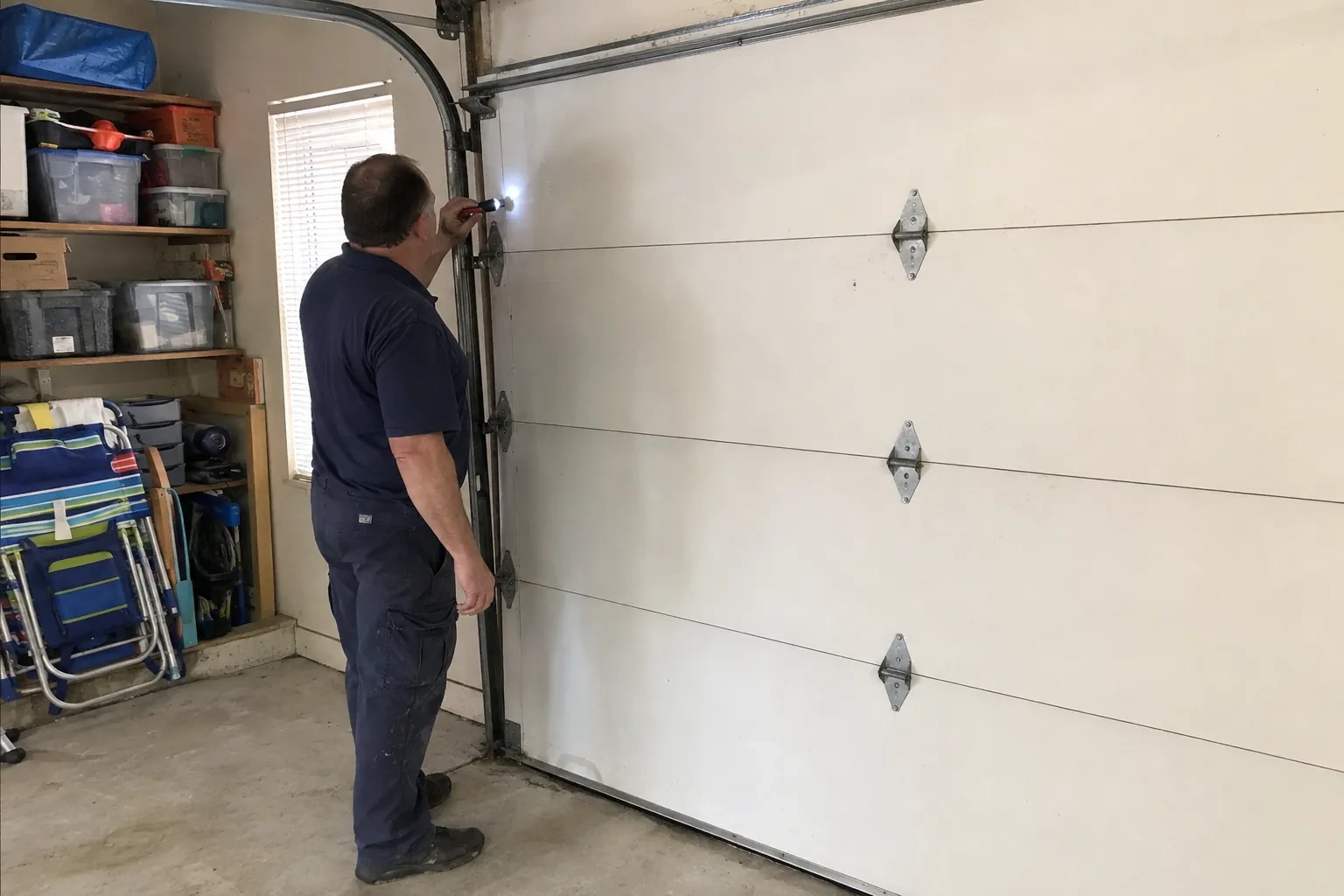
An opener is only half of the machine. The other half is the door: springs balanced so the door weighs almost nothing in your hand, rollers turning in a straight track, hinges holding the panels square. When that half slips out of tune, the opener takes the blame for straining, stalling or reversing, and a bigger motor or a higher force setting only hides the fault. A proper diagnosis disconnects the door from the operator and lifts it by hand before anything else. If it floats to shoulder height and stays there, the opener is the patient. If it drops or fights back, the door is.
How the visit goesFor a few days there was a grinding sound whenever the door started moving. Now the motor spins freely and the door stays exactly where it is. On the hood of the car there is a scatter of white plastic shavings that fell from the unit above.
Garage Door Opener Diagnosis and Repair
How the visit goes
What the blinking lights are saying
Many openers describe their own fault. The head unit flashes its light bulbs, or an up arrow and a down arrow, in a numbered pattern, and some display a code on the wall control. The technician counts the pattern, identifies the exact model from its label, and matches the two on the manufacturer's chart: one family of codes means the sensor circuit is open or obstructed, another means the motor was told to move and nothing turned, another means the door needed more force than the limit allows. The code narrows the search; a hands-on test then confirms it, because a wiring fault can imitate a sensor fault.
Capacitor and motor work
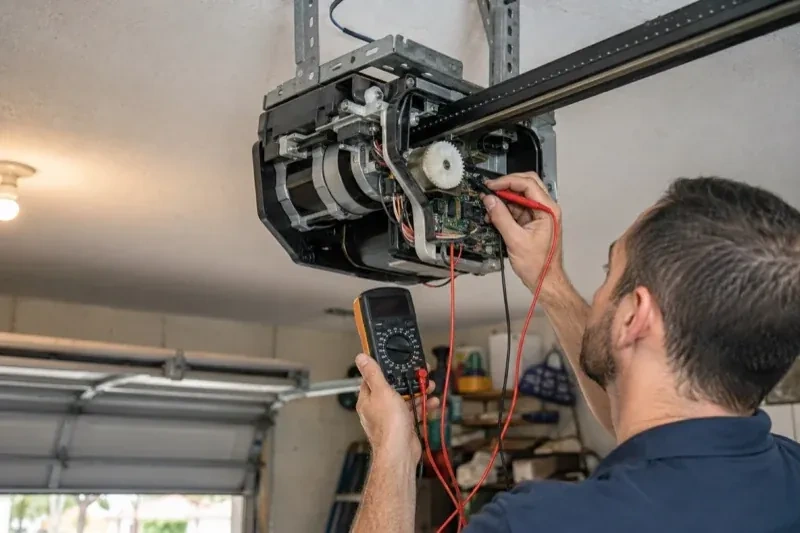
On an AC opener that hums and clicks but never turns, the start capacitor is the first suspect. It is discharged, tested and replaced with one of the same rating, a routine job that returns a dead-sounding opener to normal in many cases. If the motor still fails to turn with a good capacitor, the technician checks for a seized shaft, burnt windings or a failed thermal cut-out, and confirms the motor is not simply being stalled by a locked or bound door. A motor replacement is weighed against the age of the unit and the availability of the part, and that judgement is explained before any decision.
Knowing the red handle
The red cord hanging from the rail is the emergency release, and you now know how to use it properly. Pull it only when the door is closed, so a door that turns out to be unbalanced has nowhere to fall. The door then lifts by hand, useful during an outage. To reconnect, most units re-latch when the opener is run and the trolley meets the carriage, or when the door is lifted until it clicks. The handle should hang no higher than about 1.8 metres and clear of the car. If the door feels heavy when released, that is a spring message, not a test of strength.
Garage Door Opener Diagnosis and Repair
In the van
Remote batteries (coin and cylinder cells)
Photo-eye sensor pair
Garage door lubricant
Logic board or receiver
Wall control
Garage Door Opener Diagnosis and Repair
What affects the quote
Type of drive
Chain, belt, screw, direct-drive and wall-mounted jackshaft openers each have their own parts and their own labour; a gear kit on a chain unit is a different job from a coupler on a screw drive.
Wiring to be re-run
Damaged low-voltage wire to the sensors or the wall control is replaced along its whole length and clipped clear of the track, so the distance and route from head unit to door frame affect the time.
Remotes and keypads
Each remote or keypad to be reprogrammed, re-batteried or replaced is counted individually. Say how many devices you have so the quote reflects all of them.
What to have ready
- How does the door feel when lifted by hand: light, heavy, or does it drift?
- Is the door stuck open or stuck closed right now?
- Did anything happen just before: a power outage, a storm, new bulbs, a bump?
Garage Door Opener Diagnosis and Repair: questions
QuestionsWhy does my garage door open by itself?
A door that opens with nobody pressing anything is usually being told to by a fault in its wiring or a control. A pinched or stapled wire to the wall control can short intermittently and act like a button press; a stuck button on a remote left in a coat pocket does the same; and a neighbour's remote on an old fixed-code opener can occasionally trigger it. The technician isolates each control in turn until the phantom command stops.
My remote only works when I am close to the door. Why?
Short range is almost always interference or a weak signal, not a broken opener. Certain LED bulbs, including ones fitted in the opener's own sockets, emit noise on the frequency remotes use. A remote battery near the end of its life also loses reach before it fails outright. The technician tests range with a known-good remote, swaps bulbs, checks the antenna wire hangs free below the head unit, and replaces the battery or remote as needed.
The motor hums but the door stays put. What is usually wrong?
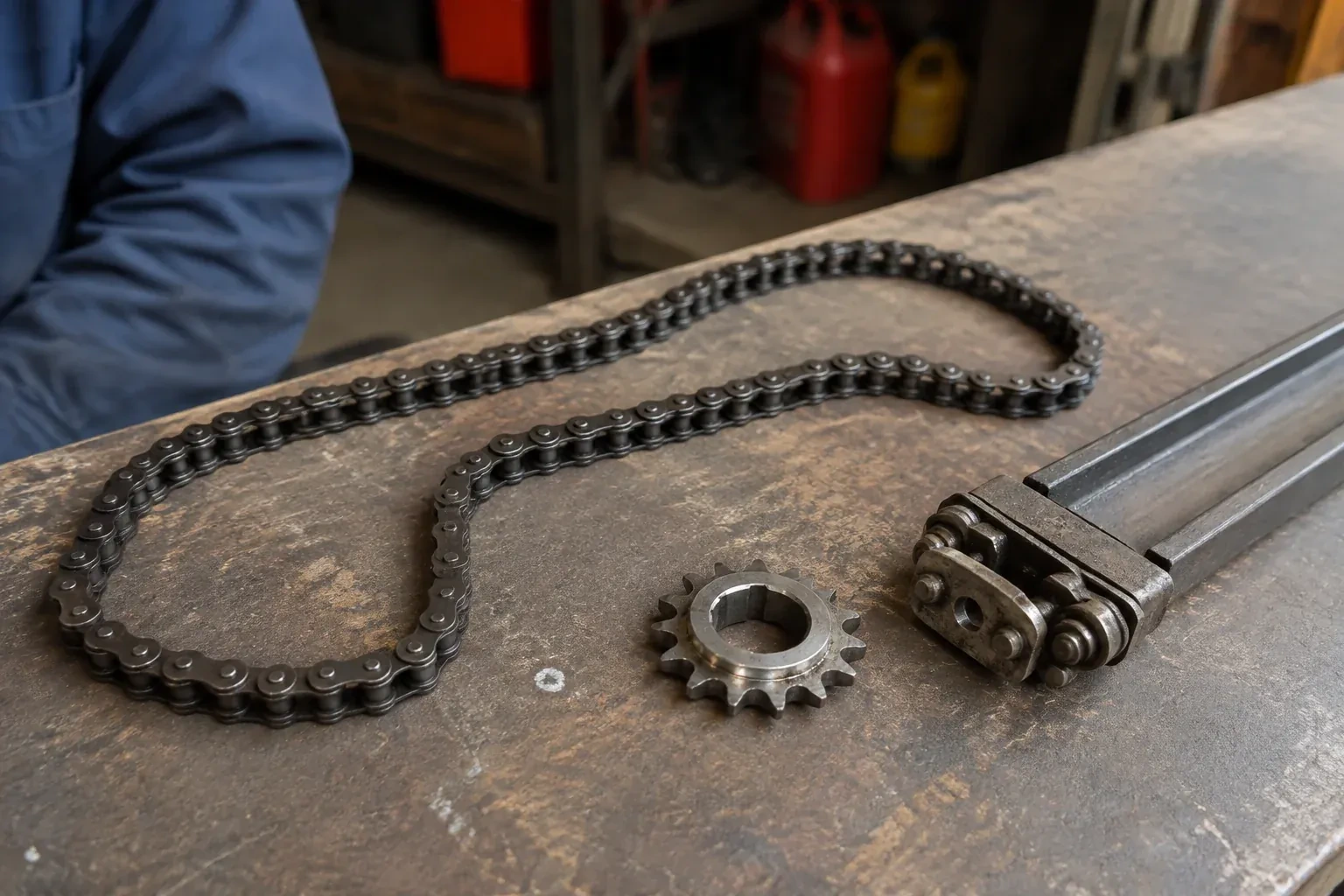
A hum with no movement means the motor is receiving power but something is stopping it turning, or stopping its turn from reaching the door. On AC units a failed start capacitor is the common cause; on chain-drive heads a stripped nylon drive gear is the other. Less often the trolley has simply been released from the carriage. Each of these is a routine repair once identified, and the hum is one of the more helpful sounds an opener makes.
Related services
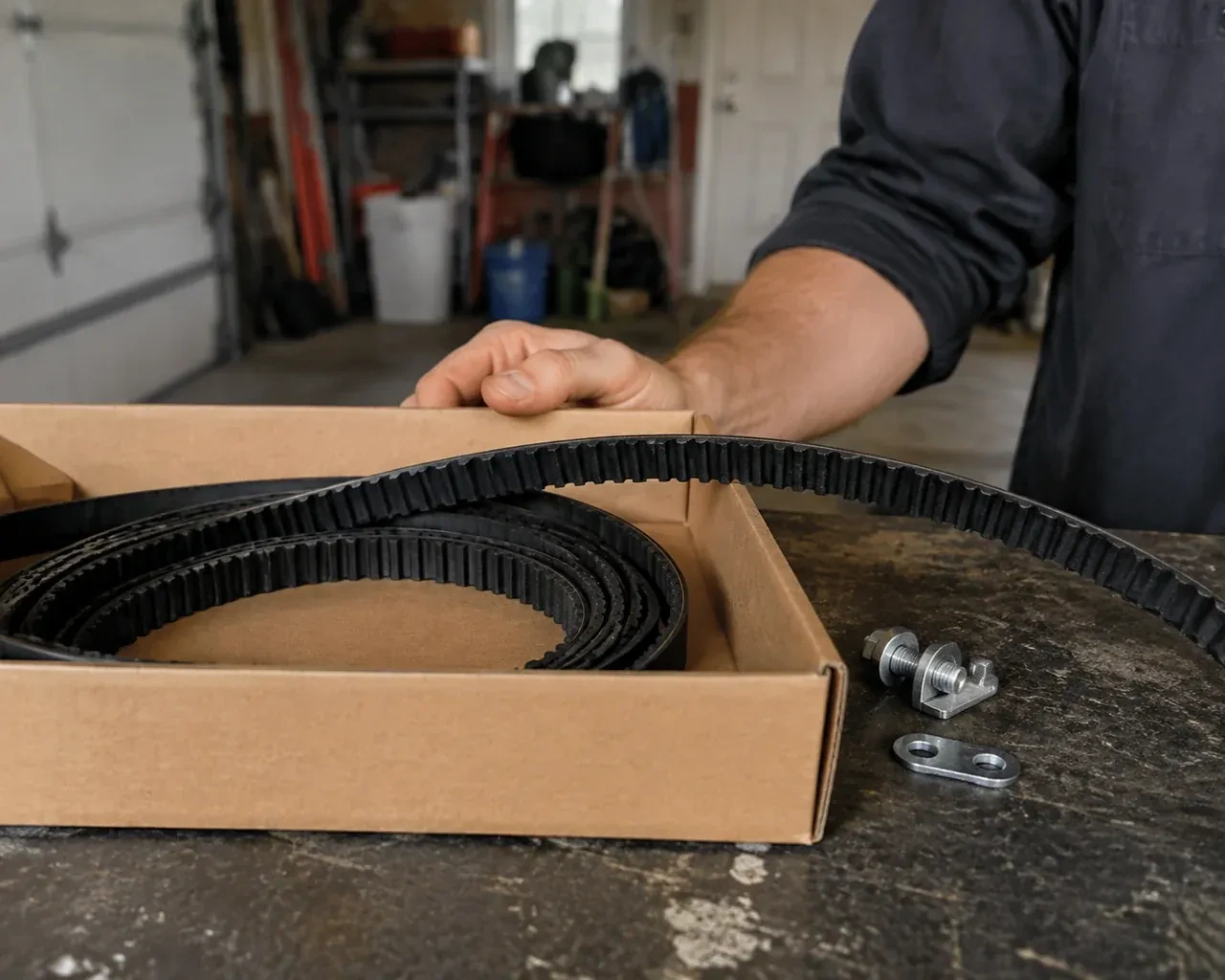
- Belt-Drive Opener RepairAfter the power came back you pulled the red cord to get the car out.
- Garage Door Opener ReplacementPress the button and the motor hums, but the door stays exactly where it is.
- Photo-Eye Sensor Alignment or ReplacementAfter a cold night the door stays open until the garage warms up.