Garage Doors in Centreville, OntarioThe whole door,not just the loud part.
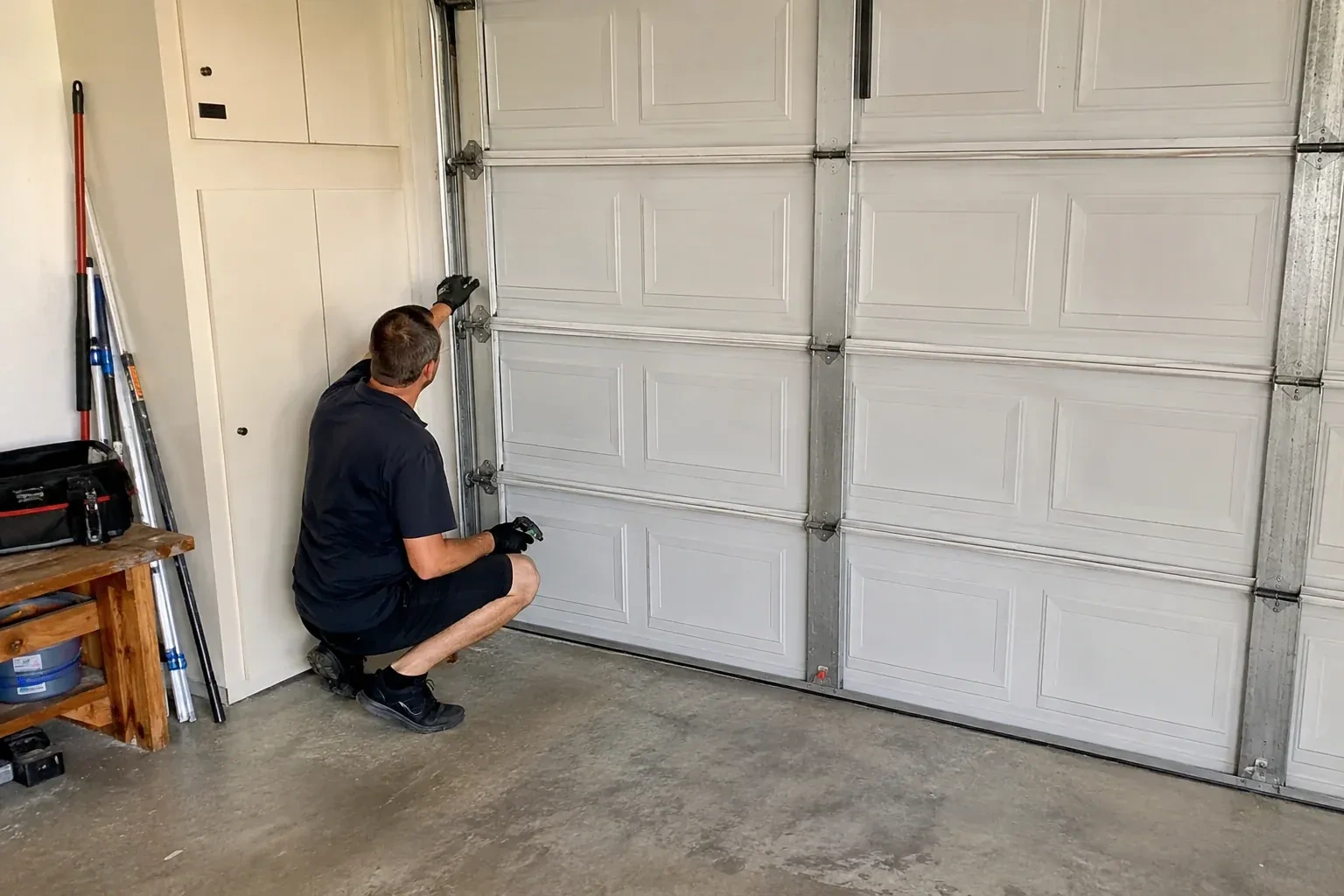
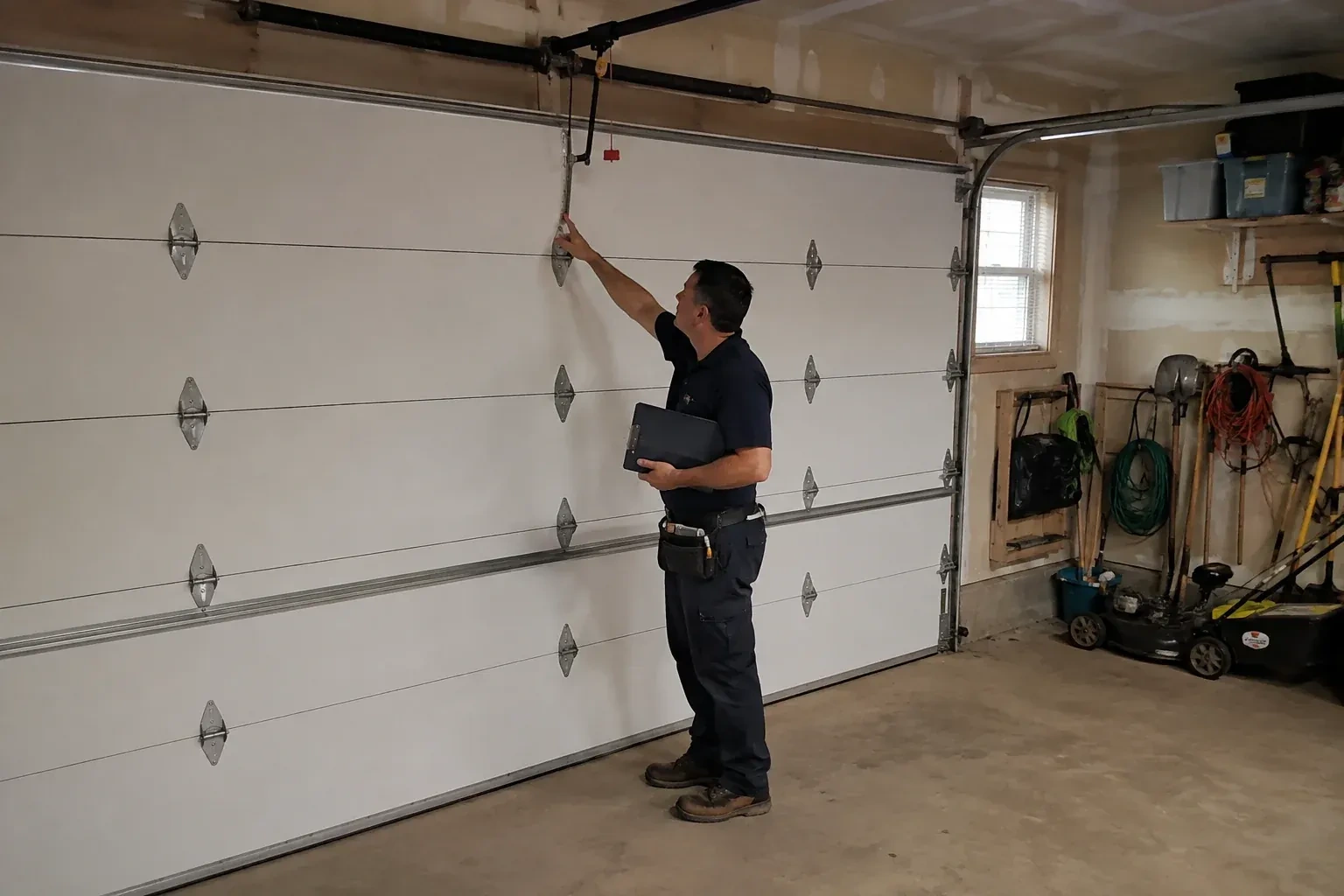
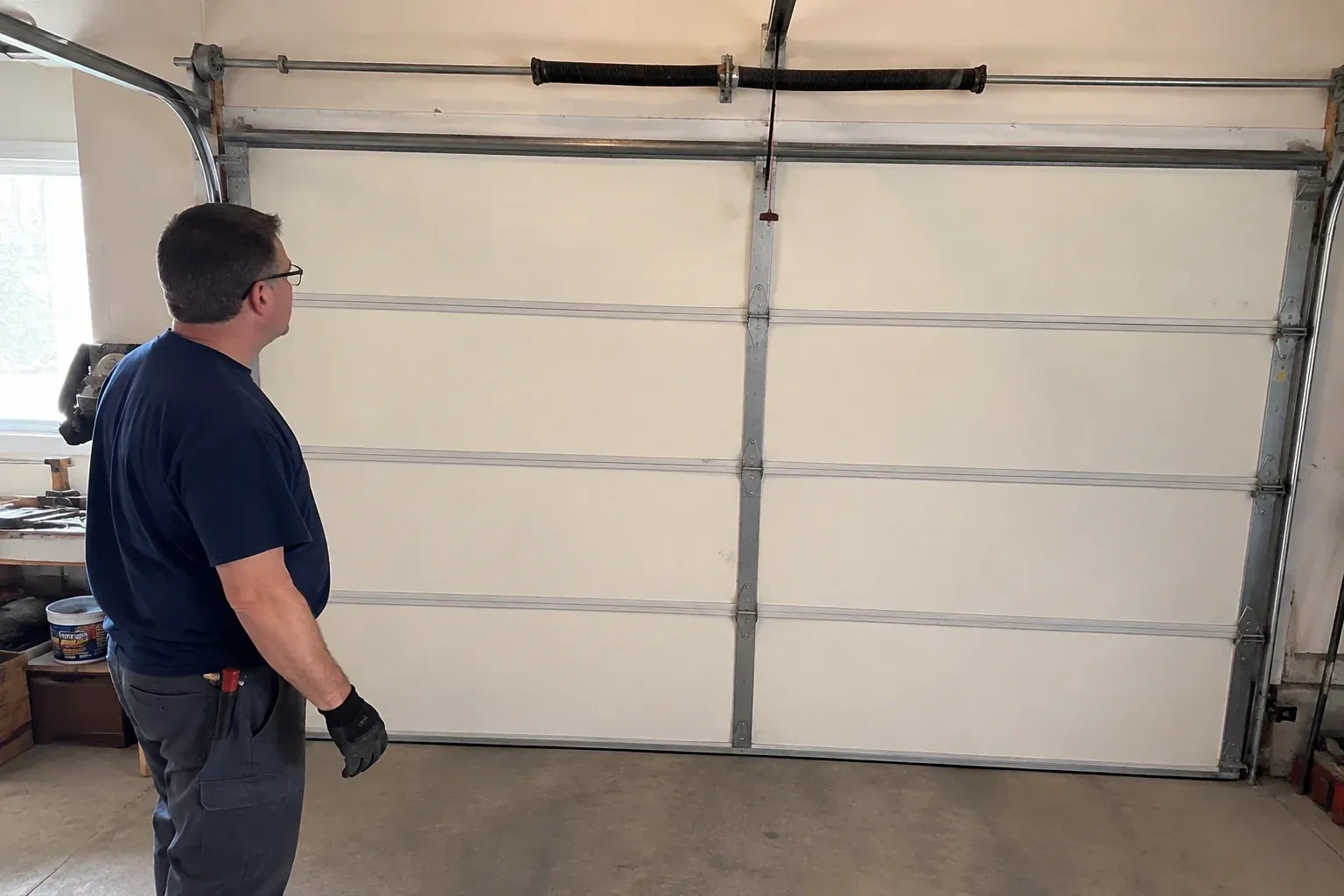
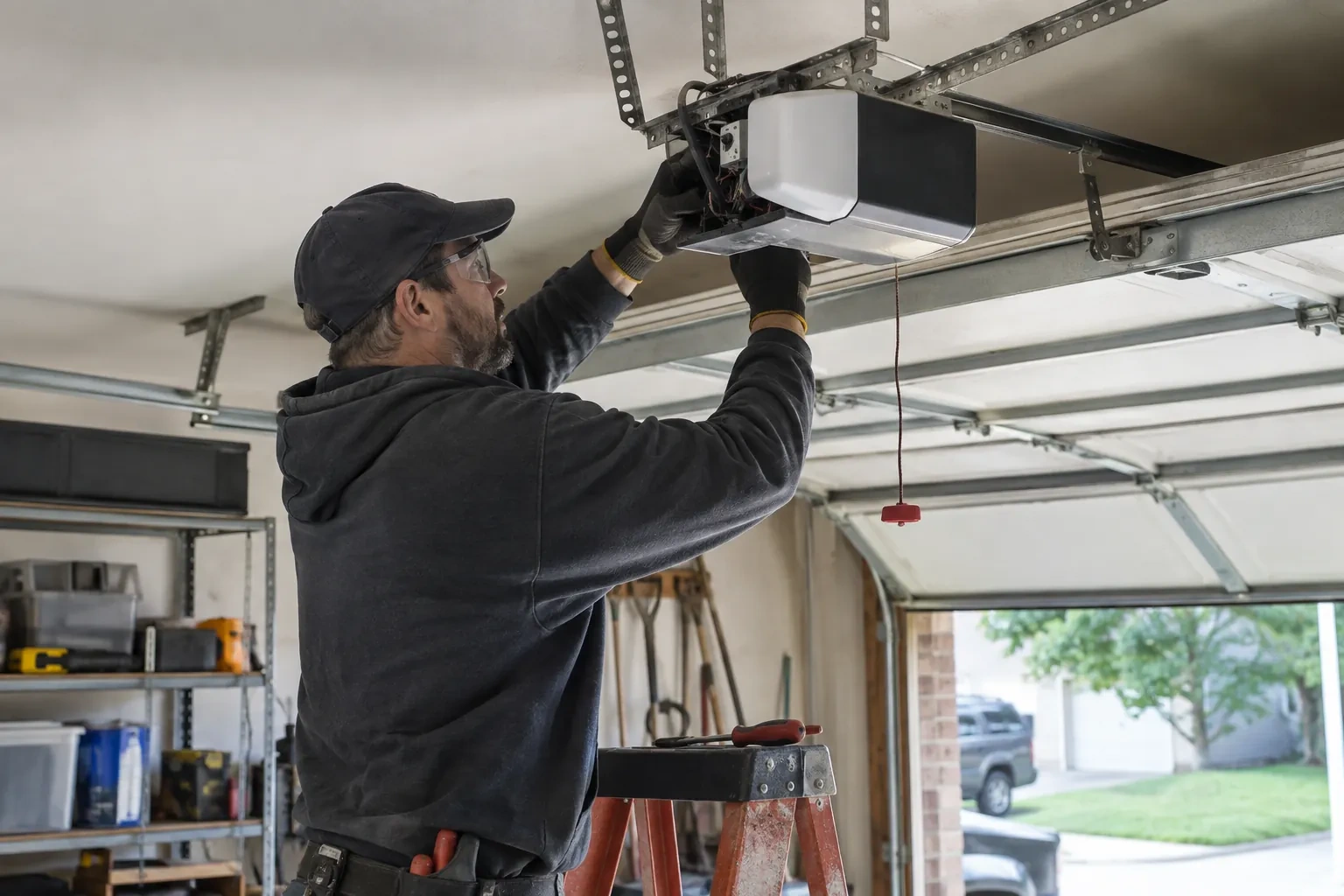
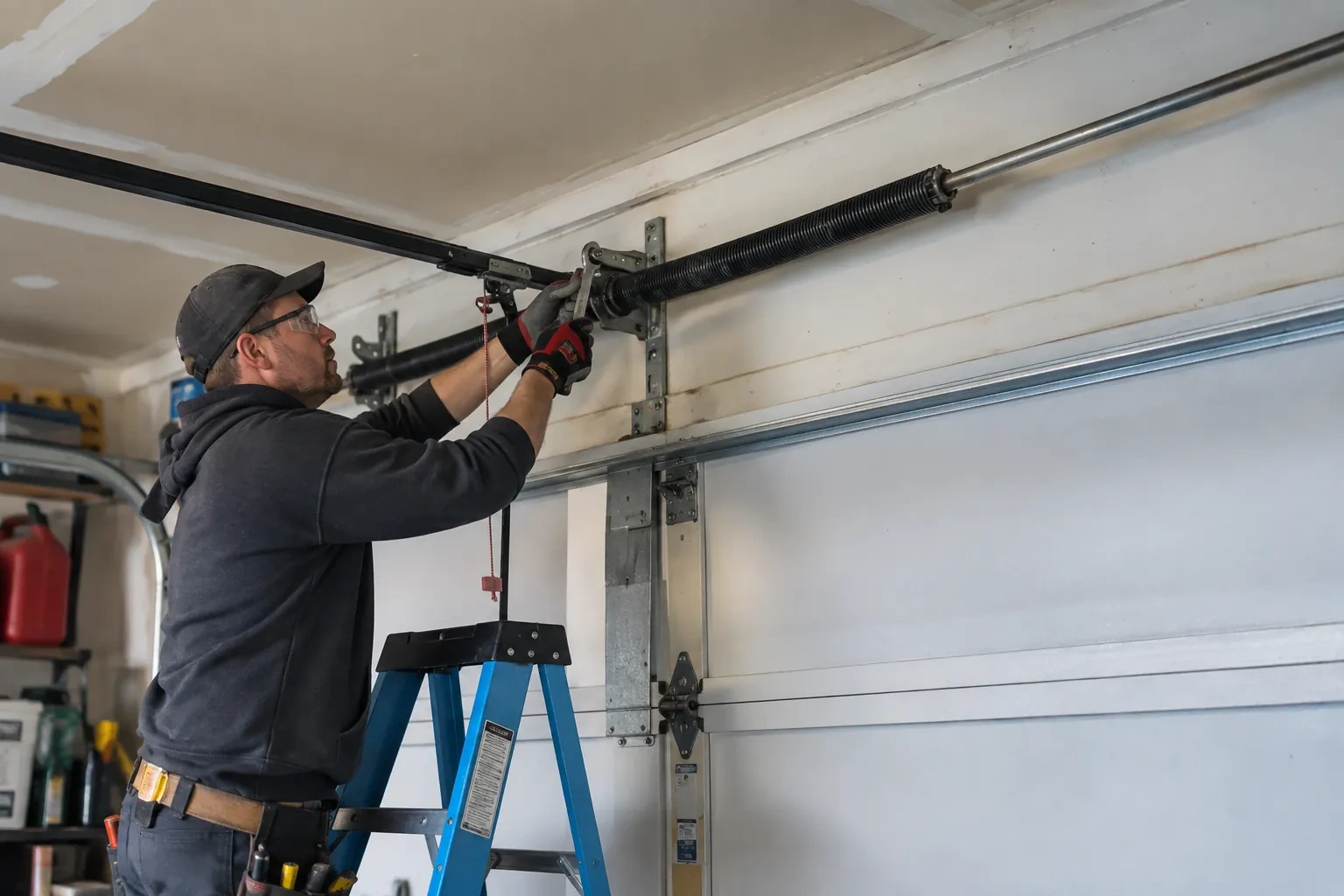
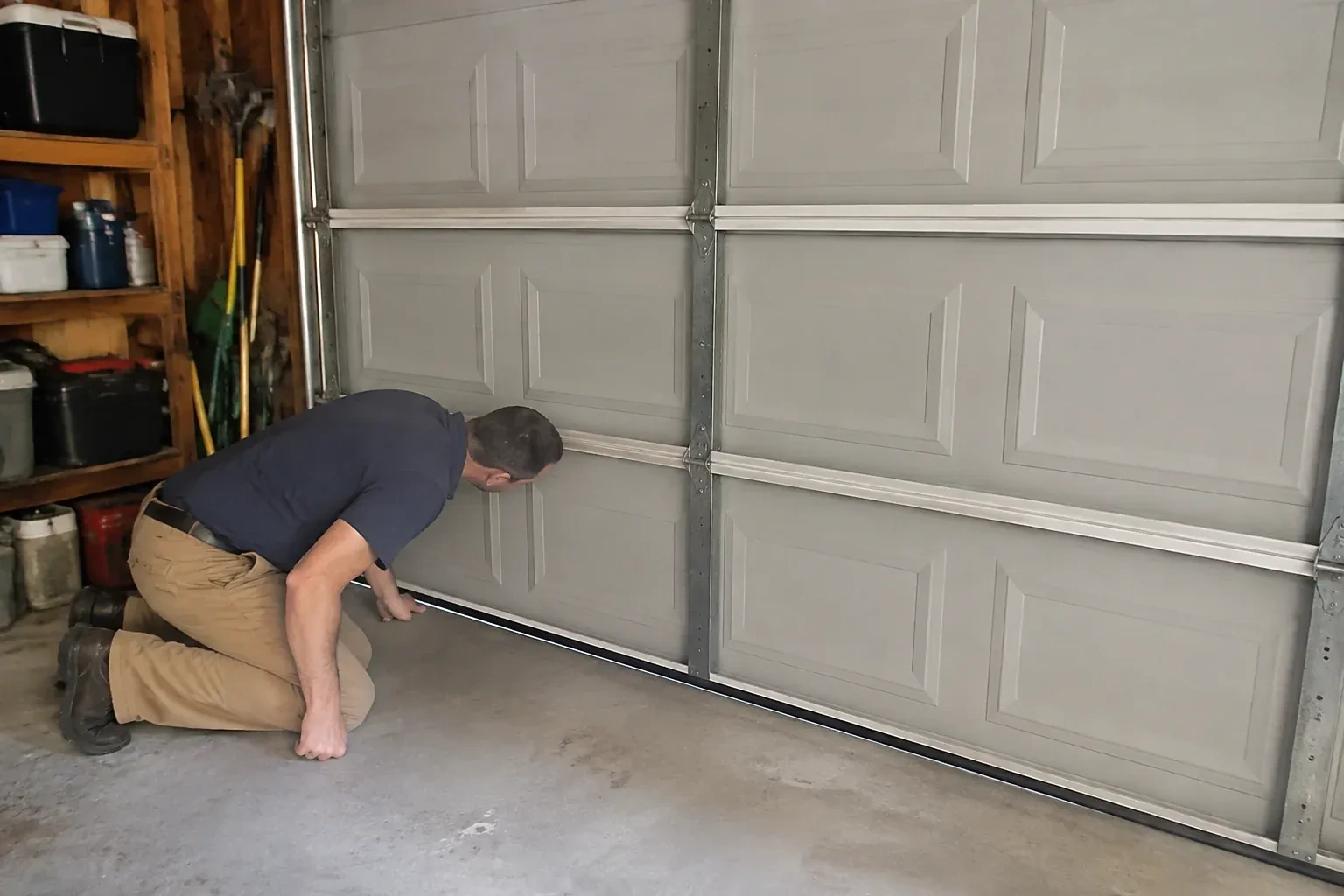
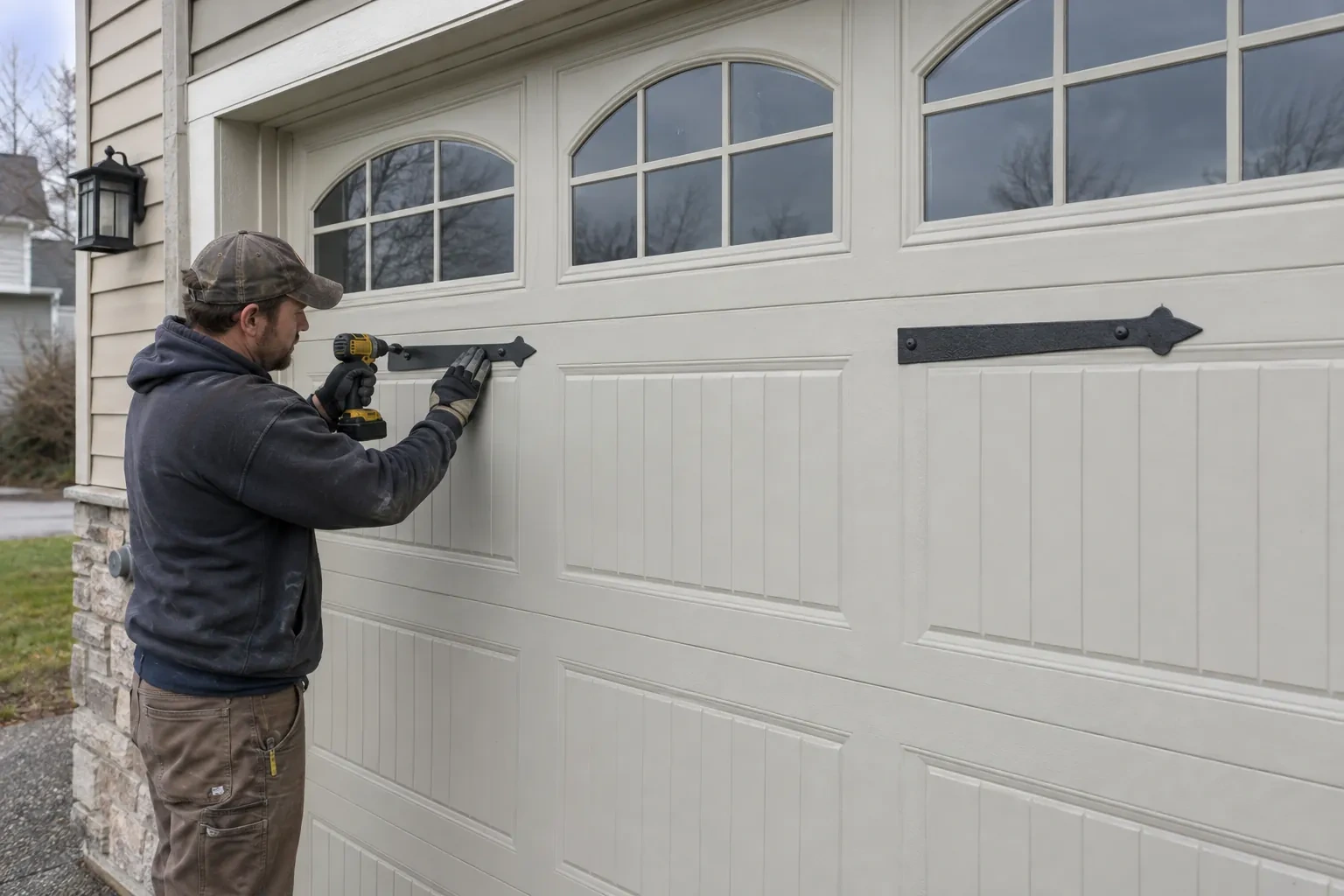
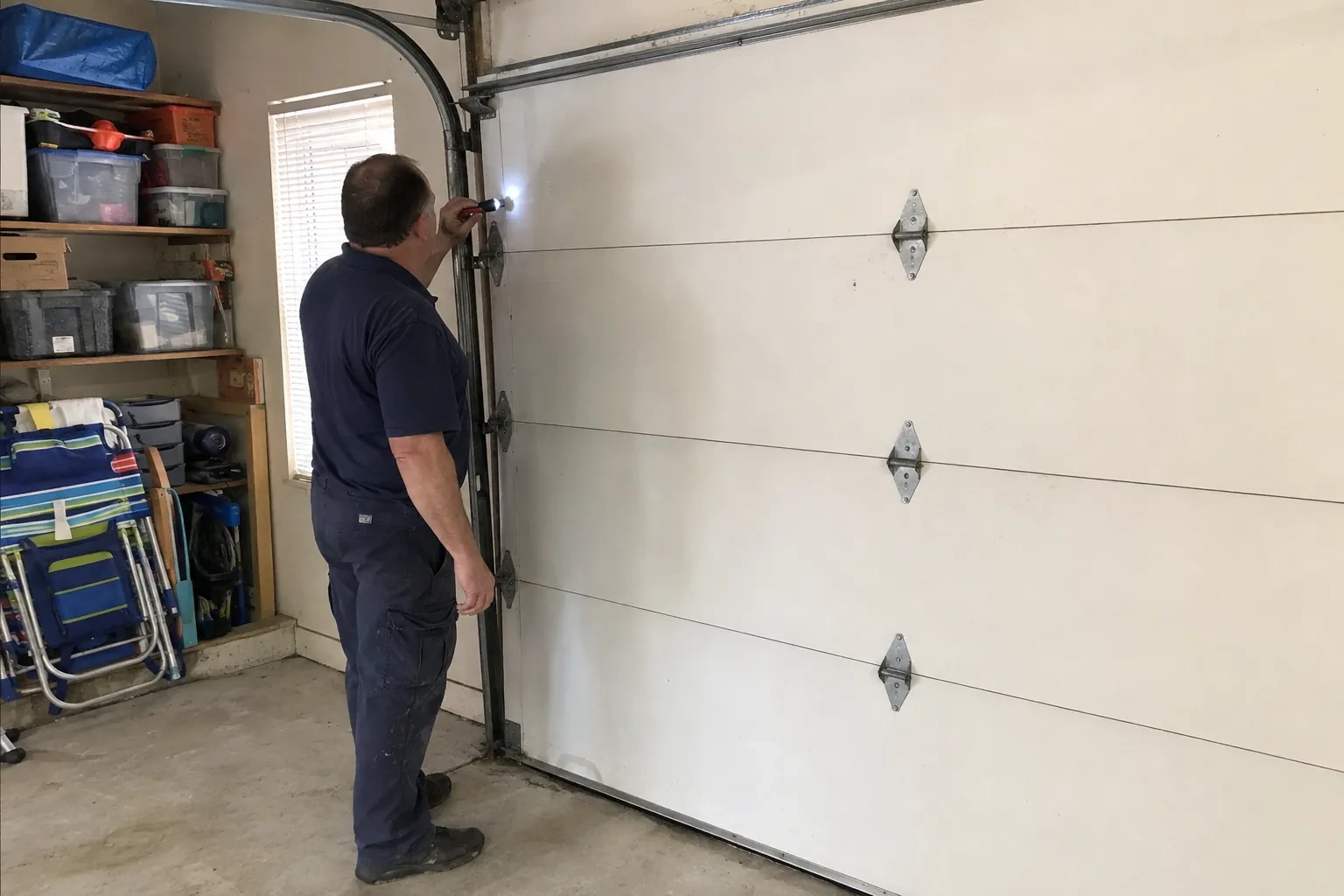
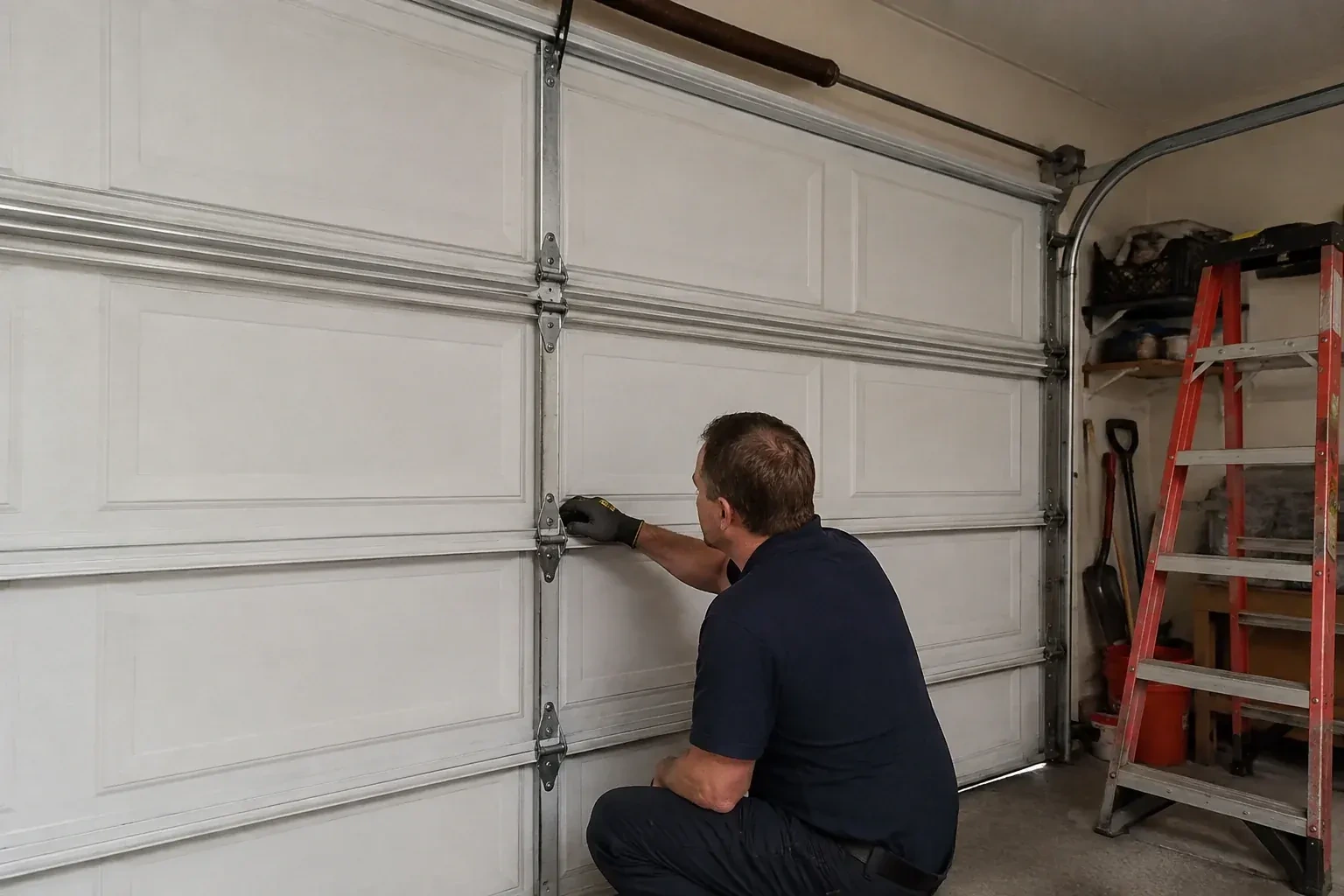
When a technician arrives at a house in Centreville, the first job is to walk the whole door, from the bottom seal to the header bracket, because the part that made the noise usually has a worn neighbour. Fixing both on one visit means the door stays fixed instead of failing again next month.
When a technician arrives at a house in Centreville, the first job is to walk the whole door, from the bottom seal to the header bracket, because the part that made the noise usually has a worn neighbour. Fixing both on one visit means the door stays fixed instead of failing again next month.
Springs, openers and everything between.
What people in Centreville can expect from us: a technician who arrives when he said he would, looks at the door properly, explains the cause, gives a price on site before starting, does the work carefully with the door secured, tests it through full cycles, and leaves the garage as tidy as he found it.
If you live in Centreville and your garage door has let you down, you are in familiar territory for us. Our vans pass through the neighbourhood regularly, so the drive is short and the streets are known. We repair springs, cables, rollers and openers, install new doors, and take the time to explain each step so you understand what was done and why.
32years in business
24/7open every day
Explanation before action. You will know what is worn, why it failed and what the options are before a single bolt is turned. Questions are welcome at every step.
A tidy garage. Drop cloths where needed, old parts bagged, floor swept. We leave the space as we found it, only with a working door.
Choices, not pressure. If a repair will do, we say so. If a replacement makes more sense, we explain why and let you decide.
Owners of older homes in Centreville often need work on extension springs, wood doors and early openers, while newer homes tend to need torsion springs, belt-drive openers and insulated steel panels. We service both generations of door, and the pages below explain what applies to yours.
About 49% of homes in Kitchener were built in 1980 or earlier, according to the 2021 Census.
A mixed-age neighbourhood is where retrofits are most common: safety cables added to extension springs, a torsion conversion on an older door, insulated panels replacing a hollow door, or a quieter belt opener under a newly finished room above the garage. Each is a routine job for us.
Single-detached houses make up about 48% of homes in Kitchener (2021 Census).
Where houses and attached homes sit together, the shared garage door on a small condo building may be a commercial operator on a heavy door, while the house next door runs a light residential unit. We service both types and carry parts for each.
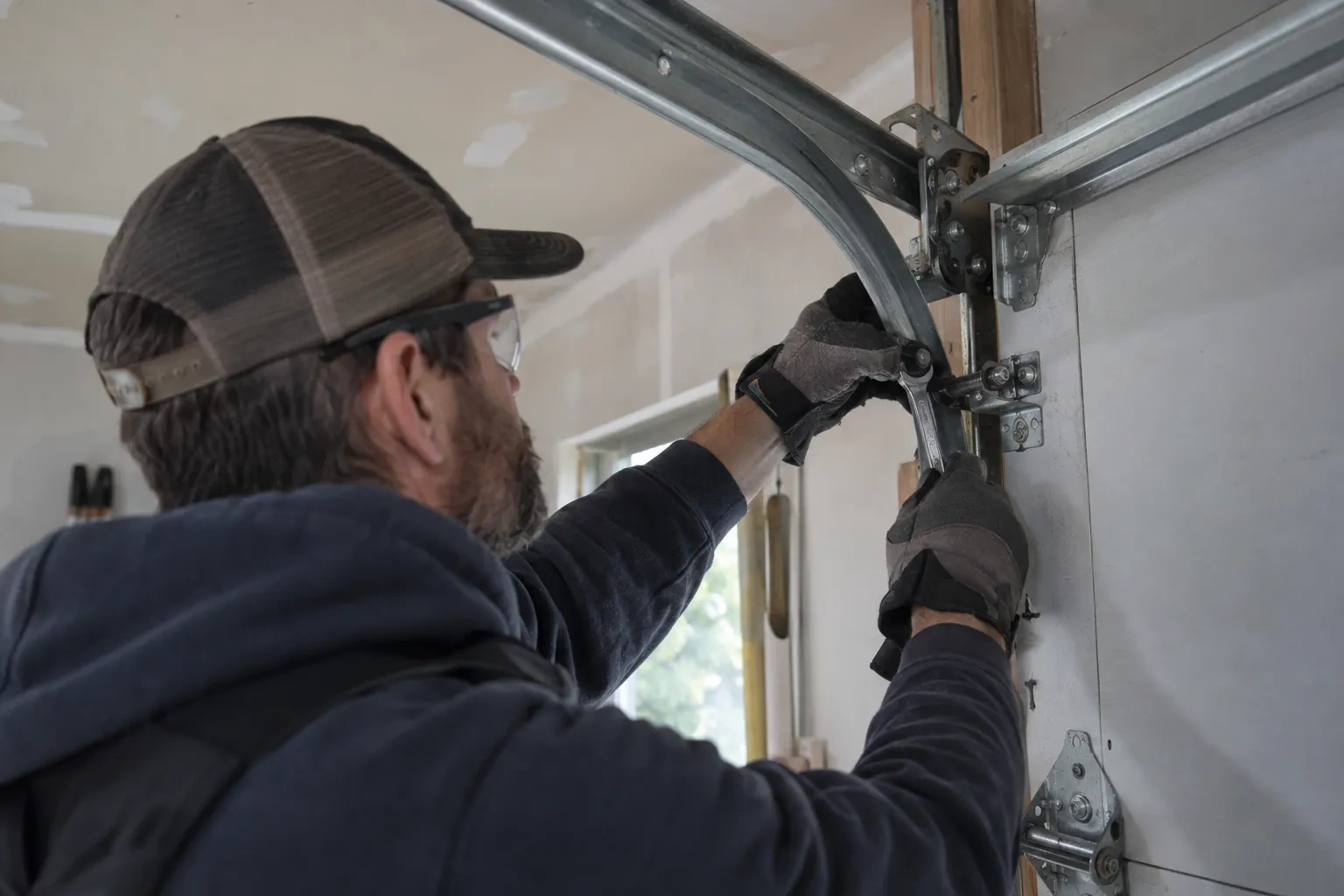
The lift cables are thin steel ropes under constant load. Rust, kinks and broken strands show up at the bottom where they meet the bracket, and a cable that gives way drops one side of the door. Replacing them is routine work for us.
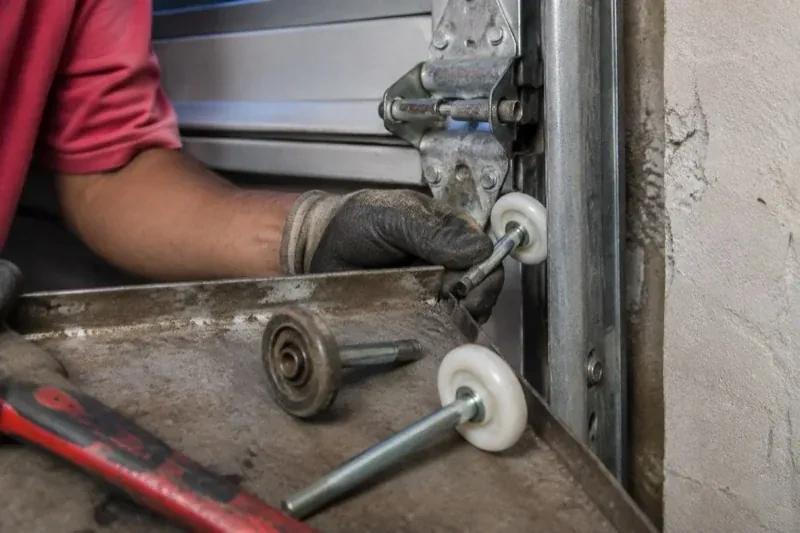
Every morning the door announces itself: a rattle on the way up, a grinding squeal on the way down, loud enough that the neighbours know when you leave.
After the power came back you pulled the red cord to get the car out. Since reconnecting, the door stops short of the floor, and no amount of turning the limit adjustment brings it the rest of the way down.
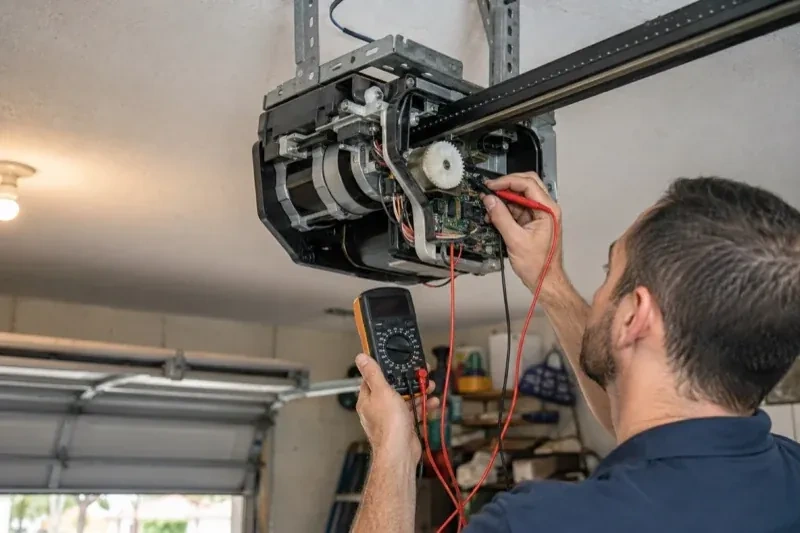
Press the button and the motor hums, but the door stays exactly where it is. Under the housing there is a dusting of white plastic shavings, the sign of a stripped drive gear, and this is the second time it has happened.
After a cold night the door stays open until the garage warms up. There is frost on the sensor lenses and a ridge of salty slush piled against the brackets where the snow blower was parked.
The opener is an older one with a row of tiny switches inside the remote. The last remote finally died, the maker stopped selling that model years ago, and the door itself still runs perfectly from the wall button.
A smart hub arrived in the mail with a coin-cell sensor and two wires. The instructions ask what colour your learn button is and how old the opener is.
It is the coldest morning of the year. A week of slush and road salt has crusted over the outside release lock, the key will not seat, and the opener inside is silent after the overnight outage.
Which fix fits?
The top section has developed a bend where the opener arm pulls on it.
WhyIf your opener has no sensors at the floor, that alone does not date it, since a pair can be missing, removed or never reconnected; the technician identifies the model before deciding whether a pair can be restored or the operator itself needs replacing.
The new car has three buttons in the mirror for garage doors.
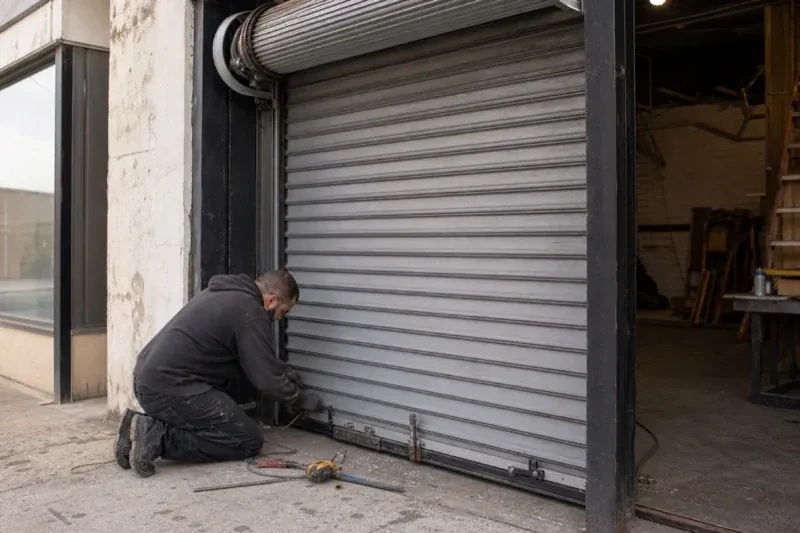
WhyCommercial rolling door repair treats the opening as one connected machine rather than a loose collection of parts.
How a visit goes
Describe the property, the hardware and what has changed, and the visit starts from what you have seen.
01
Say what you noticed
A new noise, a hesitation, a gap at the bottom. Small observations point us to the right part before we even arrive.
02
Diagnosis you can follow
We show you what we find as we find it: the worn cable, the tired spring, the sensor out of line. No mystery about the cause.
03
Work done and shown
The repair is completed, the door tested through full travel, and the result demonstrated so you know exactly what changed.
An entrance. Not an afterthought.
1/10Garage Door Panel Replacement
The top section has developed a bend where the opener arm pulls on it. On the way up it flexes visibly, the door hesitates near the top of its travel, and daylight shows through the joint below it when the door is closed.
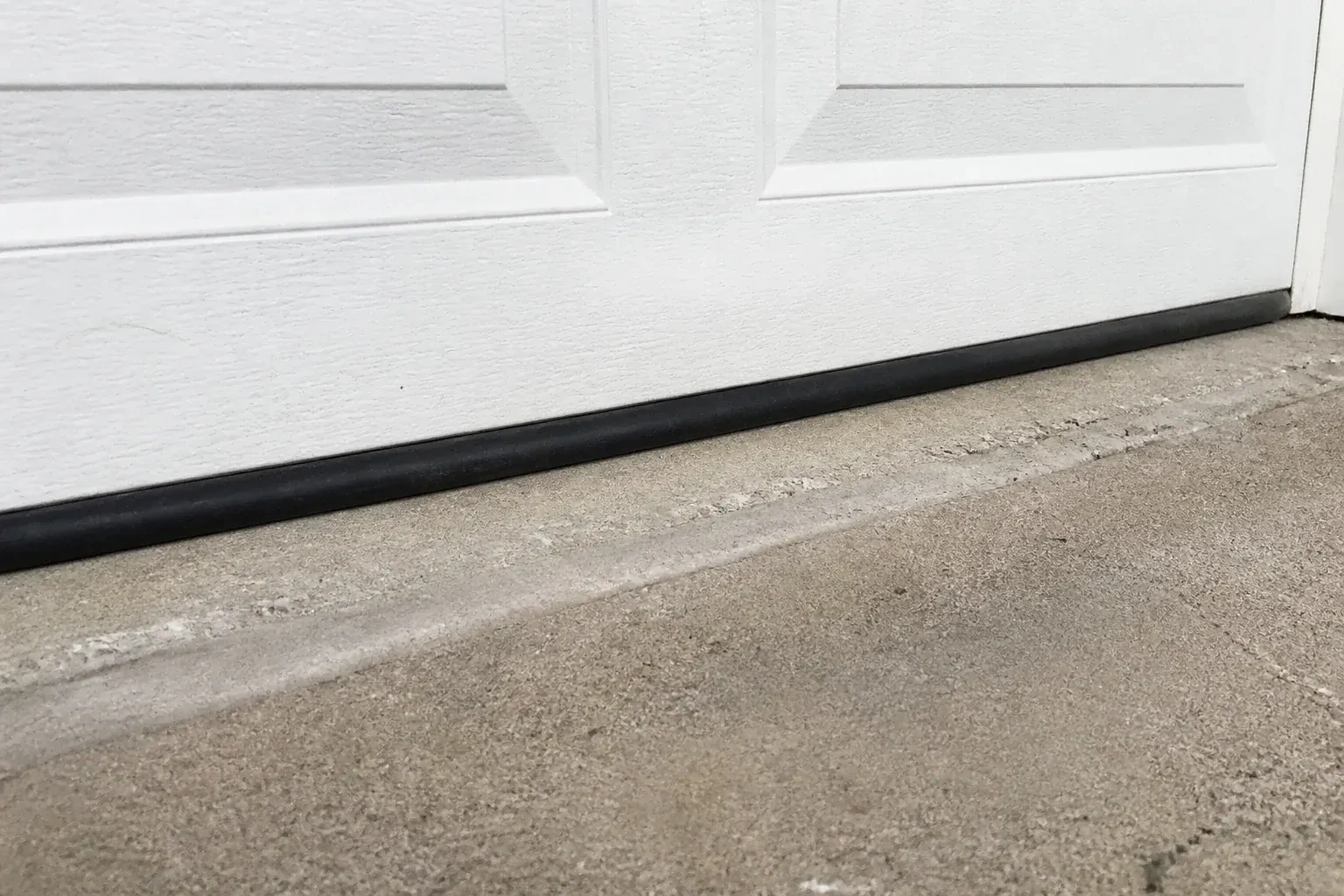
After a spring rain there is a puddle inside the door that reaches the tires. The driveway slopes toward the garage, the slab has a low corner, and the flattened old seal is not making up the difference.
The outside handle wobbles in your hand and the inside knob spins round and round with nothing attached. The screws that held the lock through the door skin have pulled loose, leaving oval holes, and the whole thing hangs on by little more than paint.
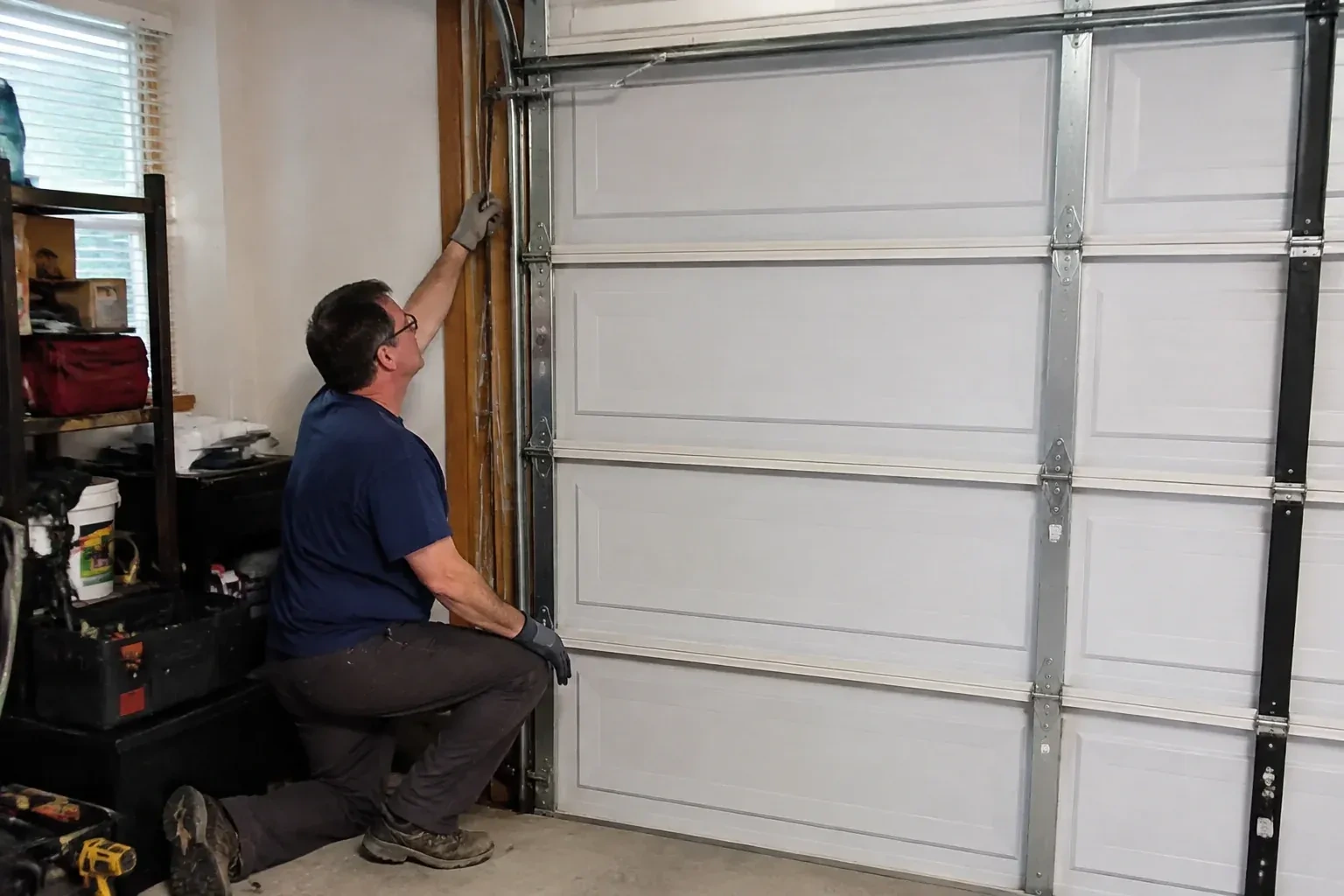
There was a sharp crack from the garage, and when you went to look the door had dropped on one side and jammed. A length of cable lies coiled on the floor by the bottom roller.
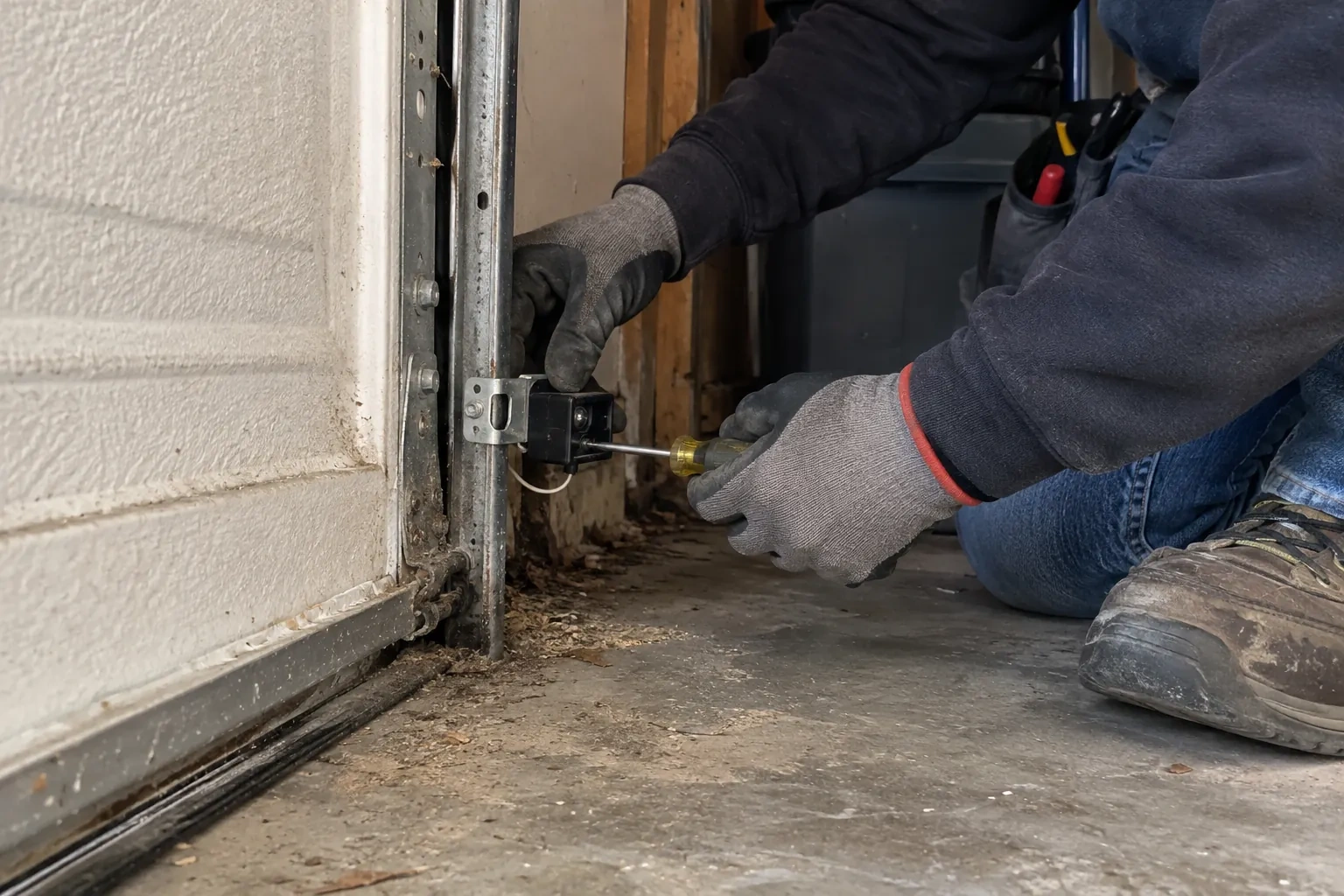
Since shelving went up along the garage wall, the door will not close and both sensor lights are dead. A screw or staple may have gone through the thin wire that runs from the opener to the sensors.
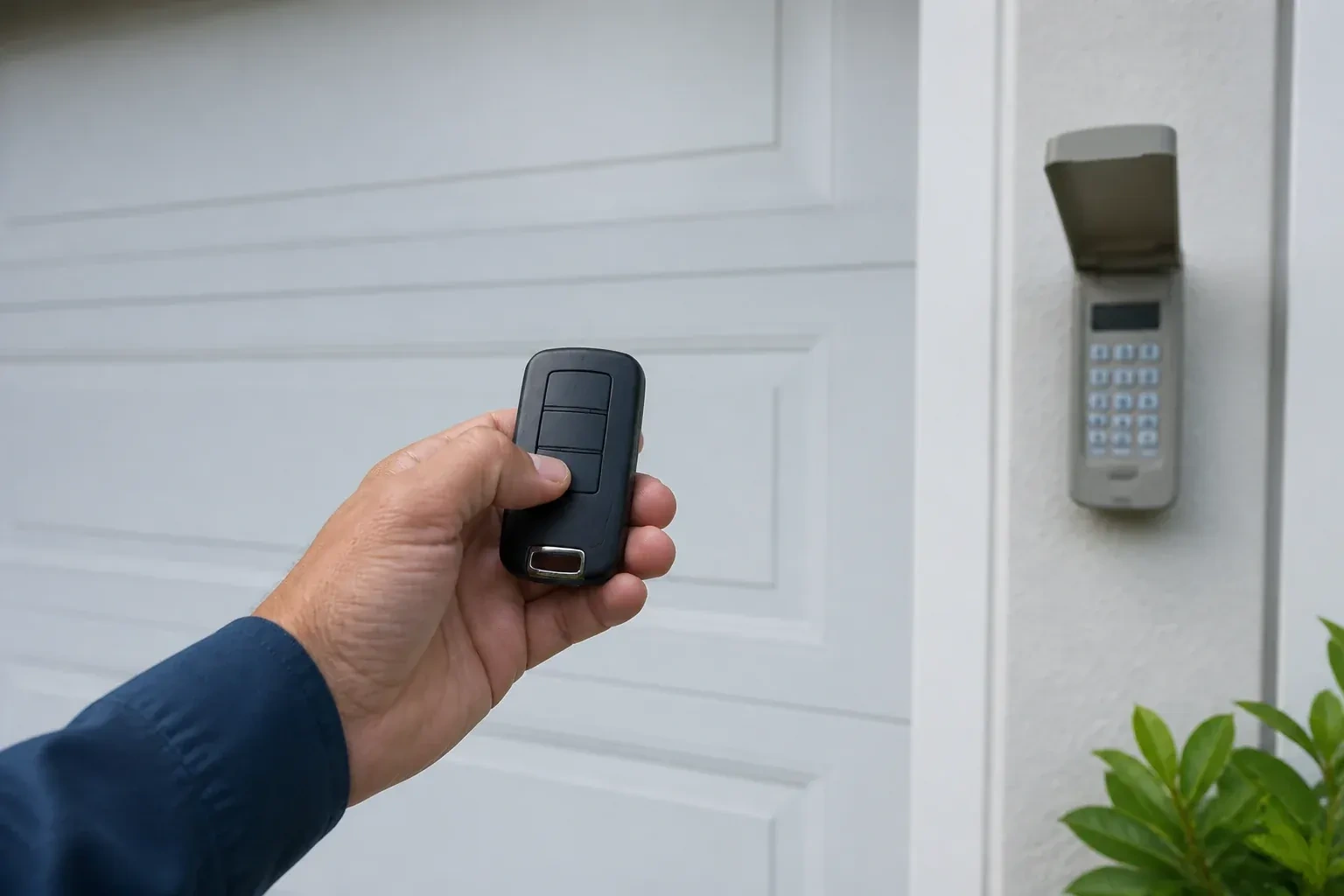
The new car has three buttons in the mirror for garage doors. You held the old remote up to it as the manual said, the light in the car changed, and yet the door ignores it completely. The handheld remote works fine.
After an impact, the door has a deep crease across two panels. Rollers hesitate where those sections enter the curve, daylight shows beside the jamb, and the closed face no longer sits flat in the opening.
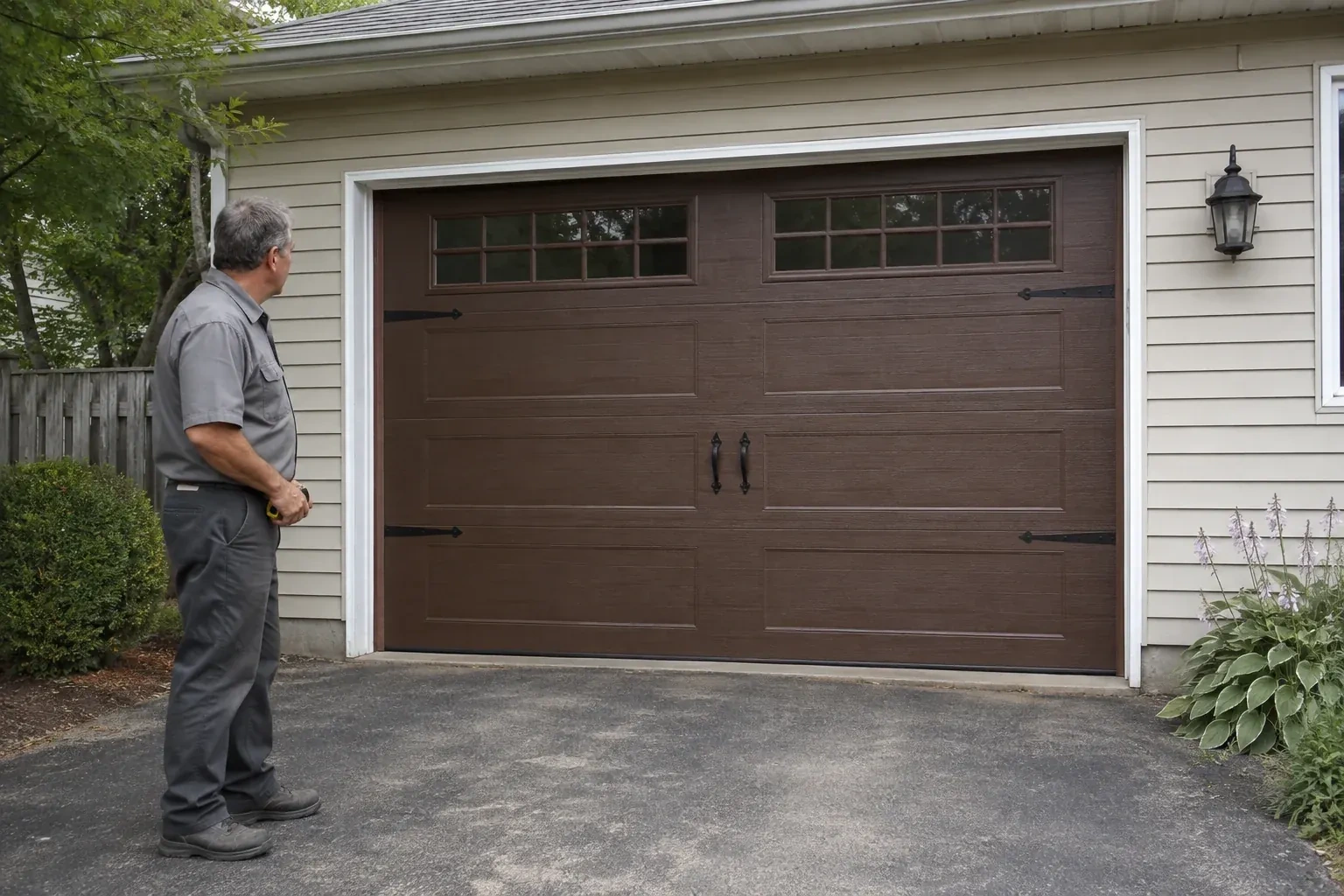
You appreciate the grain and depth of traditional wood doors, though regular refinishing is not part of your plan. A durable carriage-house surface can create a similar visual effect with simpler upkeep.
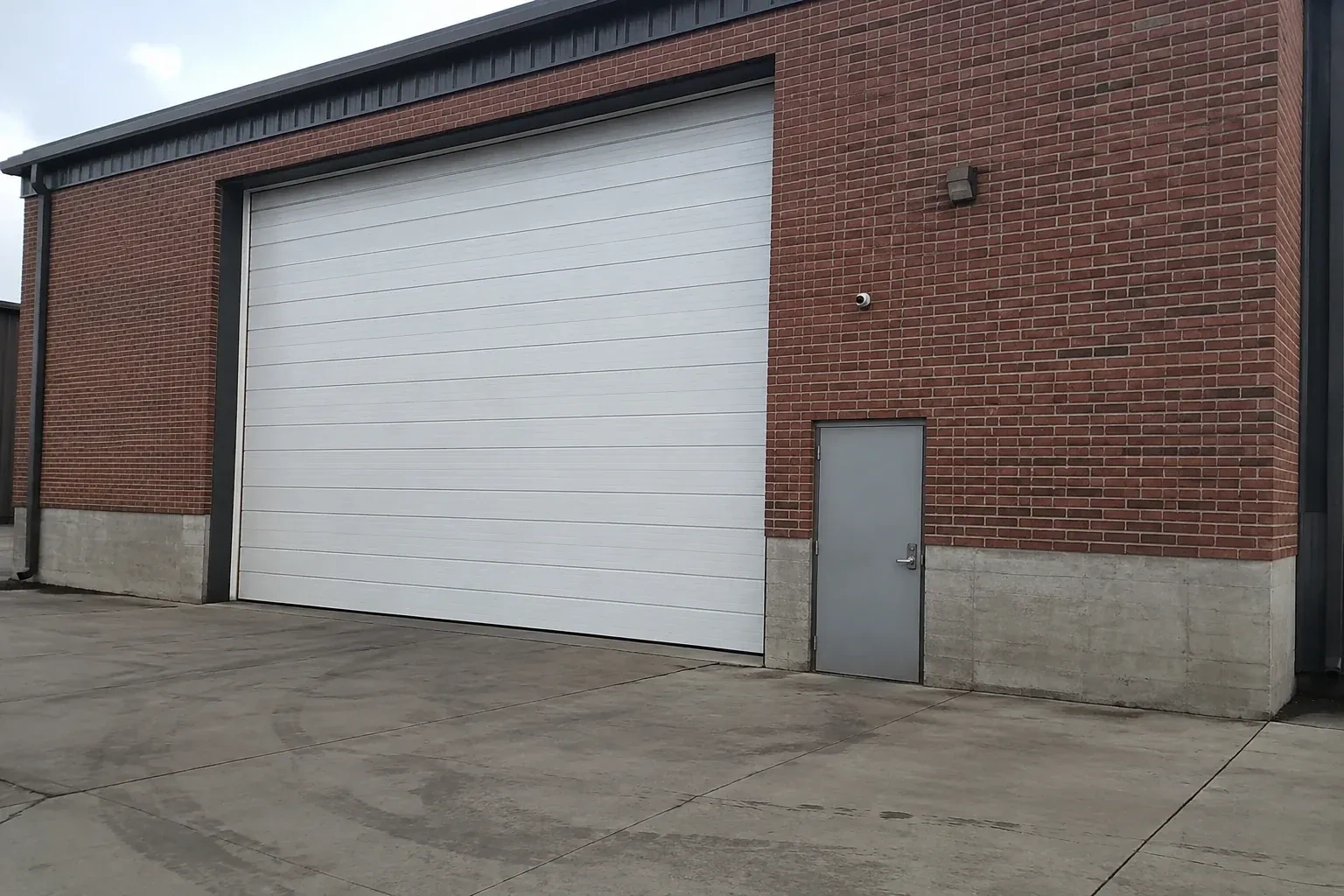
A high-lift door begins smoothly, then a cable loses tension as the top sections change direction. The loose cable no longer follows its drum grooves evenly, leaving the door unreliable at the top of travel.
The wall control asks the door to close, but the operator hums and stops. The curtain remains overhead while the control light and the photoelectric sensors suggest that the powered system needs a connected diagnosis.
Why is the bottom section handled differently from the others?
The bottom section is where the lift cables attach, through the bottom brackets at each end, and those cables are under the full pull of the springs. Before the brackets come off, the springs have to be unwound or unhooked so the cables go slack. The bottom section also carries the seal retainer and astragal that meet the floor. After the new section is in, the springs are re-tensioned and the balance reset.
What information helps when I book?
The width of the door and whether it is a single or double; what is getting in, whether light, drafts, water, snow or pests, and where along the door; whether the gap is even or worse at one end; the door material; and a photo of the end of the bottom section showing the retainer and seal. Mention if the seal has frozen to the floor or if the door has been reversing before it closes.
Can a manual lock be added to a door that never had one?
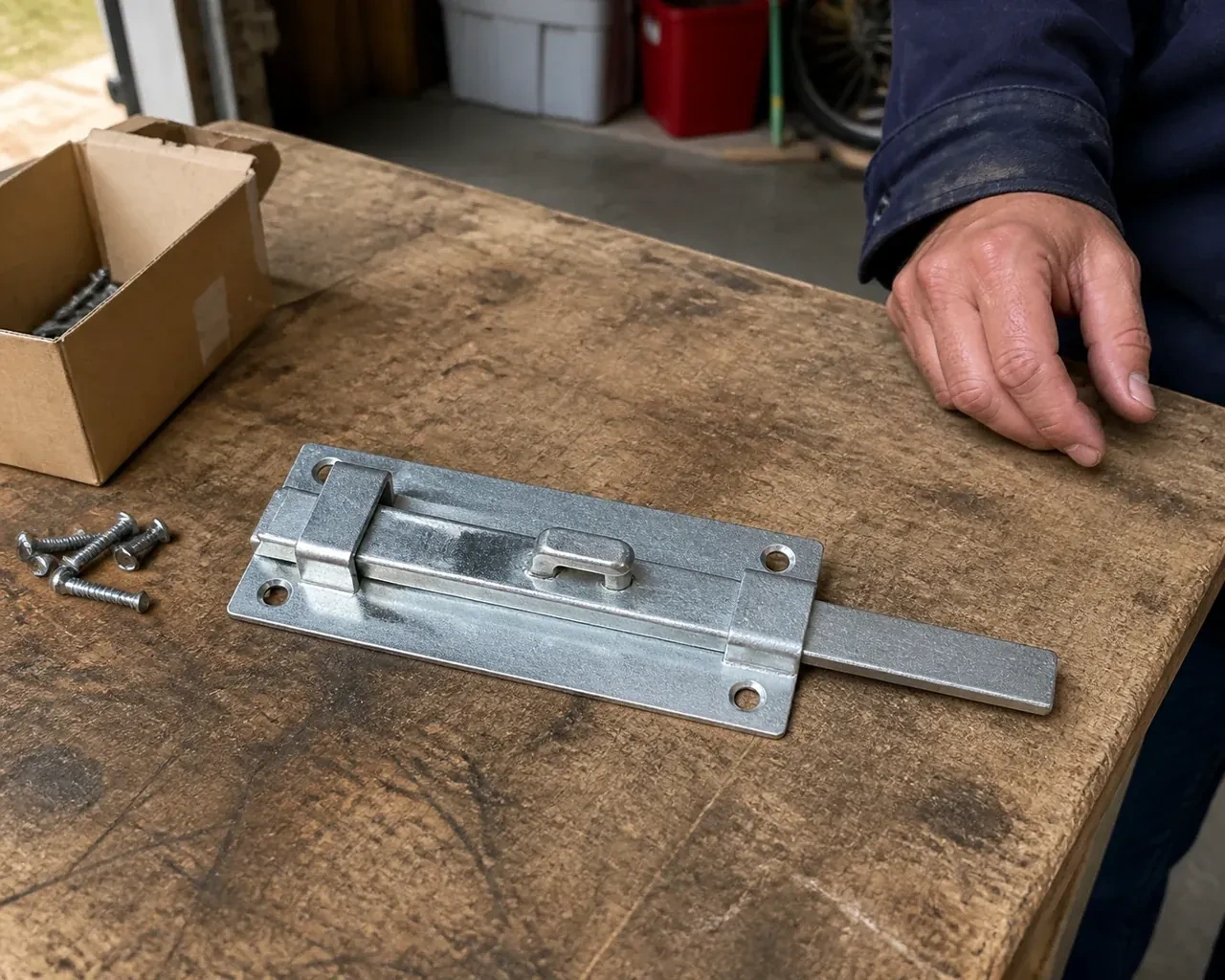
Yes. An inside slide bolt is the simplest addition: it fixes to the door's edge stile and a slot is punched in the track to receive it. A keyed T-handle can also be added, with a cutout in the centre of a section, a centre mechanism and bars run to both tracks. Where an opener is fitted, the new lock is set up so the two are coordinated from day one.
Will the springs be checked as part of cable work?
Always. Cables and springs are one system, and a spring that is weak, mismatched or wound short is a frequent reason a cable goes slack in the first place. The technician looks for breaks, measures the spring against the door weight, and confirms the correct number of turns when winding back. If a spring needs replacing, that is explained and offered as its own decision rather than folded in unannounced.
How long does a sensor visit take?
Alignment, cleaning and a bracket adjustment are done inside an hour on most doors, including the two tests at the end. Replacing the pair adds a little for wiring and setup. Re-running the wire all the way from the motor to both sensors is the part that stretches a visit, especially where the wire is behind a finished ceiling or the garage is full. Having the floor by the door clear before arrival helps.
Is the door tested for safety after programming?
Yes, every time. Each new control is operated while the technician watches the door's full travel, then a 2x4 is laid flat under the door and the door must climb back up on touching it, and a broom handle passed through the photo-eye beam during a second close must stop and reverse the door. A remote is a way of moving a heavy door, so the visit ends only when both tests pass.
Do I need a new opener at the same time?
Not automatically. The decision depends on the existing operator's condition, compatibility, attachment and the customer's access goals. Door replacement and opener replacement are separate scopes that can be coordinated. Evaluating the mechanical door first keeps the operator decision grounded in how the new assembly moves and what equipment information supports.
Which materials are used for carriage-house garage doors?
Common choices include embossed steel sections, insulated steel with composite overlays, and wood or wood-faced sectional construction. They differ in weight, surface depth, grain, moisture response and care. Samples are helpful because photographs can flatten texture and alter colour. The chosen construction also guides spring sizing, reinforcement, fasteners and the kind of finish maintenance expected later.
Can the opening stay in use while work is underway?
The repair area needs controlled access while the door is supported, tensioned components are handled and operational tests are performed. Facilities can redirect pedestrians, forklifts and vehicles to another route and keep stored goods clear of the tracks and threshold. Once tools and supports are removed, the technician completes the agreed tests before returning the bay to normal traffic.
Will operations have to stop around the doorway?
The opening and its adjacent traffic area need to remain controlled during inspection, repair and test cycles. Facilities often route people, lift trucks and deliveries through another path while that work is active. Planning around shipping periods, stored goods and access to both faces of the door helps define a workable service window and equipment setup.
Request a visit
What people in Centreville can expect from us: a technician who arrives when he said he would, looks at the door properly, explains the cause, gives a price on site before starting, does the work carefully with the door secured, tests it through full cycles, and leaves the garage as tidy as he found it.