Garage Doors in Parkway, OntarioRollers, hingesand the small parts.
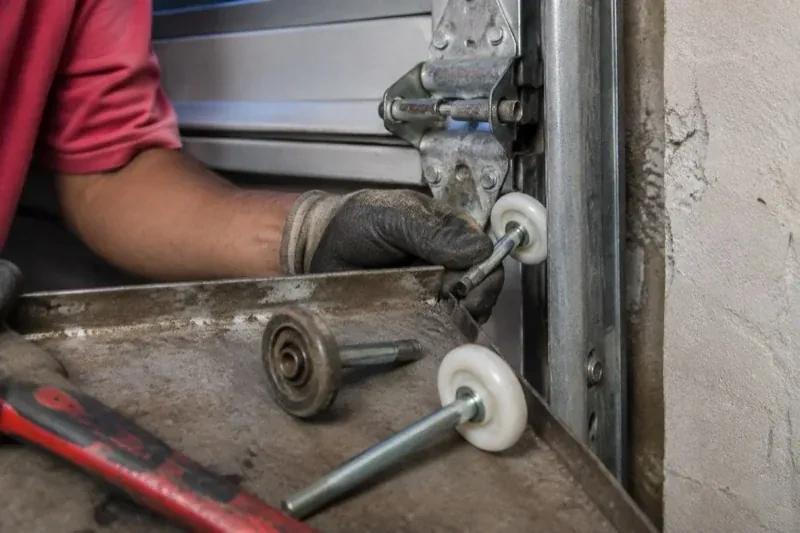
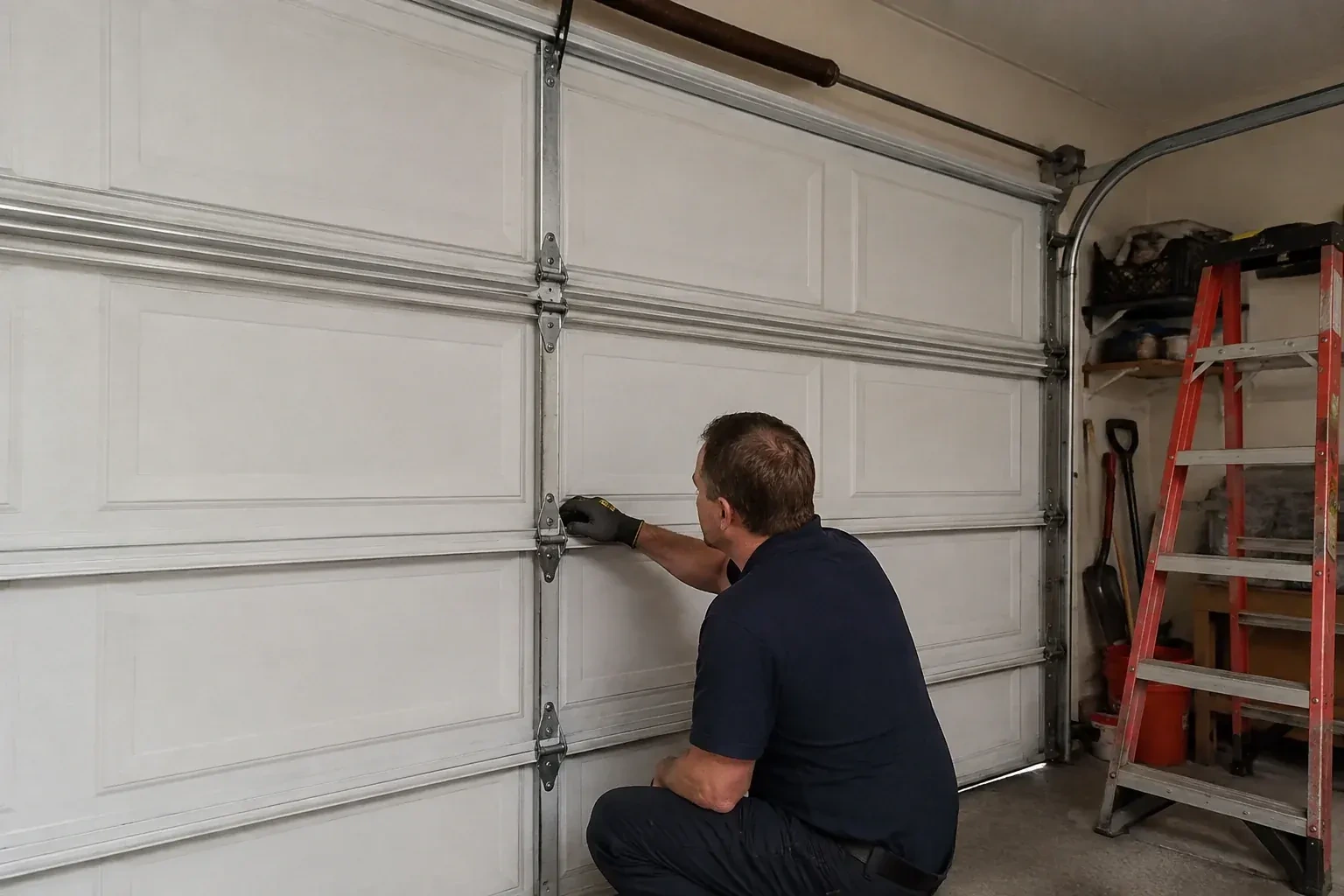
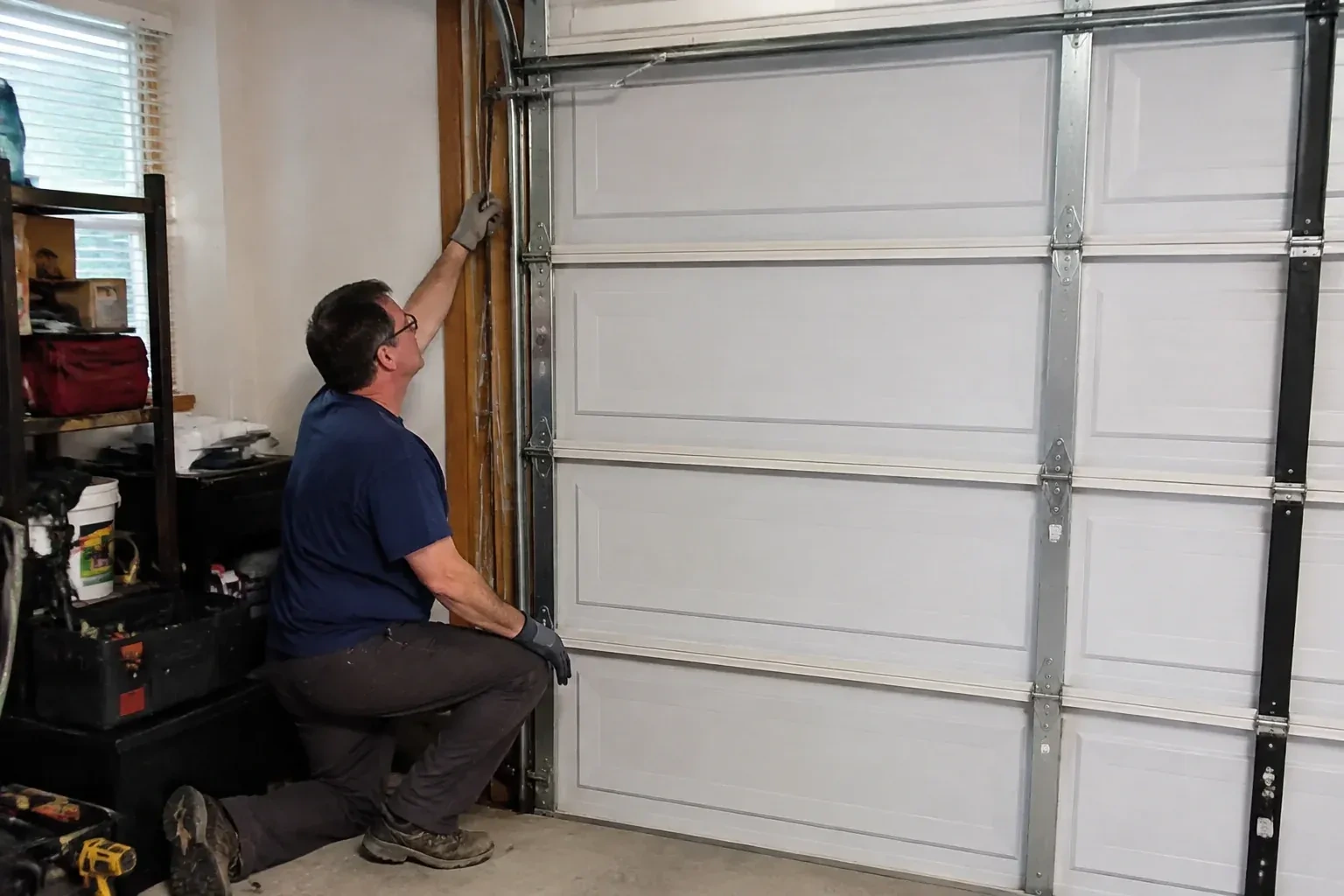
Most of what goes wrong with a garage door in Parkway is small: a cracked roller, a hinge with an oval hole, a bearing that dried out. We carry those parts, replace them in sets so wear stays even, and lubricate the rest, which is often all a noisy or sticky door needed. We serve Strasburg as well.
Most of what goes wrong with a garage door in Parkway is small: a cracked roller, a hinge with an oval hole, a bearing that dried out. We carry those parts, replace them in sets so wear stays even, and lubricate the rest, which is often all a noisy or sticky door needed. We serve Strasburg as well.
Springs, openers and everything between.
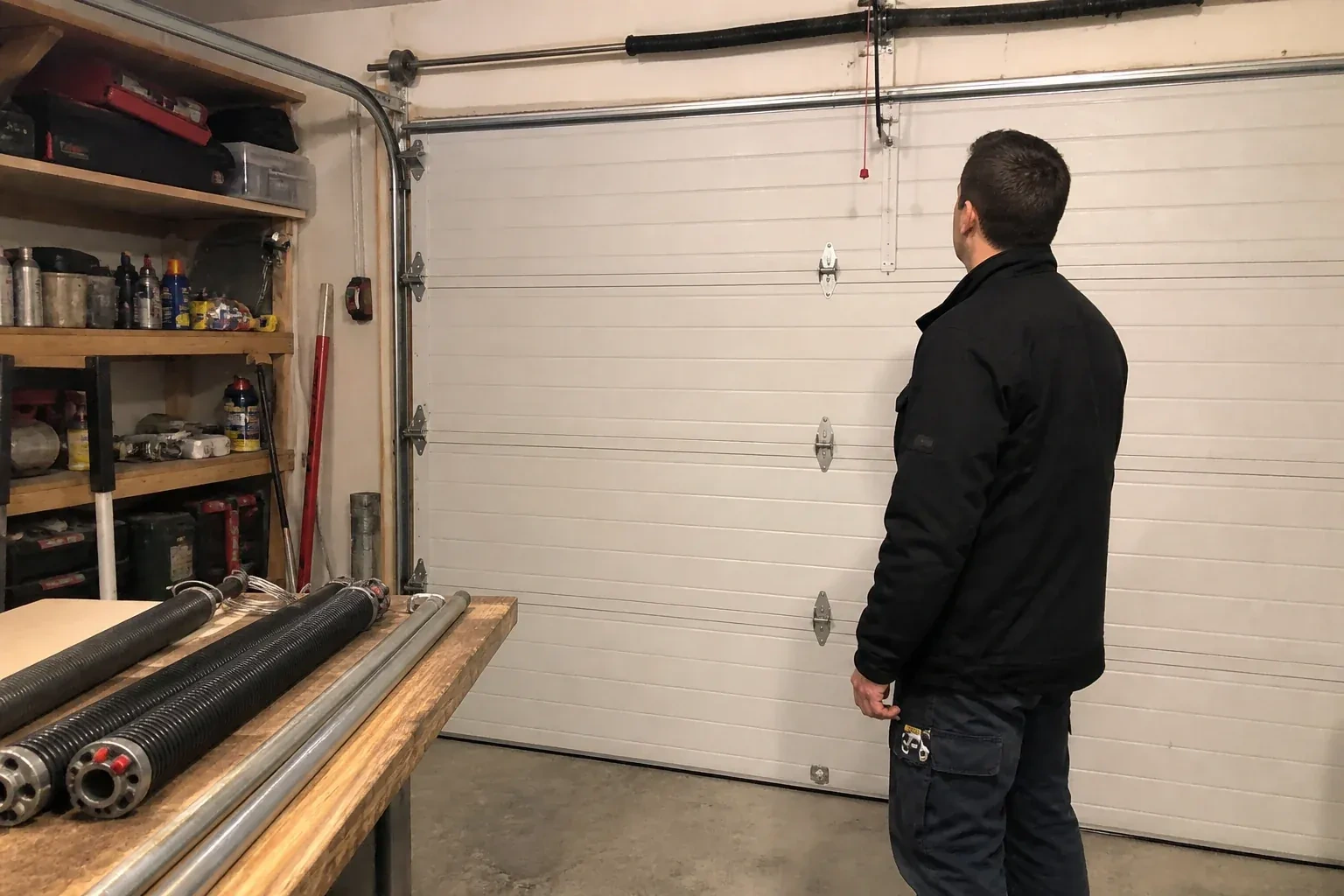
For an older door in Parkway we look for ways to keep it. Original wood doors and extension-spring setups can run for many more years with safety cables, fresh pulleys and a properly set opener. When a door truly is finished, we say so and explain what a replacement would involve, without pushing.
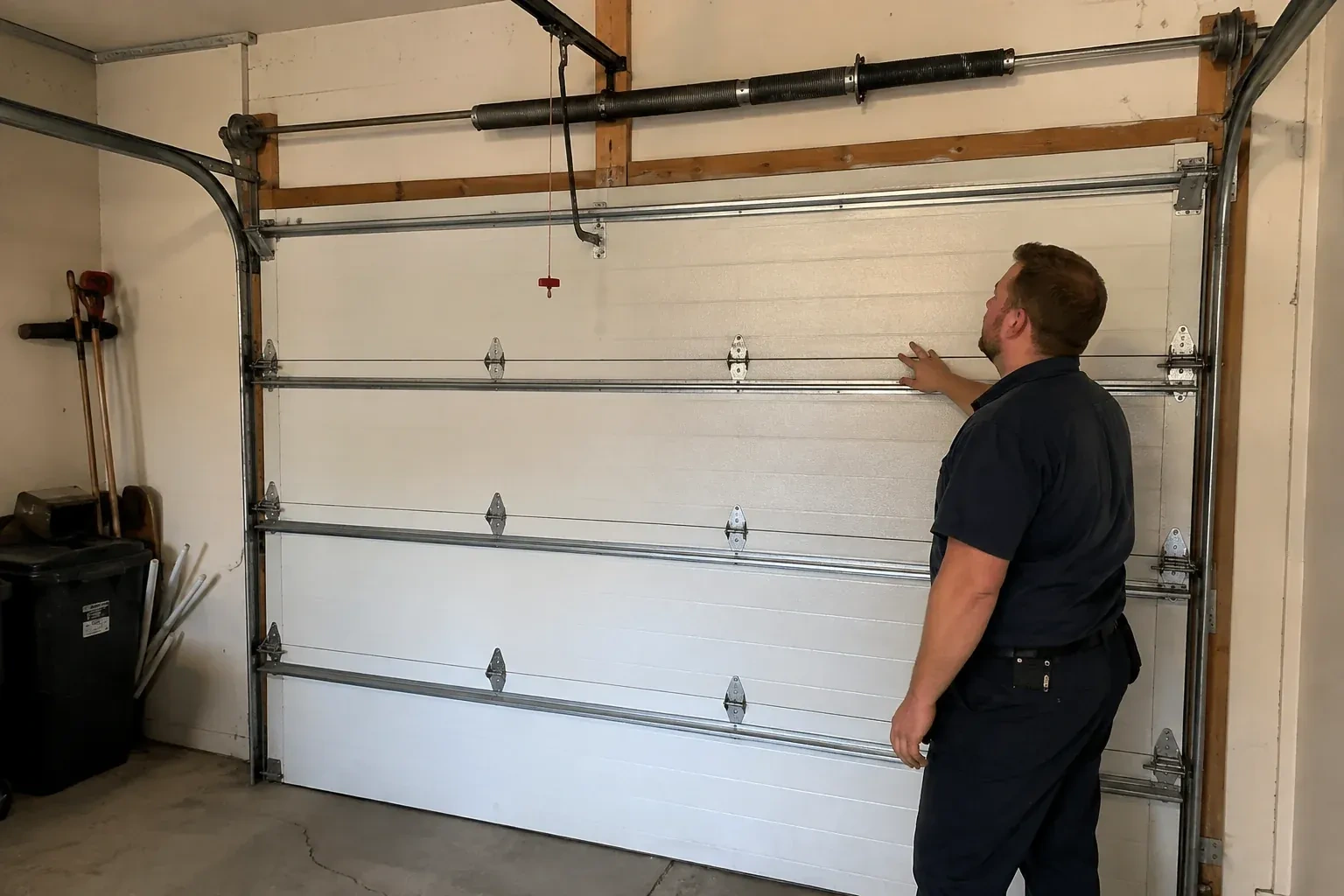
For families in Parkway, a garage door is about getting in and out of the house without fuss and about children and pets being safe around it. We pay attention to both. Every visit checks the balance, the photo eyes and the reversing force along with the repair itself, and the technician explains how the safety features work and how to test them yourself.
32years in business
24/7open every day
Explanation before action. You will know what is worn, why it failed and what the options are before a single bolt is turned. Questions are welcome at every step.
A tidy garage. Drop cloths where needed, old parts bagged, floor swept. We leave the space as we found it, only with a working door.
Choices, not pressure. If a repair will do, we say so. If a replacement makes more sense, we explain why and let you decide.
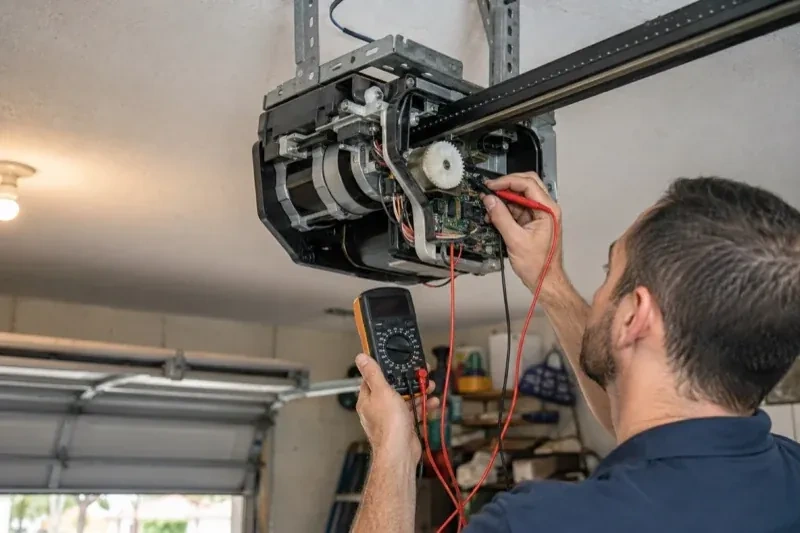
The garage door services we provide in Parkway range from a single adjustment to a complete new installation. In between sit spring and cable replacement, opener repair, roller and hinge work, weather sealing and safety checks, each one done carefully and explained before it begins.
About 49% of homes in Kitchener were built in 1980 or earlier, according to the 2021 Census.
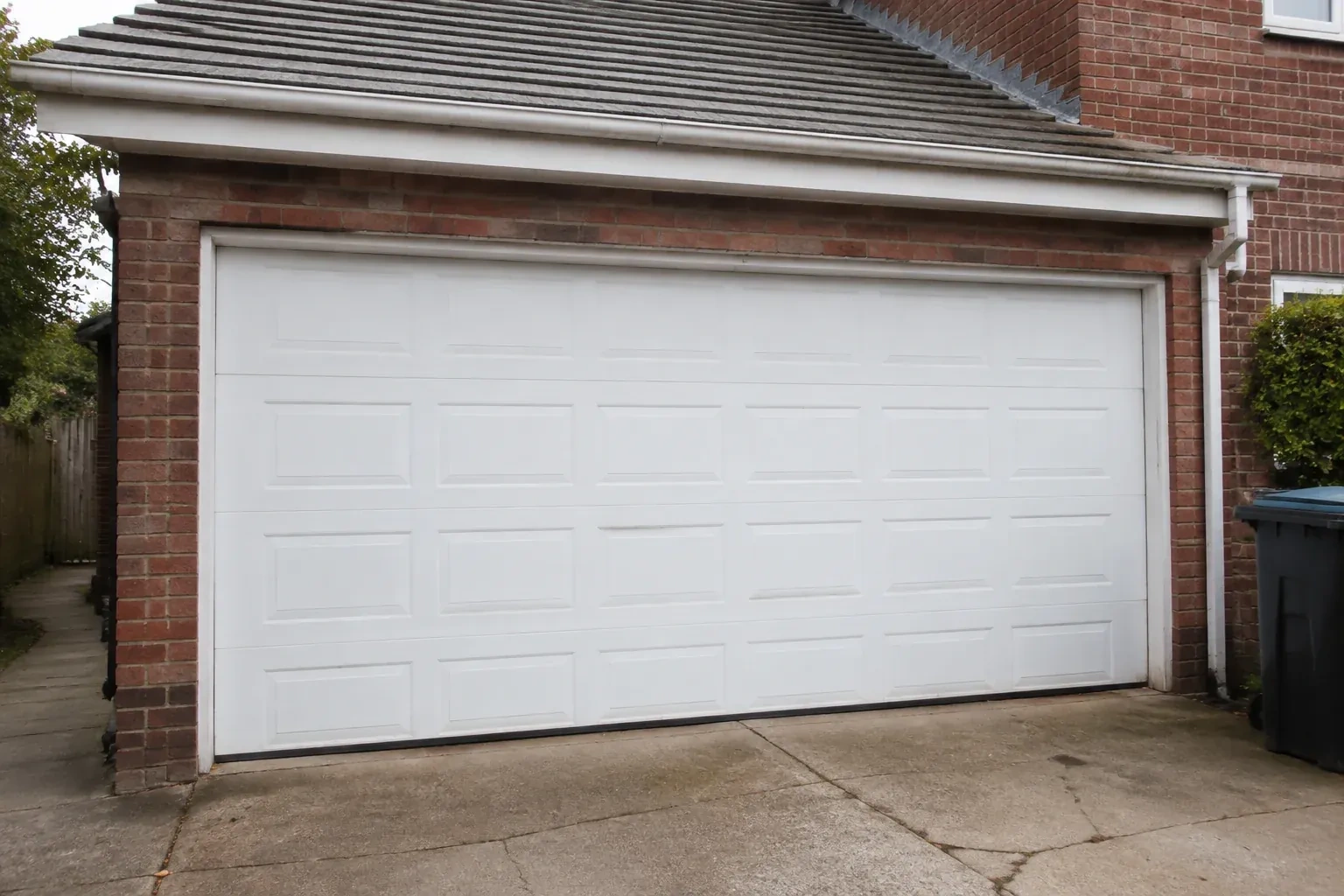
Where housing is mixed, so are garage sizes: single doors on older lots, double doors on infill and newer builds. Spring pairs, cable lengths and opener strength are all sized to the actual door, and we carry the range to cover whichever door is in front of us.
Single-detached houses make up about 48% of homes in Kitchener (2021 Census).
In a neighbourhood with both detached and attached homes, some customers decide alone and others report to a board or property manager. We adapt the visit accordingly, giving a homeowner options at the door and a manager a written summary they can circulate.
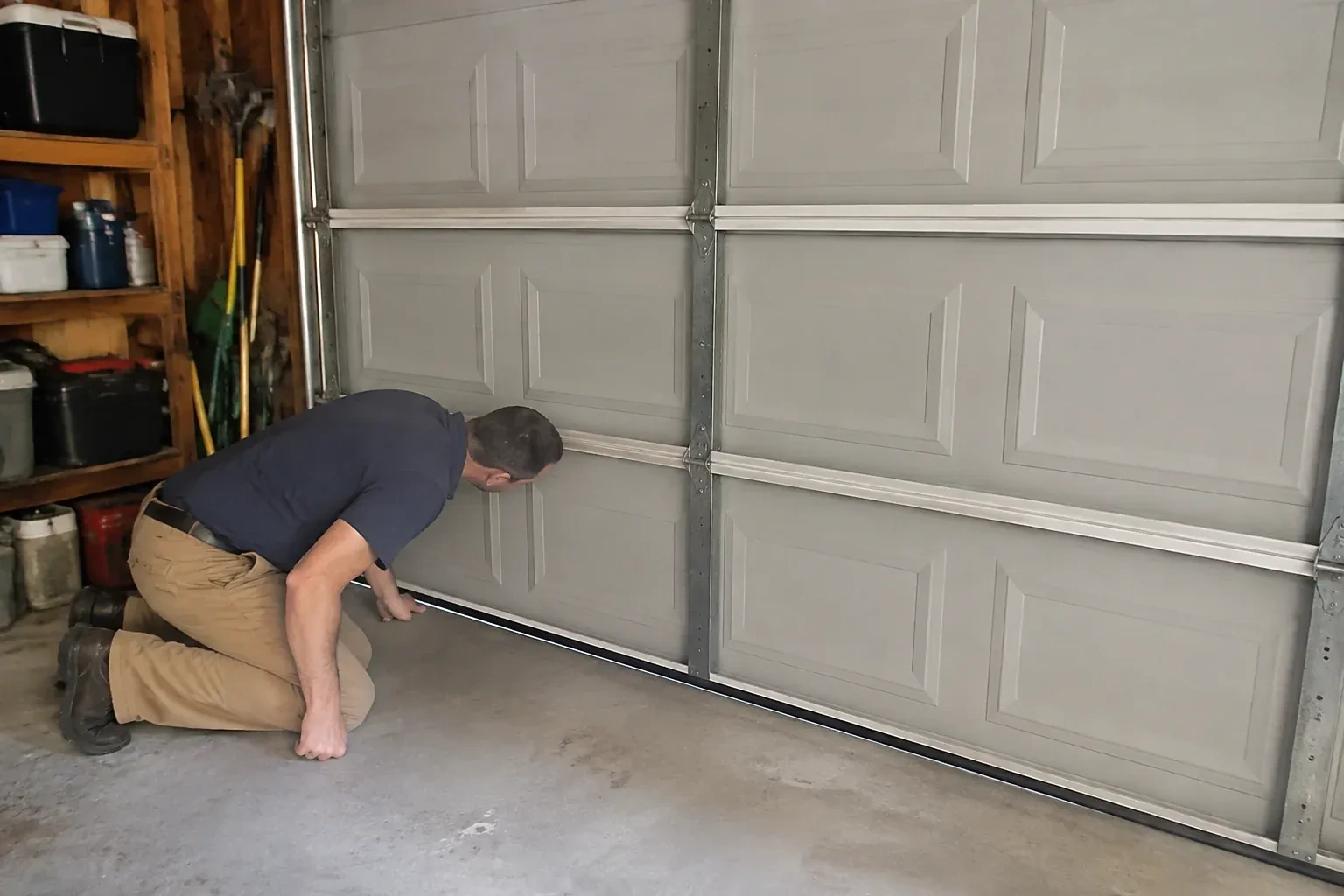
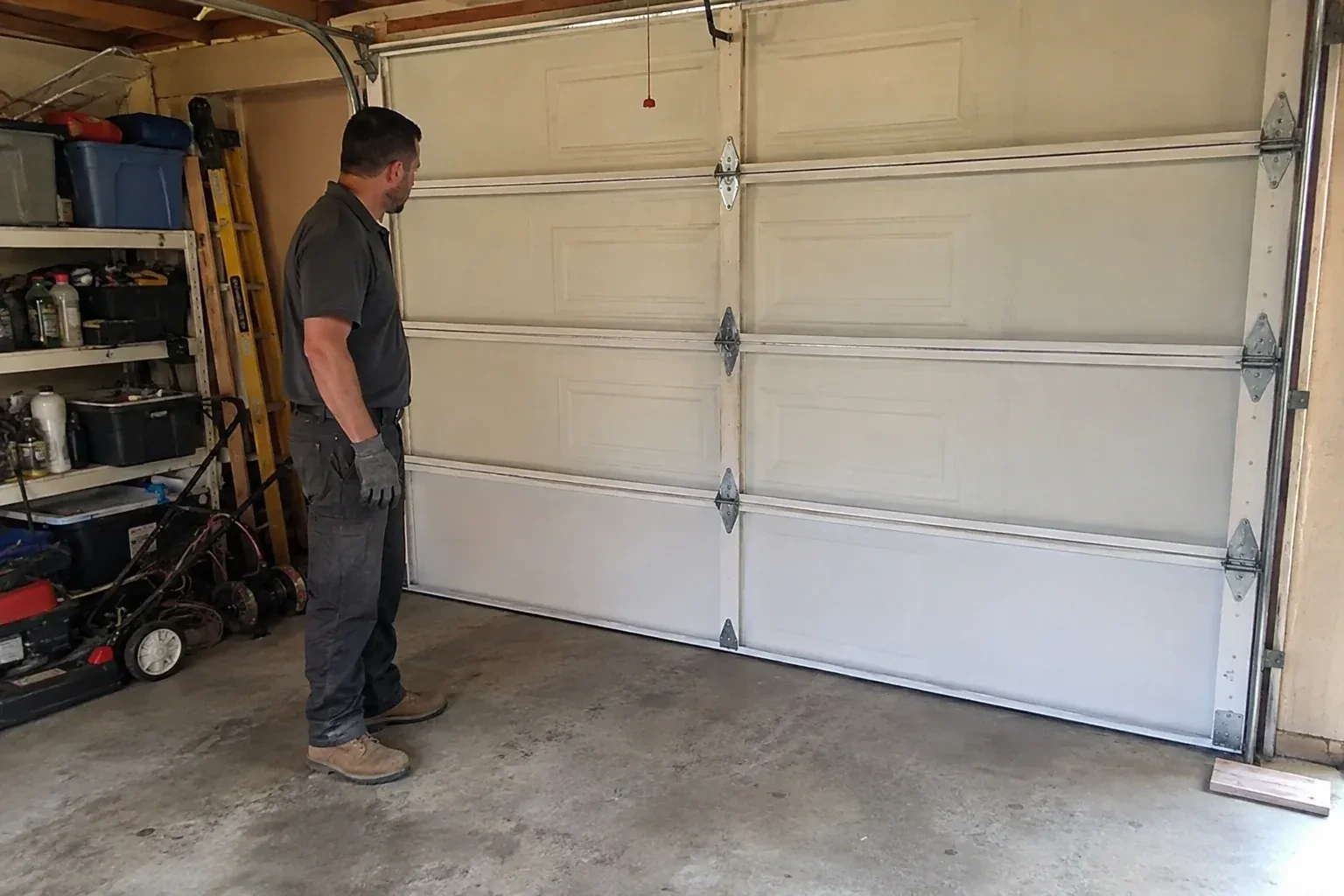
Backing out in a hurry, the bumper tapped the bottom section. The dent is small and the door still runs, but it seems to shudder now at the point where the panel meets the track.
There was a loud bang from the garage, then silence. The door is jammed a third of the way open, wedged at an angle in the tracks, and the opener light is blinking while the trolley slides uselessly along the rail.
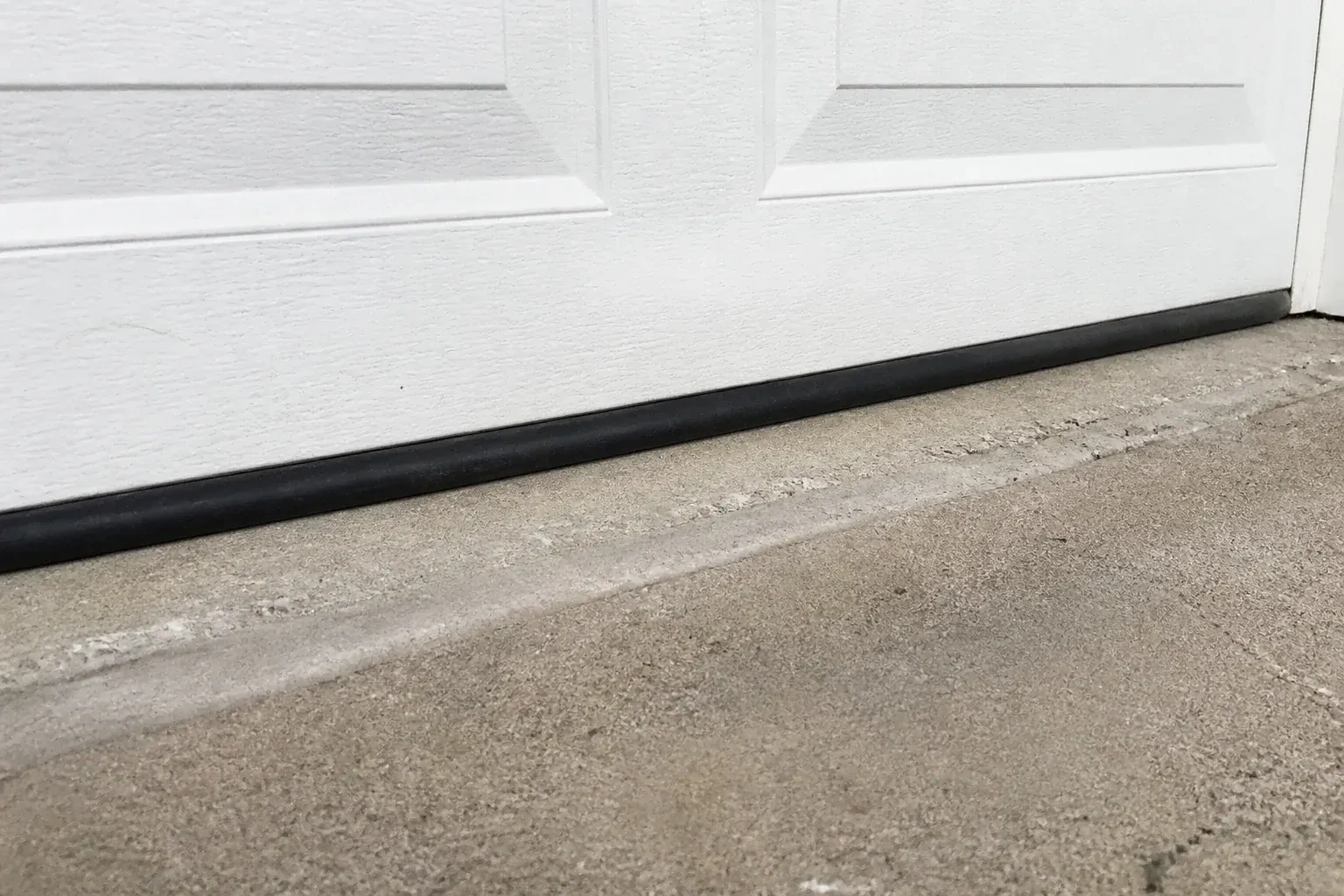
The bedroom over the garage is always the cold room, and standing in the garage you can feel why: a steady draft along the door edges that moves the cobwebs on the wall. The seal around the opening has flattened to nothing.
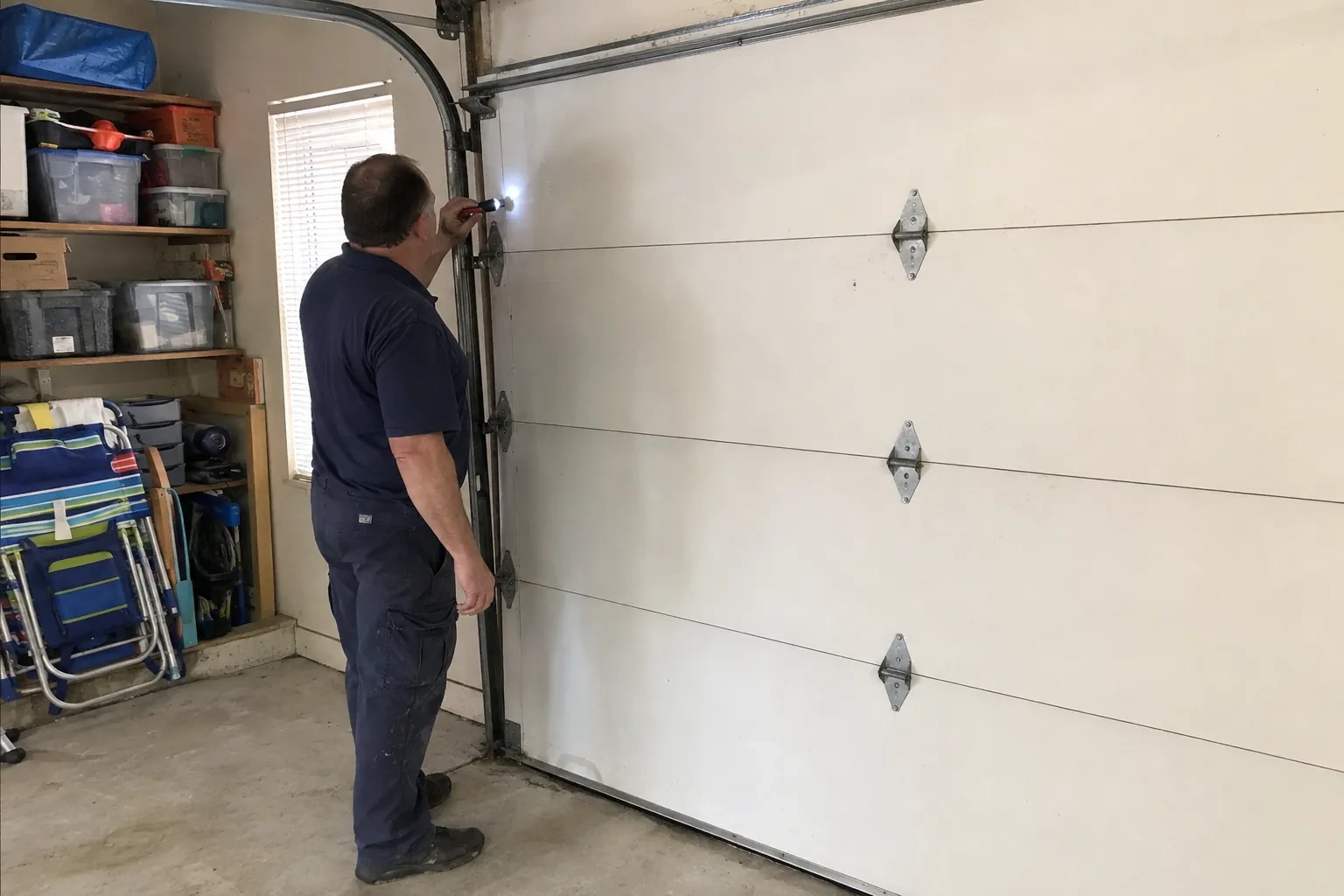
Halfway up, the door hesitates and the opener strains before it carries on. Pulled by hand with the opener released, you feel the same catch at the same height, as if a wheel is dragging instead of turning.
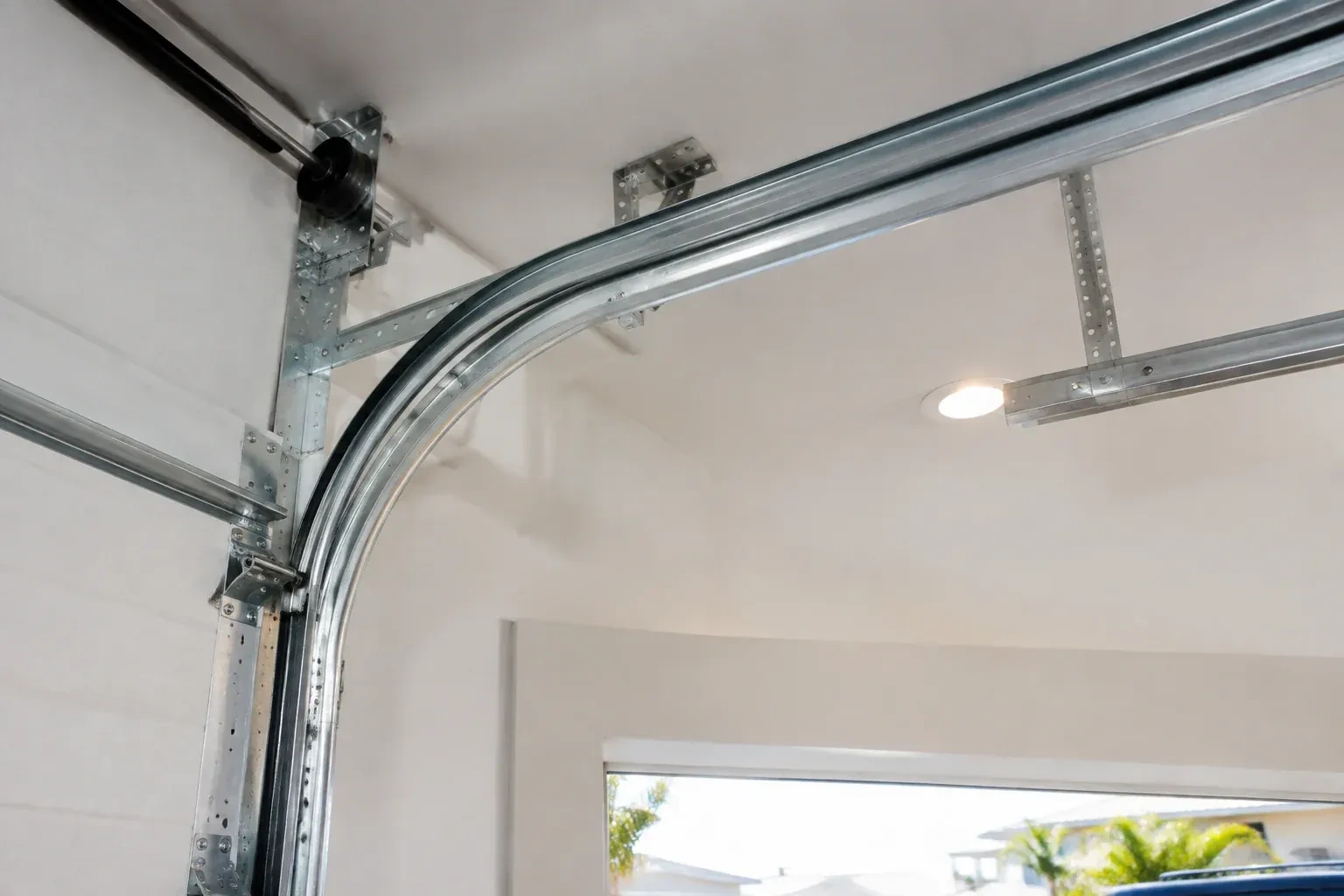
Backing out this morning, the mirror caught the track beside the door. Now there is a crease in the steel at about knee height, and the door stops with a bang every time a roller reaches it.
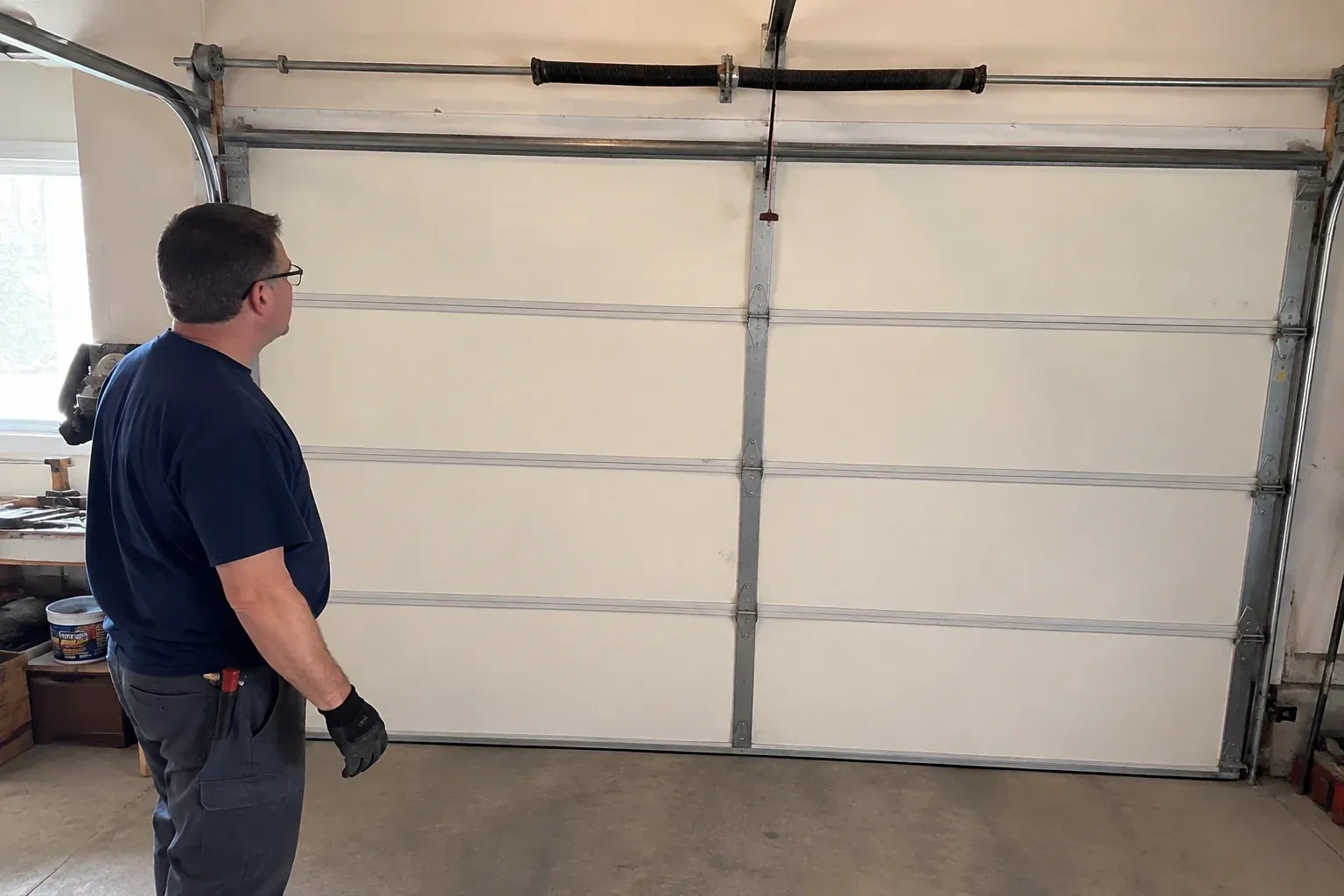
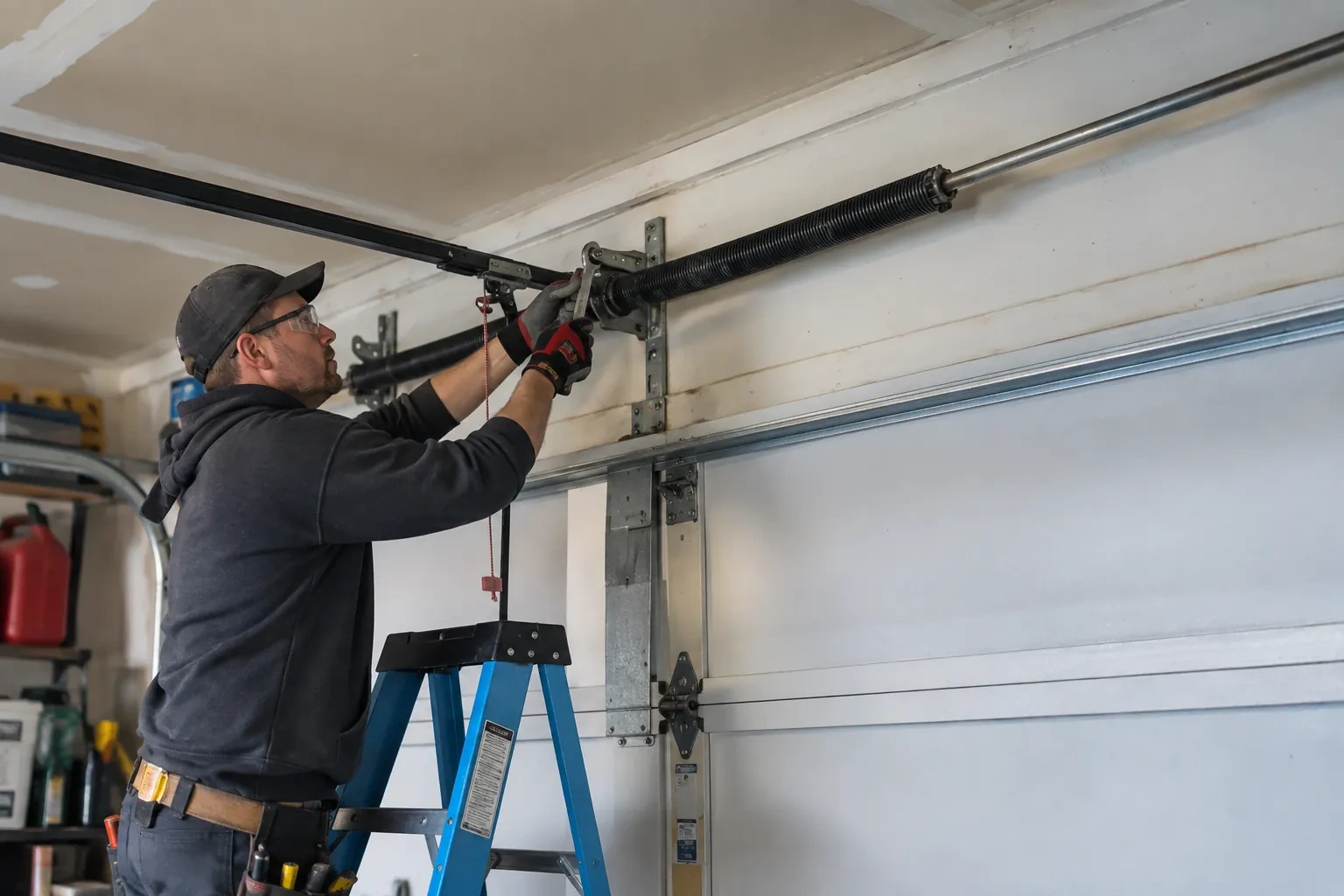
The door drops the last stretch to the floor rather than settling, and when you stop it halfway by hand it slides down instead of staying put. Balance has drifted, and the spring is no longer holding its share of the weight.
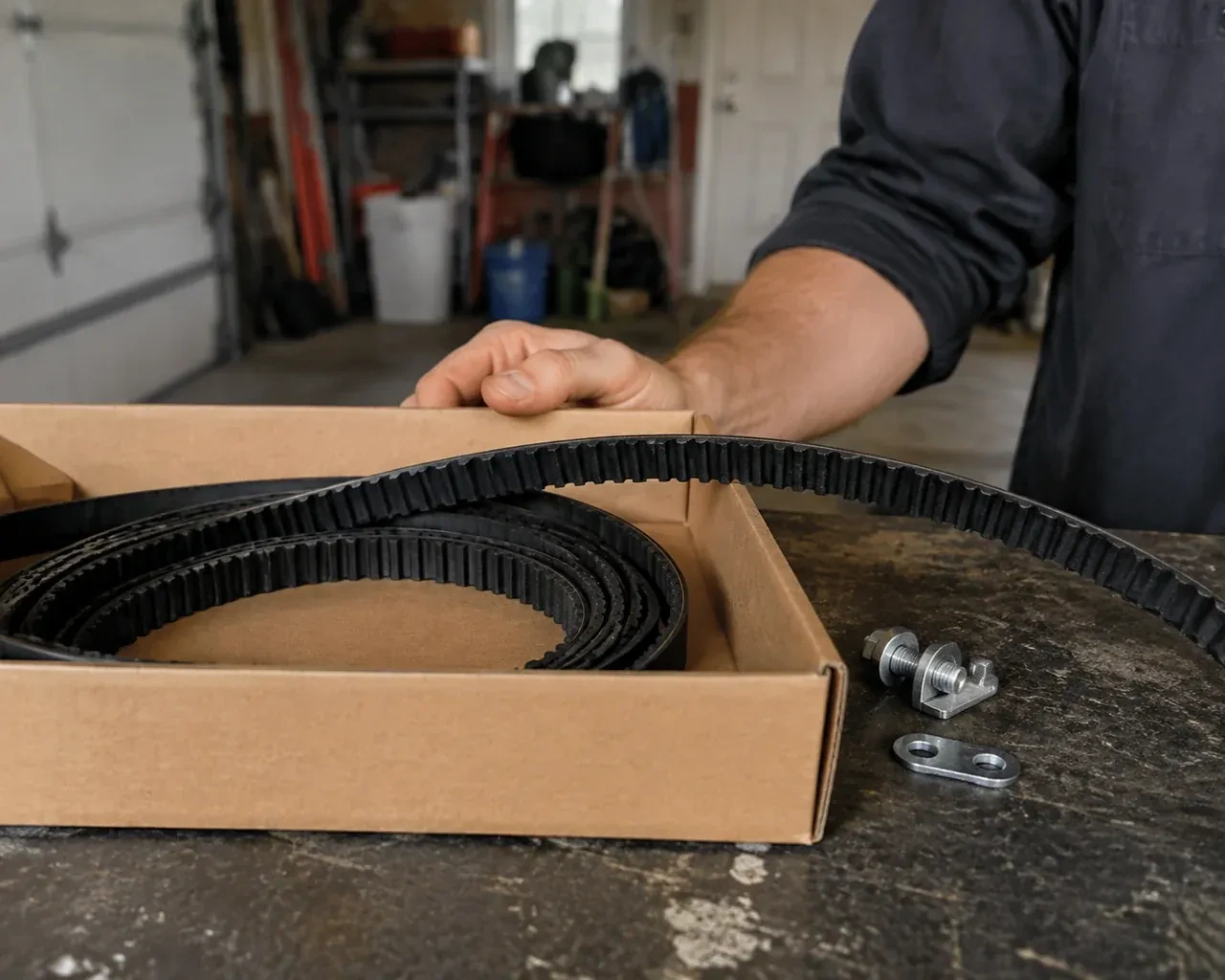
Press the remote and the motor runs its full cycle, lights on, the usual whir, but the door does not move a centimetre. Up at the trolley, the belt is hanging loose where a small plastic clip used to hold it.
Your daughter gets home from school an hour before anyone else. She has lost two house keys this year, and the garage keypad code has been shared with half her class. You would rather open the door from your desk and know the moment she is in.
Since the new door went in, the red handle has hung just below the ceiling, a stepladder's height above anyone in the household. During last week's blackout your daughter stood under it with a broom, unable to hook it down.
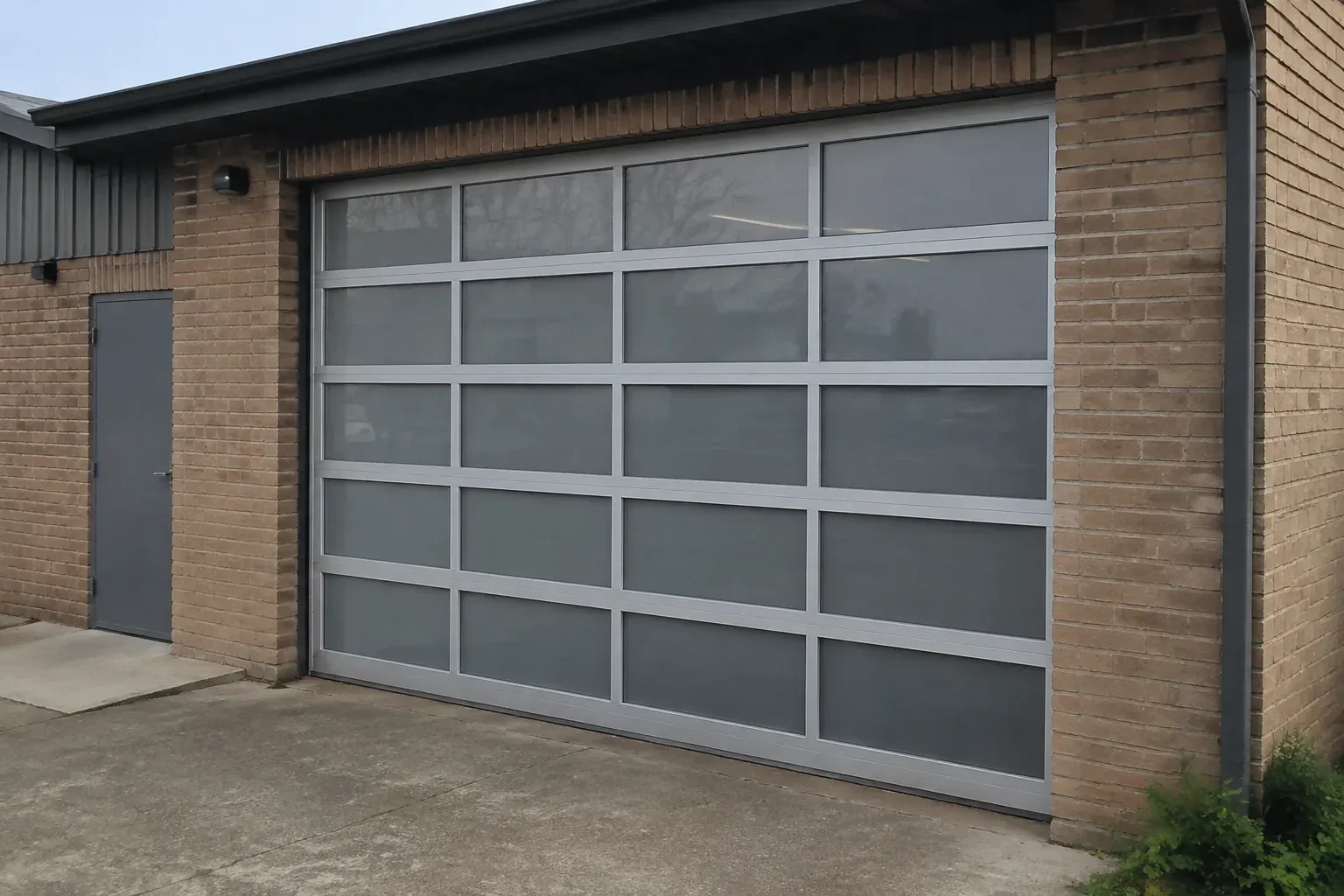
A damaged glazed door has mismatched sections and uneven movement. Instead of chasing separate pieces, you want a complete installation specified to the opening, door weight, tracks, springs and operator.
From the first measurement to the final remote programming, the installation and upgrade services are one connected job. We handle the removal of the old door, the fitting of the new one and the hardware that ties it together.
After the power came back you pulled the red cord to get the car out. Since reconnecting, the door stops short of the floor, and no amount of turning the limit adjustment brings it the rest of the way down.
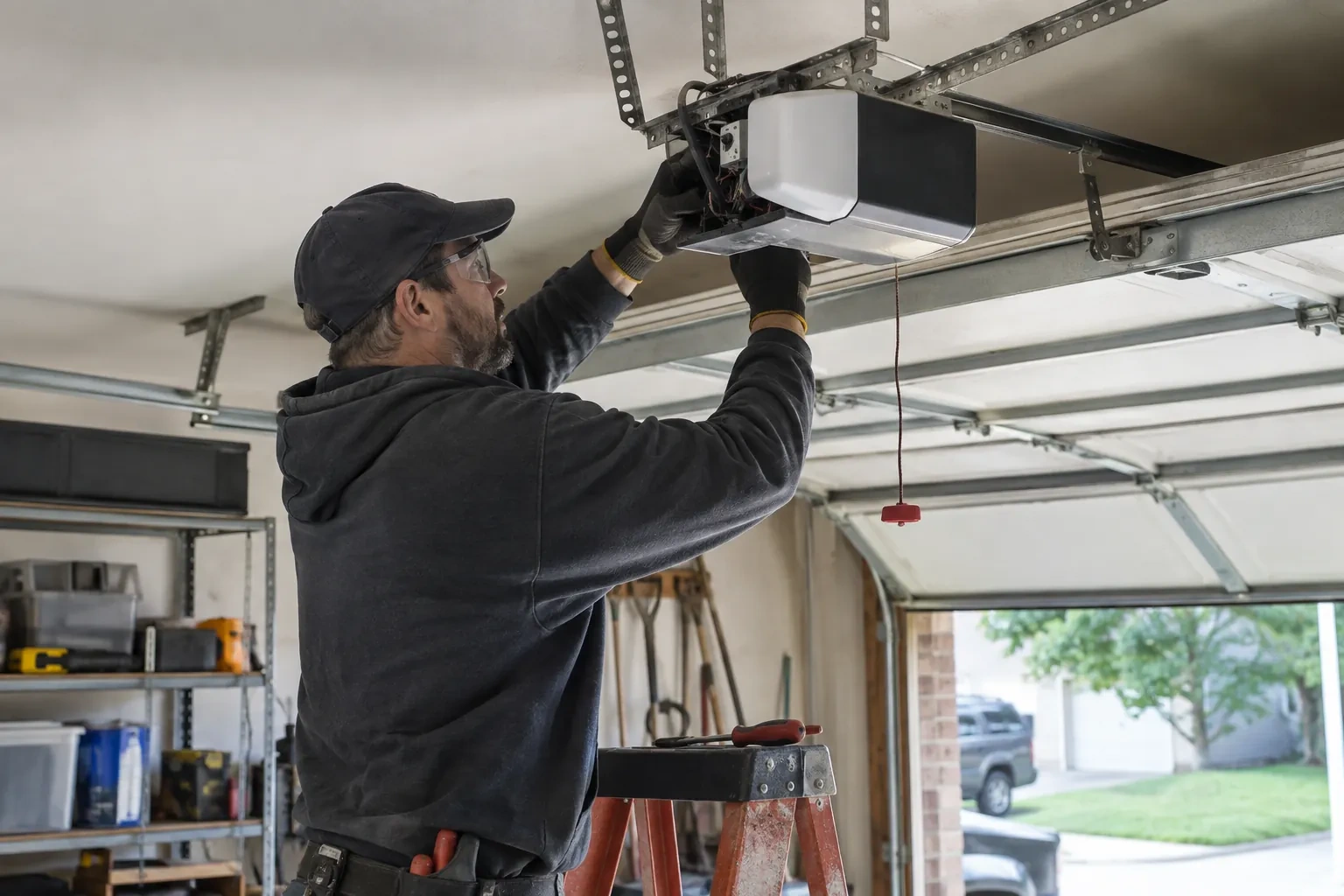
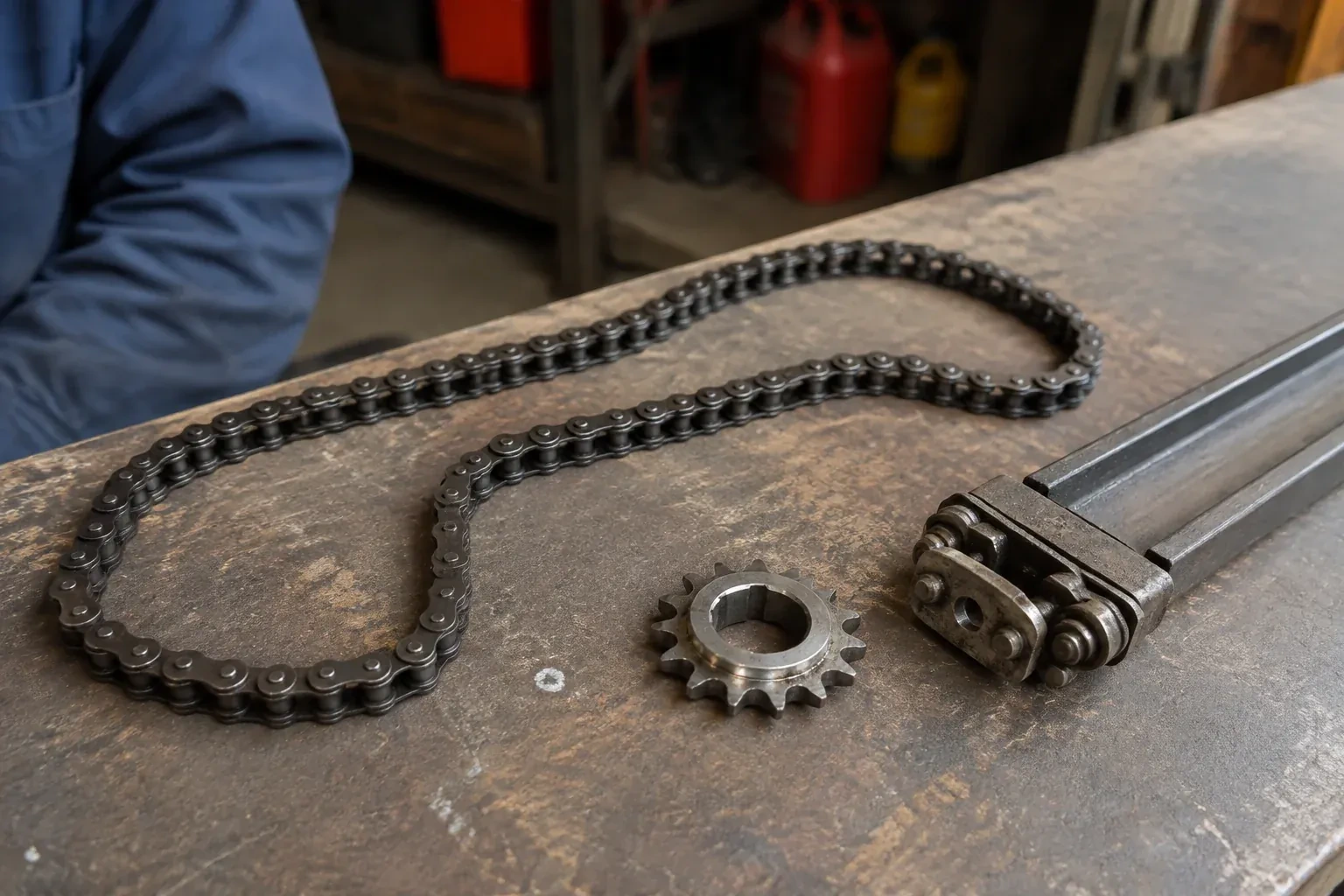
Press the button and the motor hums, but the door stays exactly where it is. Under the housing there is a dusting of white plastic shavings, the sign of a stripped drive gear, and this is the second time it has happened.
After a cold night the door stays open until the garage warms up. There is frost on the sensor lenses and a ridge of salty slush piled against the brackets where the snow blower was parked.
The opener is an older one with a row of tiny switches inside the remote. The last remote finally died, the maker stopped selling that model years ago, and the door itself still runs perfectly from the wall button.
A smart hub arrived in the mail with a coin-cell sensor and two wires. The instructions ask what colour your learn button is and how old the opener is.
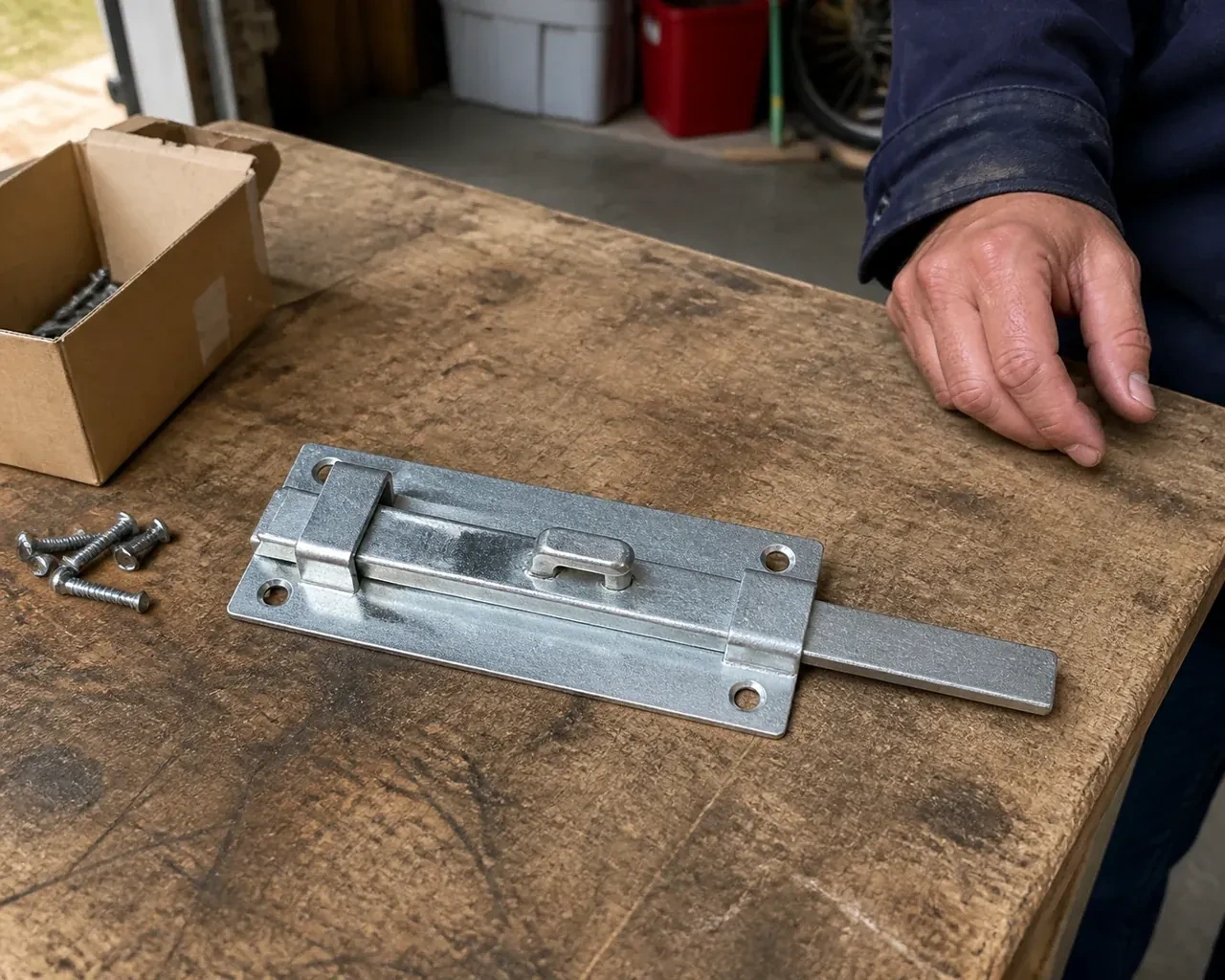
It is the coldest morning of the year. A week of slush and road salt has crusted over the outside release lock, the key will not seat, and the opener inside is silent after the overnight outage.
Which fix fits?
Backing out in a hurry, the bumper tapped the bottom section.
WhyWhen one side of a door drops and the sections tilt, the lifting cables are usually involved.
The bedroom over the garage is always the cold room, and standing in the garage you can feel why: a steady draft along the door edges that moves the cobwebs on the wall.
WhyBy the end of the visit your phone shows the door's true state, updates within a few seconds of any movement, and keeps a history of every open and close with the time, and the user when the command came from a signed-in app or virtual key.
Since the new door went in, the red handle has hung just below the ceiling, a stepladder's height above anyone in the household.
My car bumped the door. Do I need an inspection if it still works?
A door that still runs after a bump can still be carrying the effects of it. The force travels from the dent into the roller, the track, the bottom bracket and the cable on that side, and any of them can be nudged enough to change how the door hangs. An inspection follows that path and tells you whether the mark is cosmetic, whether a part needs work, or whether the balance has shifted.
My door has springs along the sides, not above it. Is the reset the same?
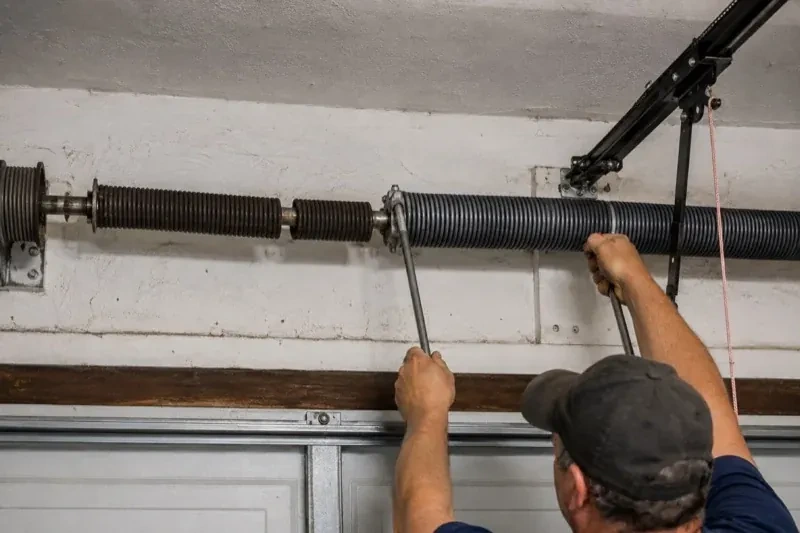
The principle is the same but the sequence differs. With side springs the door is first opened all the way and clamped, because that is the position where the springs carry no load; the cables are then checked over their pulleys and evened up at the clips. The technician also checks that a containment cable runs through each spring, which stops a broken spring flying across the garage, and fits one if it is missing.
Can you replace just one side or only the top piece?
Yes, a single damaged length can be replaced when the rest is sound and still soft; the new piece is matched to the existing profile and colour and its corner is overlapped with the neighbouring fin. When the whole set is the same age and the others are hardening too, replacing all three at once gives an even seal and saves a second visit, and the technician will say which applies.
Are the bottom rollers different from the rest?
The wheels themselves are usually the same, but their home is not. The bottom rollers sit in the bottom brackets, which also anchor the lifting cables and therefore carry the counterbalance load whenever the door is closed. That is why manufacturers put warning labels there and why this position is handled by a trained technician who either exchanges the roller without disturbing the bracket or relieves the spring tension first. It is also the position most exposed to salt and slush, so it is inspected with extra care.
What information helps when I call?
Where the damage is, at floor level, near the curve or overhead; what caused it if you know, such as a bumper or a ladder; whether the door is closed, open or stuck partway; whether any roller has come out of the channel; whether there is a spring above the door or springs along the tracks; and the door's rough size. A photo of the damaged length and of a bracket with its screws is very useful.
What is the difference between torsion and extension springs?
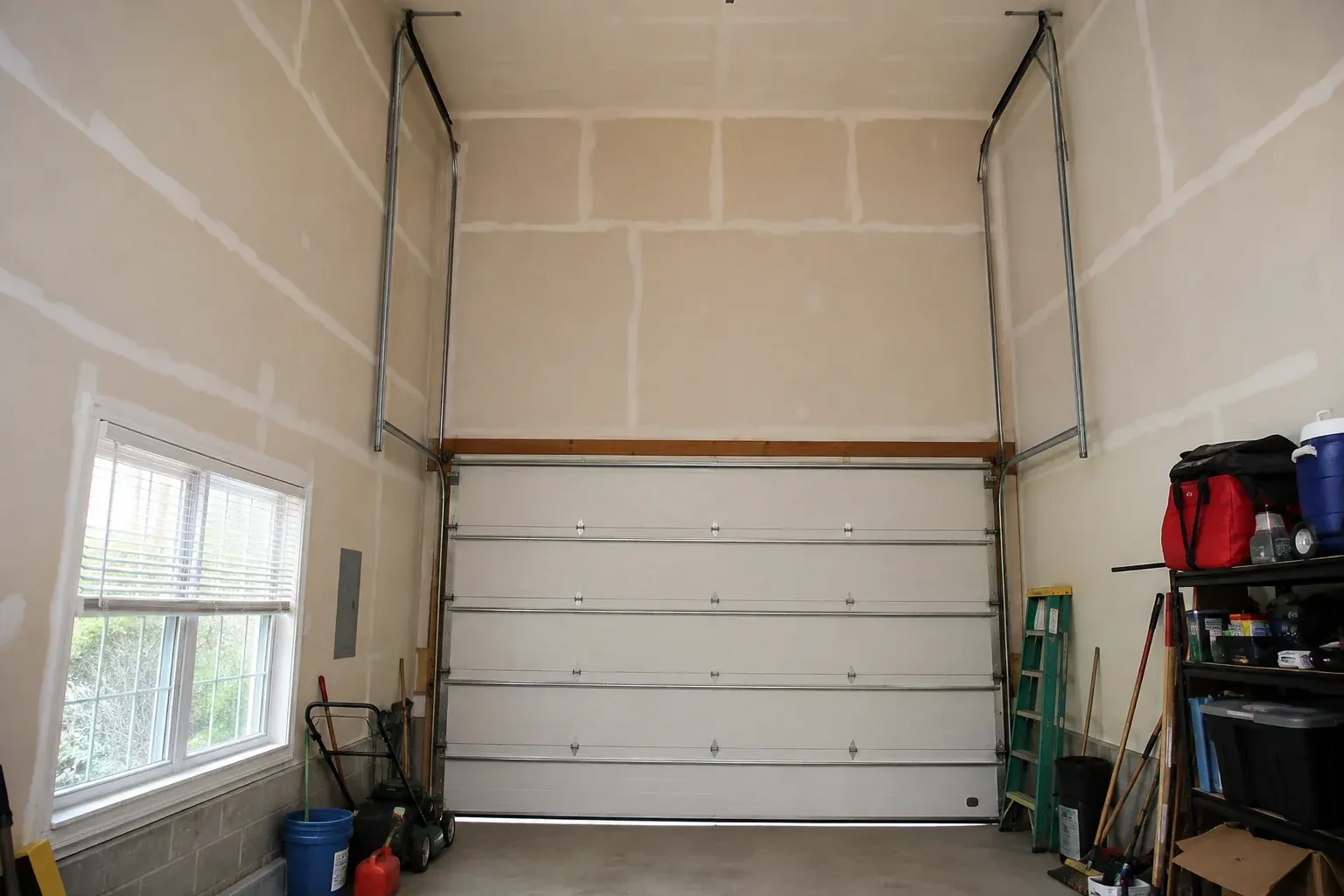
Torsion springs mount on a shaft above the door and twist to store energy, lifting the door through cables and drums. Extension springs run alongside the horizontal tracks and stretch as the door closes, pulling it up through pulleys. Torsion systems tend to lift more evenly, take up less space beside the tracks and are the standard on most modern doors. Both are professional service items because of the energy they hold.
How long does a belt-drive repair take?
A tension adjustment with the safety tests is a short visit. Replacing the belt, trolley or idler pulley, then phasing the motor, relearning limits and running the reversal tests, is usually an hour or two. A gear-and-sprocket kit at the motor head takes longer because the head unit is opened. If the balance test turns up spring work, that is agreed as a separate job with its own time.
What kind of Wi-Fi does it need?
A normal home network with a modern security type and a usable signal at the garage ceiling. Most hubs connect on the 2.4 GHz band, which travels farther through walls than 5 GHz, so a router that broadcasts both is fine as long as the 2.4 GHz network is switched on and can be selected. The technician measures the signal where the hub will sit before mounting anything.
How high should the release handle hang?
No more than about 1.8 metres above the floor, so an adult standing on the slab can reach it, and high enough to clear the roof of the car parked beneath it. It should also be plainly visible and red. If a new door or a rail change left the cord short, or a previous owner tied it up around the rail, the technician cuts a fresh rope to the right length and moves any obstruction out of the way.
Are insulated full-view garage doors available?
Many full-view product families offer insulated glazing or insulated frame members, though the combinations vary. The useful question is how the garage is heated, occupied and connected to the house. The installer can compare compatible constructions and explain section seals and perimeter contact, while comfort still depends on the surrounding walls, ceiling, slab and frequency of opening.
Request a visit
For an older door in Parkway we look for ways to keep it. Original wood doors and extension-spring setups can run for many more years with safety cables, fresh pulleys and a properly set opener. When a door truly is finished, we say so and explain what a replacement would involve, without pushing.