Repairs · Kitchener
Garage Door Tune-Up in Kitchener
You pulled the red cord to lift the door by hand during a power cut and it felt like lifting a car.
In plain words
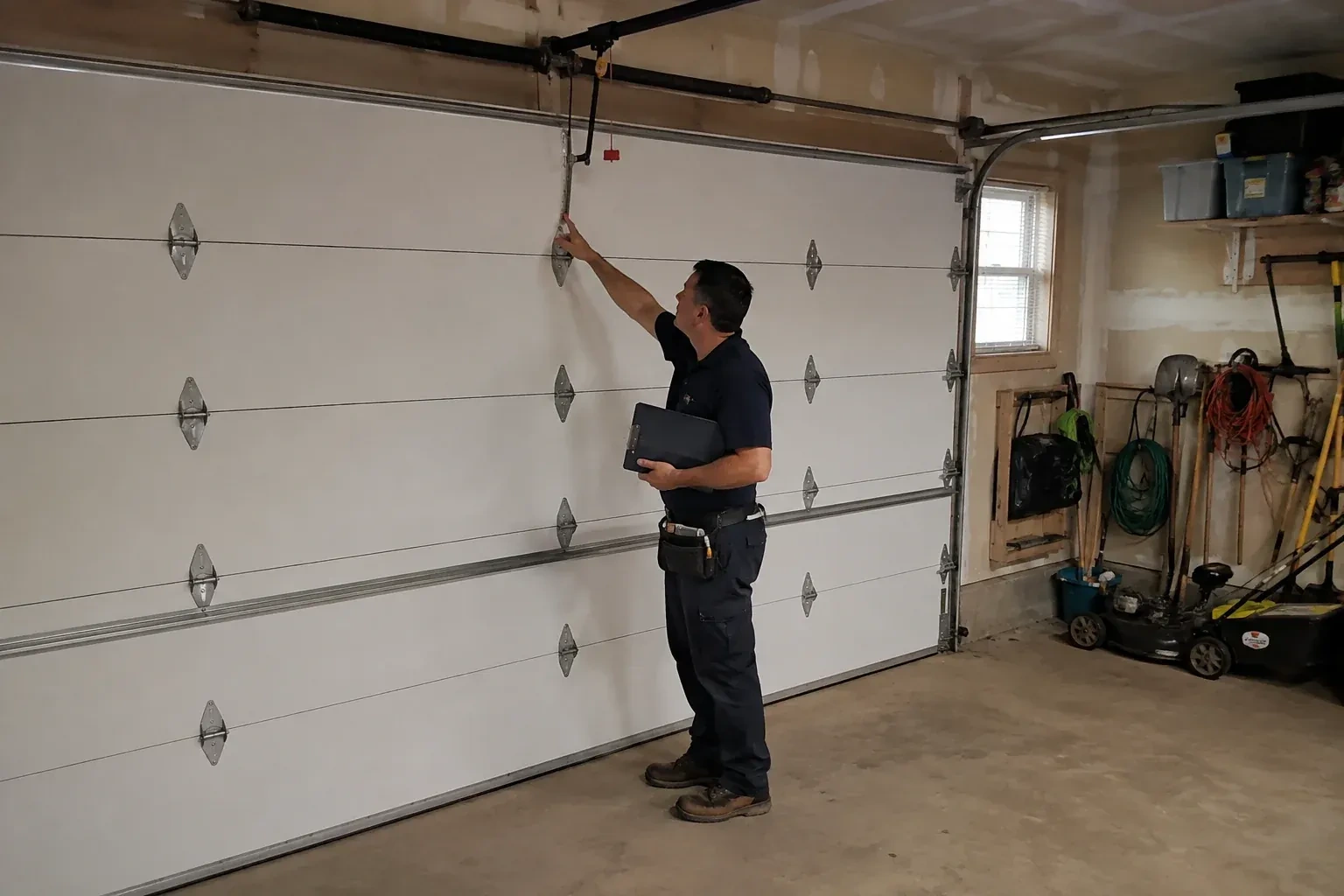
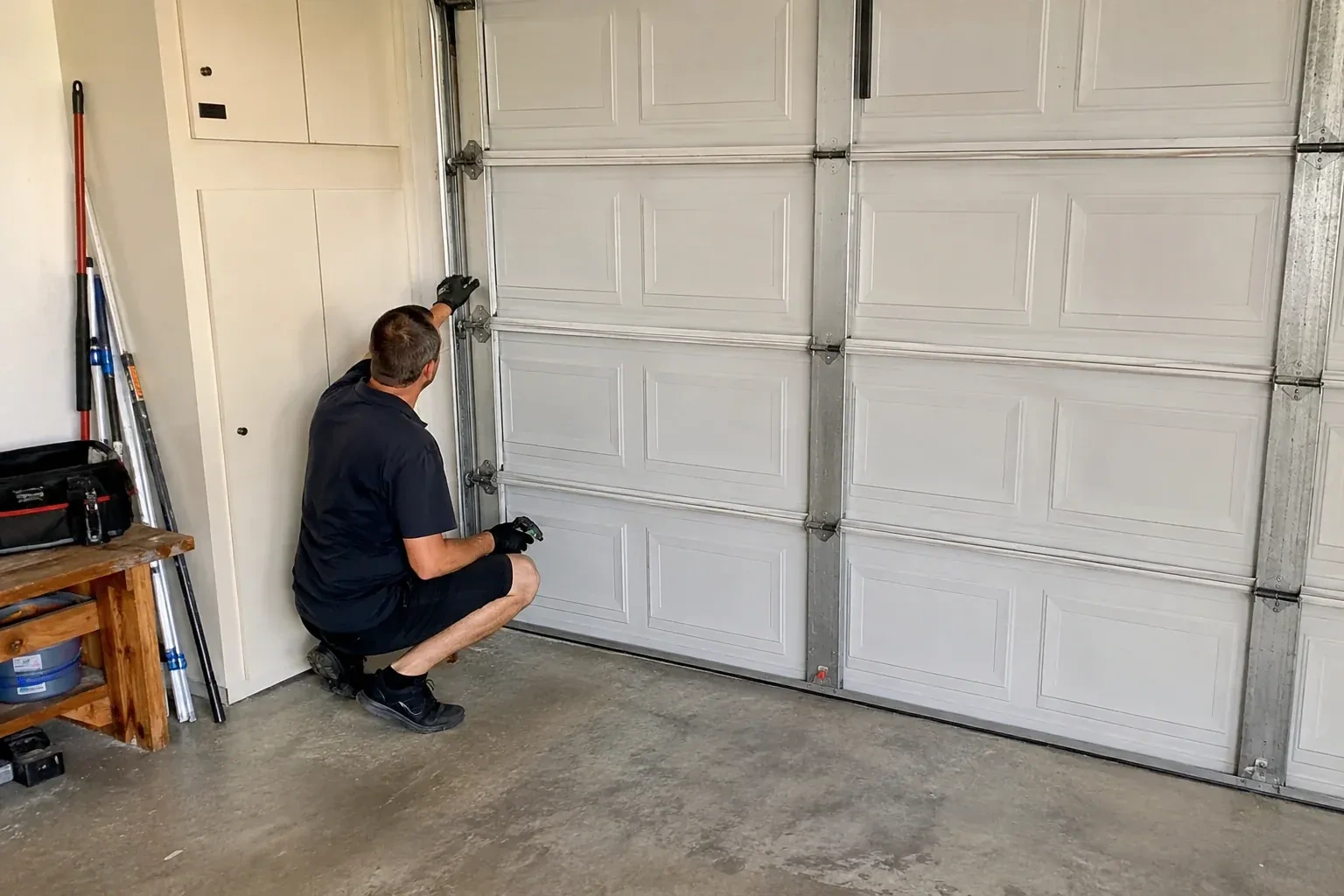
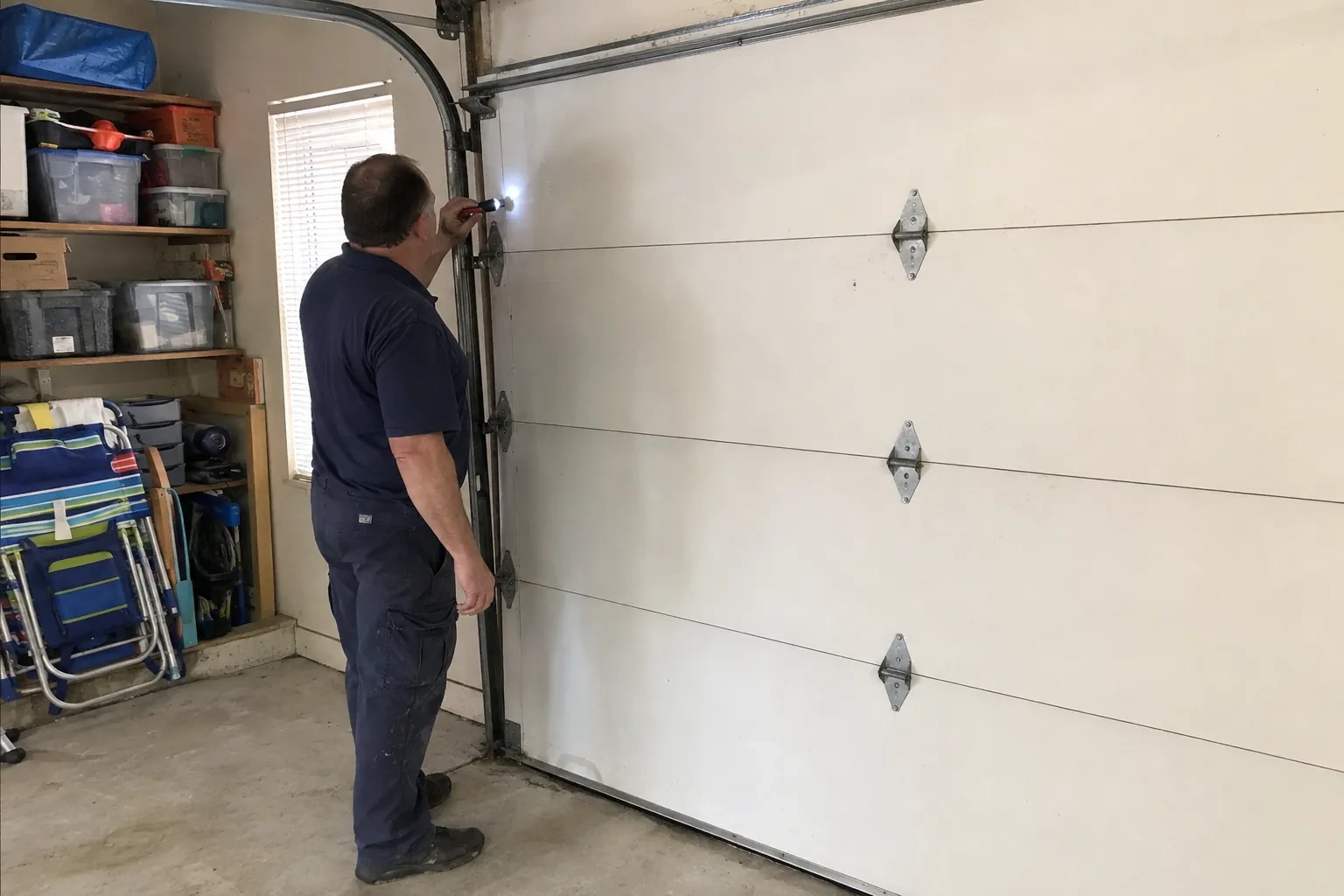
The visit follows a set order. First the technician watches a full cycle, up and down, from a safe distance, noting where the noise, shaking or hesitation lives. Then the door is closed and inspected hardware by hardware, from the bottom brackets to the torsion shaft. The manual release is pulled and the door is lifted by hand to feel the balance. Only then does the work start: fasteners, lubrication, opener adjustments and sensor alignment. A second cycle and the reversal tests close the visit, and the difference between the first run and the last is the measure of the tune-up.
How the visit goesOn windy nights the door rattles in its frame, there is a line of daylight along one side, and the bottom seal has gone hard and flat. Leaves and fine snow drift in underneath and the garage never seems to hold its temperature.
Garage Door Tune-Up
How the visit goes
Your history of the door
The technician also asks you a few plain questions, because you have been living with this door every day. When did the noise start? Does the door behave differently in cold weather? Has anything struck it, or has a storm bent anything? Does it ever reverse on its own? Has anyone worked on it before, and is there paperwork or a model label? Are the remotes and wall button doing what you expect? None of this replaces the physical inspection, but it points attention to the right place and often explains a finding, such as a track that was knocked by a bumper months ago. Your answers go into the written record too.
Rollers and hinges that have earned attention
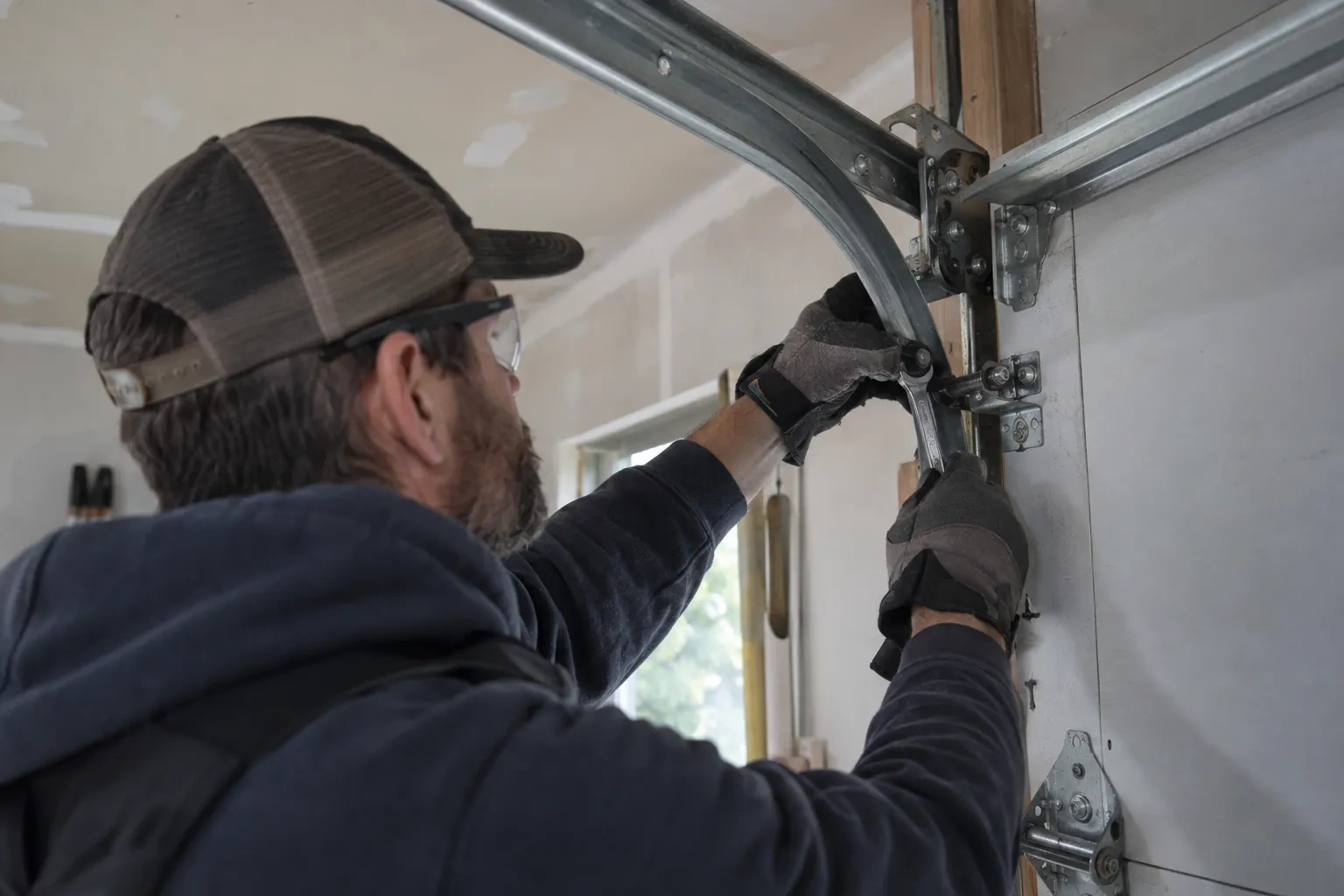
Sometimes the inspection finds a roller with a flat spot, a bearing that grinds even when lubricated, or a hinge with a cracked knuckle, and these are the small parts that make a door loud and rough. Where the customer agrees, a worn roller or hinge on the middle sections can be changed during the visit: the door is clamped to the track so it cannot move, the hinge is unbolted, the roller stem is drawn out and the new part goes in with fresh fasteners. Rollers at the bottom section stay with the tension-bearing hardware and are handled separately. Even a single replaced roller can remove the loudest sound in the cycle.
Care between visits
A tuned door stays tuned longer with a little attention from you. Every few months, put a small amount of the same silicone- or lithium-based garage door lubricant on the hinge pins and roller bearings and work the door a few times. Wipe the tracks clean and leave them dry. Keep the photo-eye lenses clear of dust and cobwebs, and keep bins and bicycles from leaning on their brackets. Rinse the door and the lower hardware after winter and treat the seals with silicone spray. Listen once a month as the door runs; a new sound is easier to address early. Anything to do with springs, cables or bottom brackets is left for the technician.
Garage Door Tune-Up
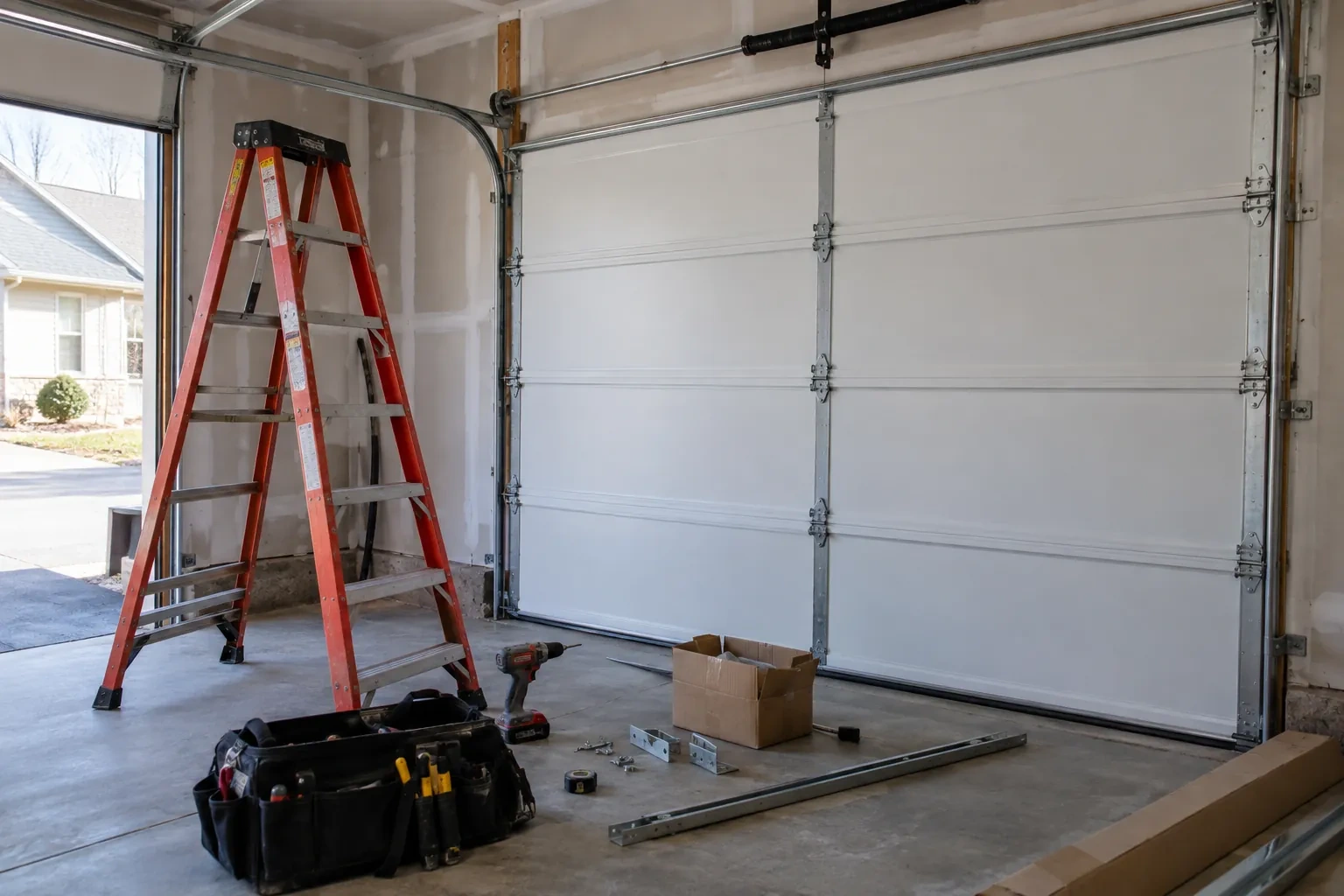
In the van
2x4 test block and tape measure
Socket set and drivers
Bottom seal (astragal)
Photo-eye brackets and wire
Silicone or lithium garage door lubricant
Garage Door Tune-Up
What affects the quote
Balance findings
If the balance test shows the springs have lost tension, spring adjustment or replacement is a separate job with its own quote rather than part of the maintenance visit.
Written record and follow-up
A basic handover note is part of every visit. A detailed condition report with photographs for a landlord, a strata or a home sale is available as an added item.
Torsion or extension springs
Torsion springs above the header and extension springs beside the tracks are inspected differently, and extension systems have pulleys and safety cables that add items to the checklist.
What to have ready
- When was the door last serviced, and do you have any paperwork?
- Is the door a single or a double, and what is it made of?
- Do both sensor lights near the floor glow steady, or does one blink?
Garage Door Tune-Up: questions
QuestionsHow should I prepare the garage before the visit?
Move vehicles out of the garage or well clear of the door's path, and clear the floor under the opening and along both tracks so a stepladder can be set up. Keep children and pets out of the garage during the work. If you have the door or opener manual, or know the model, have it handy. A short note of what you have noticed and when, especially in cold weather, is genuinely useful.
How often should a garage door be tuned up?
Once a year suits most attached garages here, ideally in the fall before cold weather thickens lubricant and stiffens seals. Door and opener makers suggest lubrication every three to six months and a homeowner balance check and reversal test every month, so an annual professional visit sits on top of that light routine. A lightly used door in a detached garage may go longer; a heavily used one, or one exposed to salt spray, benefits from a spring check too.
Can a tune-up make my noisy door quieter?
Usually, yes, and often dramatically. Most garage door noise comes from dry hinge pins, dry roller bearings and hardware that vibration has loosened, and those three are exactly what a tune-up addresses. Some noise comes from parts that have worn, such as a roller gone out of round or a chain that has stretched, and the technician tells you which sounds were settled by maintenance and which point to a part worth replacing, with a separate quote for that.
Related services
- Off-Track Garage Door ResetOne side of the door hangs a hand's width lower than the other.
- Garage Door Panel ReplacementYou misjudged the last metre of the driveway and felt the bumper meet the door.
- Garage Door Bottom Seal ReplacementThe garage doubles as a workshop, and with the heater running the floor near the door stays cold and the draft finds your ankles at the bench.