New Doors · Kitchener
Carriage-House Garage Door Installation in Kitchener
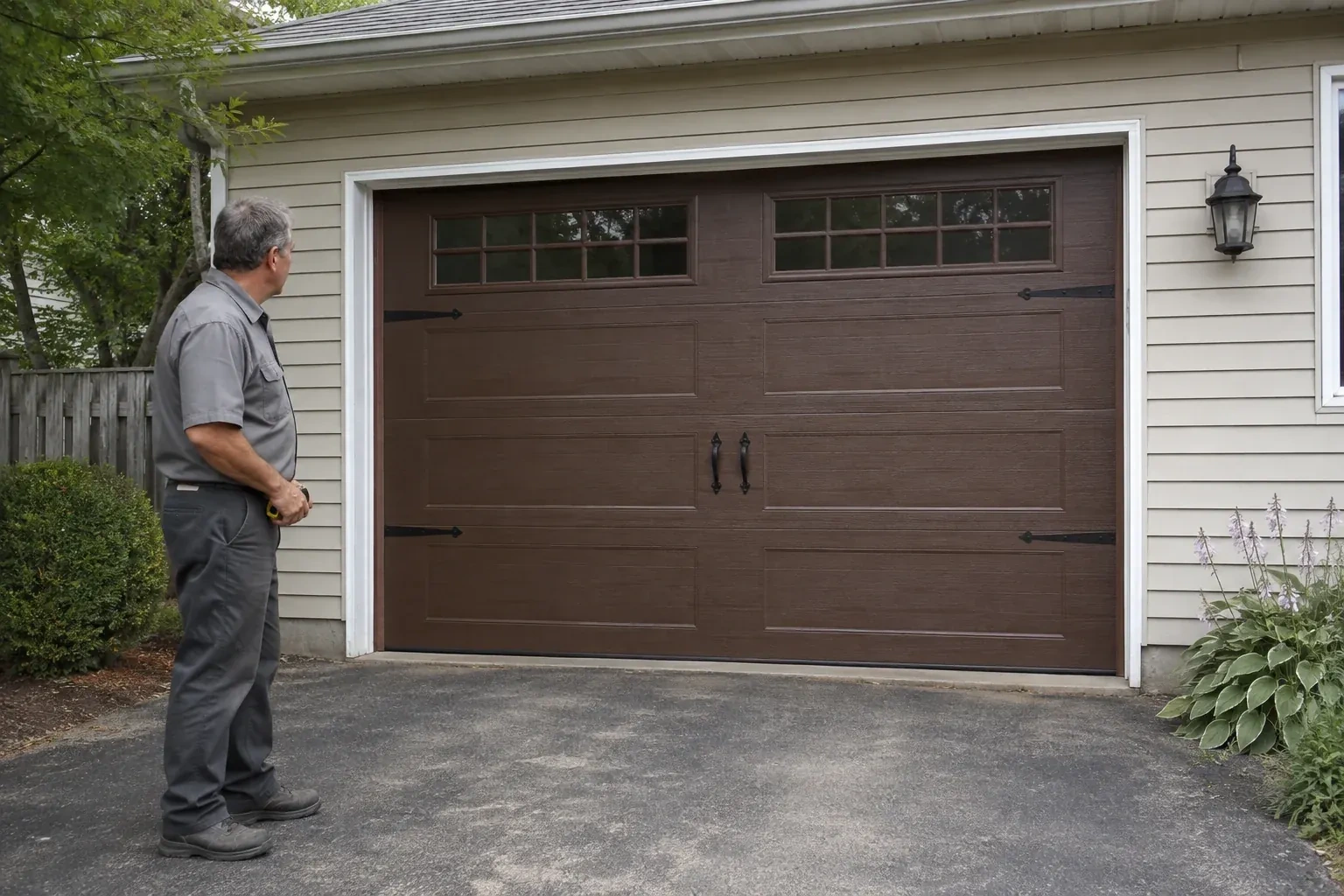
A front elevation update has brought new trim, lighting and a deeper colour palette, leaving the garage door as the remaining piece.
In plain words
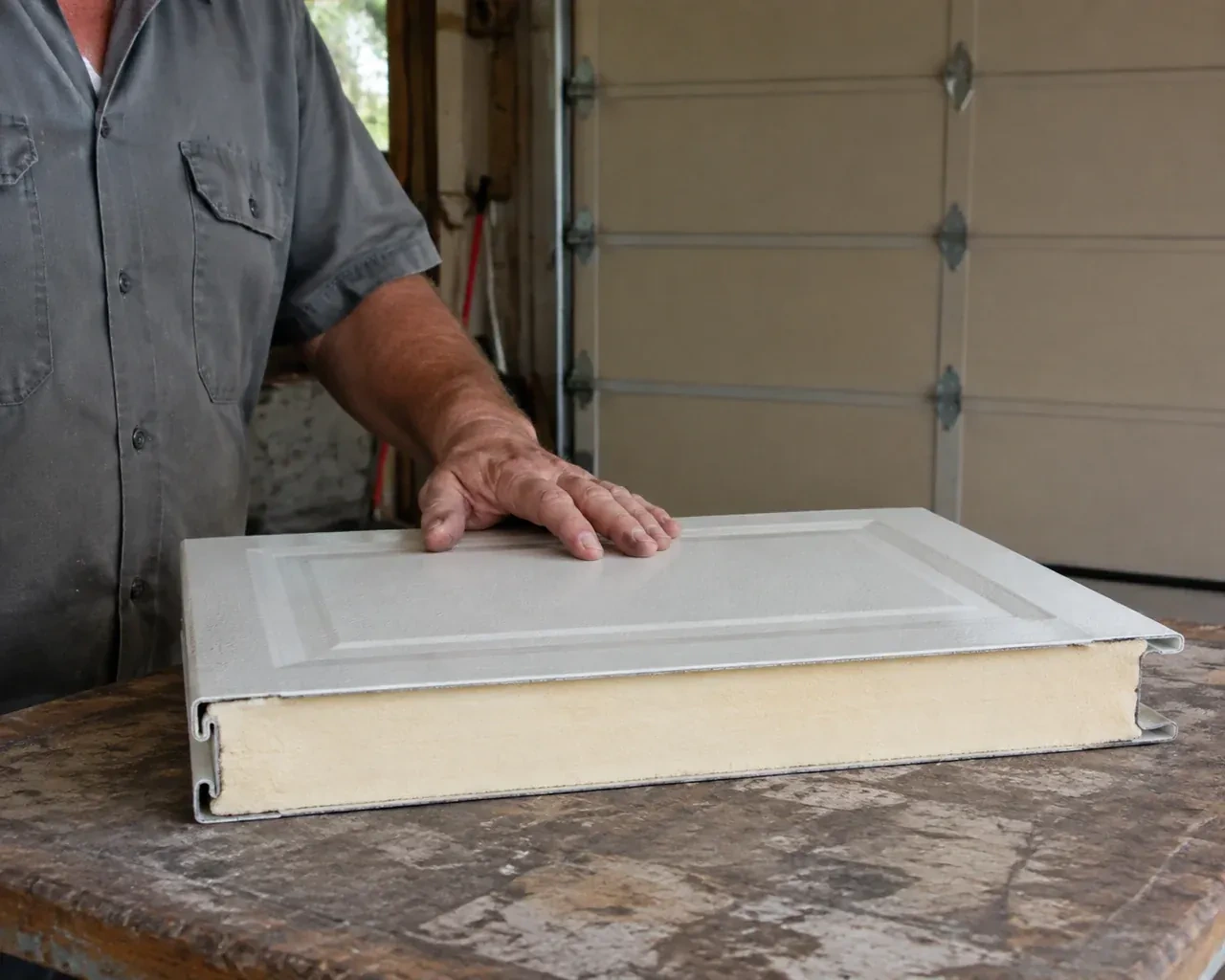
Insulated carriage-house doors combine decorative choices with practical enclosure details. Section construction, thermal breaks where offered, glazing and weather seals all influence how the closed opening feels through changing seasons. During installation, the bottom astragal is fitted to the floor and the side and top seals are adjusted to meet the face of the door without restricting travel. The result is a finished assembly whose style, closure and everyday operation have been considered together.
How the visit goesA front elevation update has brought new trim, lighting and a deeper colour palette, leaving the garage door as the remaining piece. Its pattern and finish now need to join the overall composition.
Carriage-House Garage Door Installation
How the visit goes
Building an exterior design brief
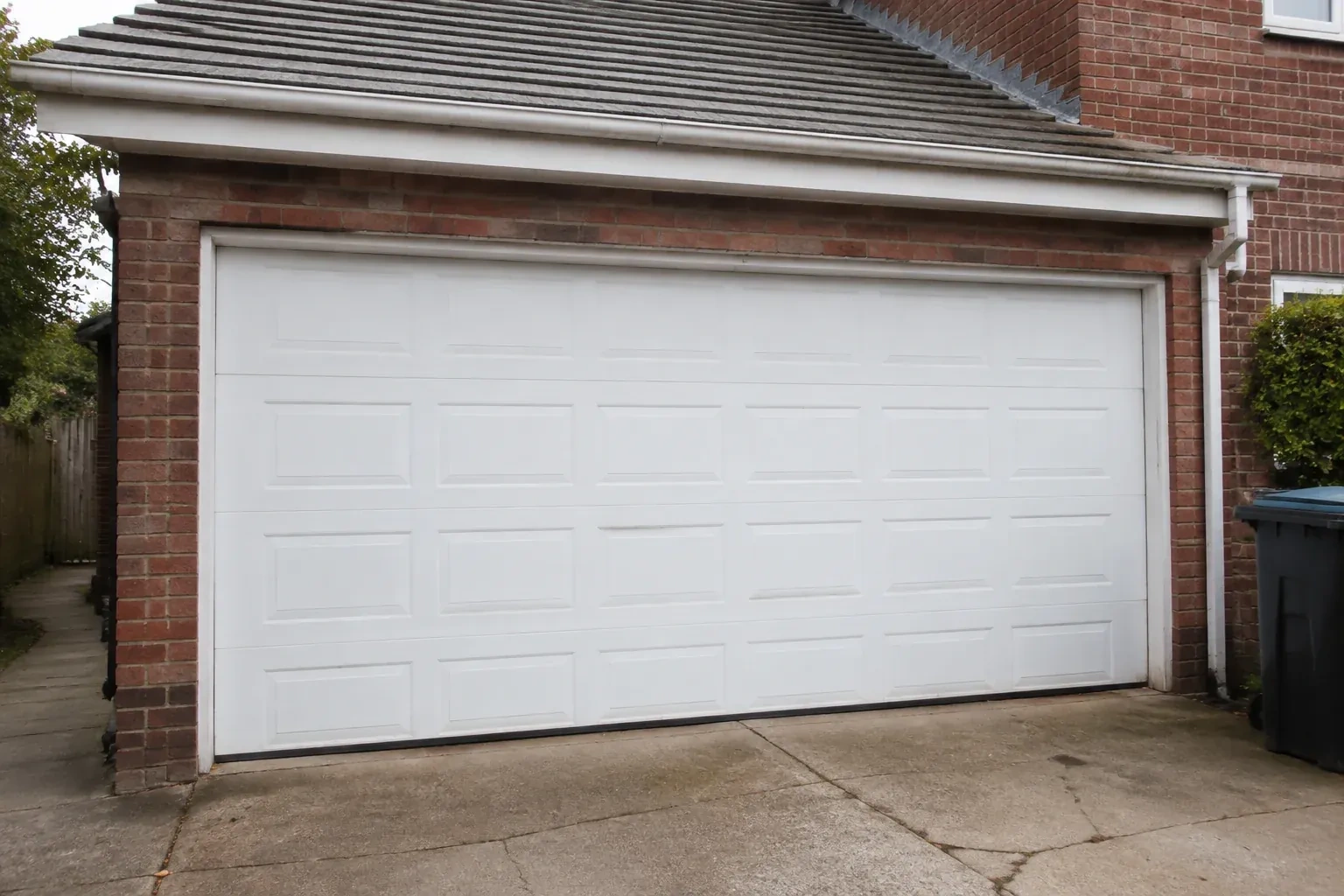
Selection starts by noting the house features the new door should relate to: roof lines, masonry joints, window proportions, entry-door colour and exterior trim. From there, samples can be compared for panel geometry, overlay depth, grain and sheen. A wide opening may need a different pattern scale than a single opening beside it. Recording these relationships gives the homeowner a reasoned layout, not a collection of decorative pieces chosen independently from the elevation.
Stacking the sections in sequence
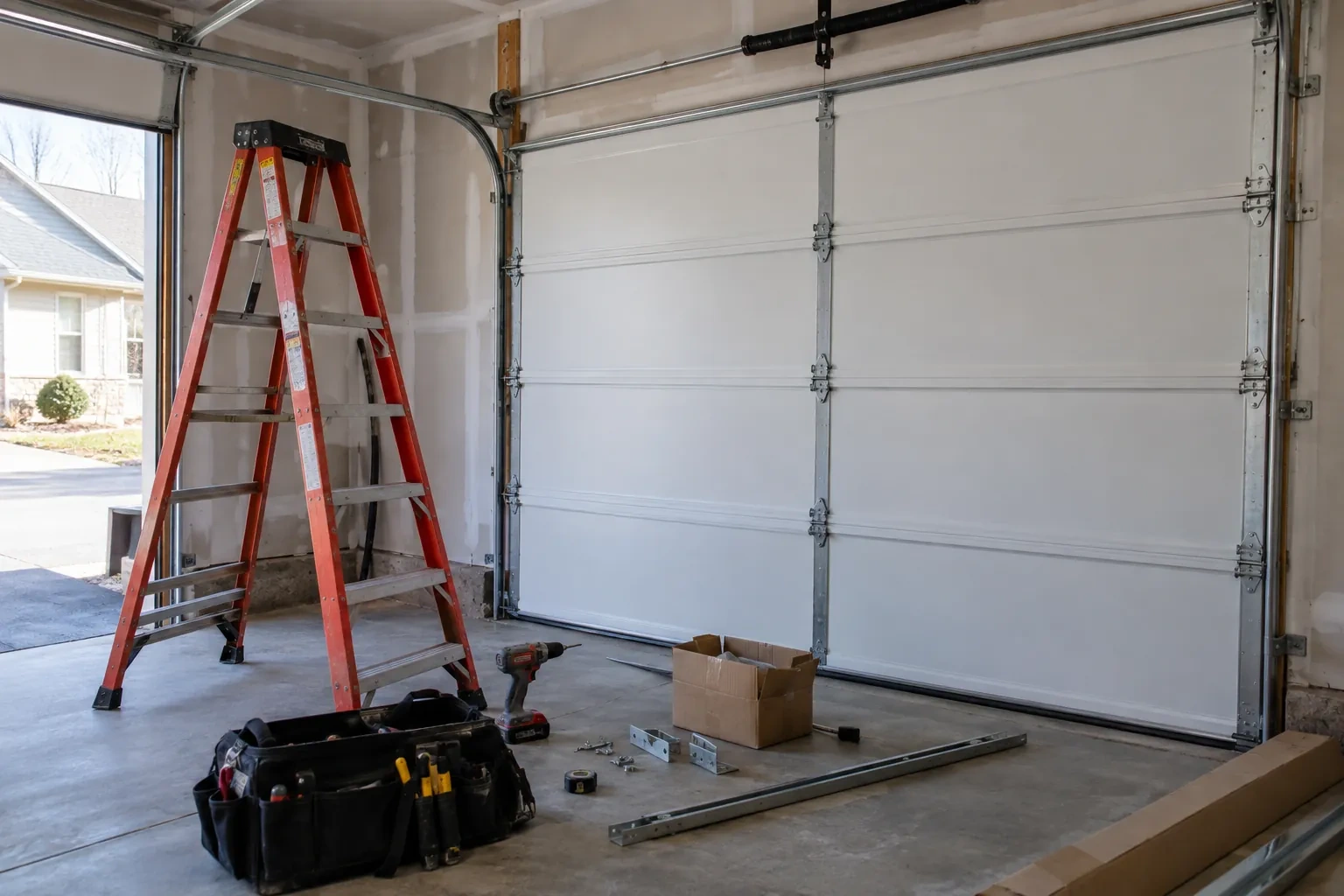
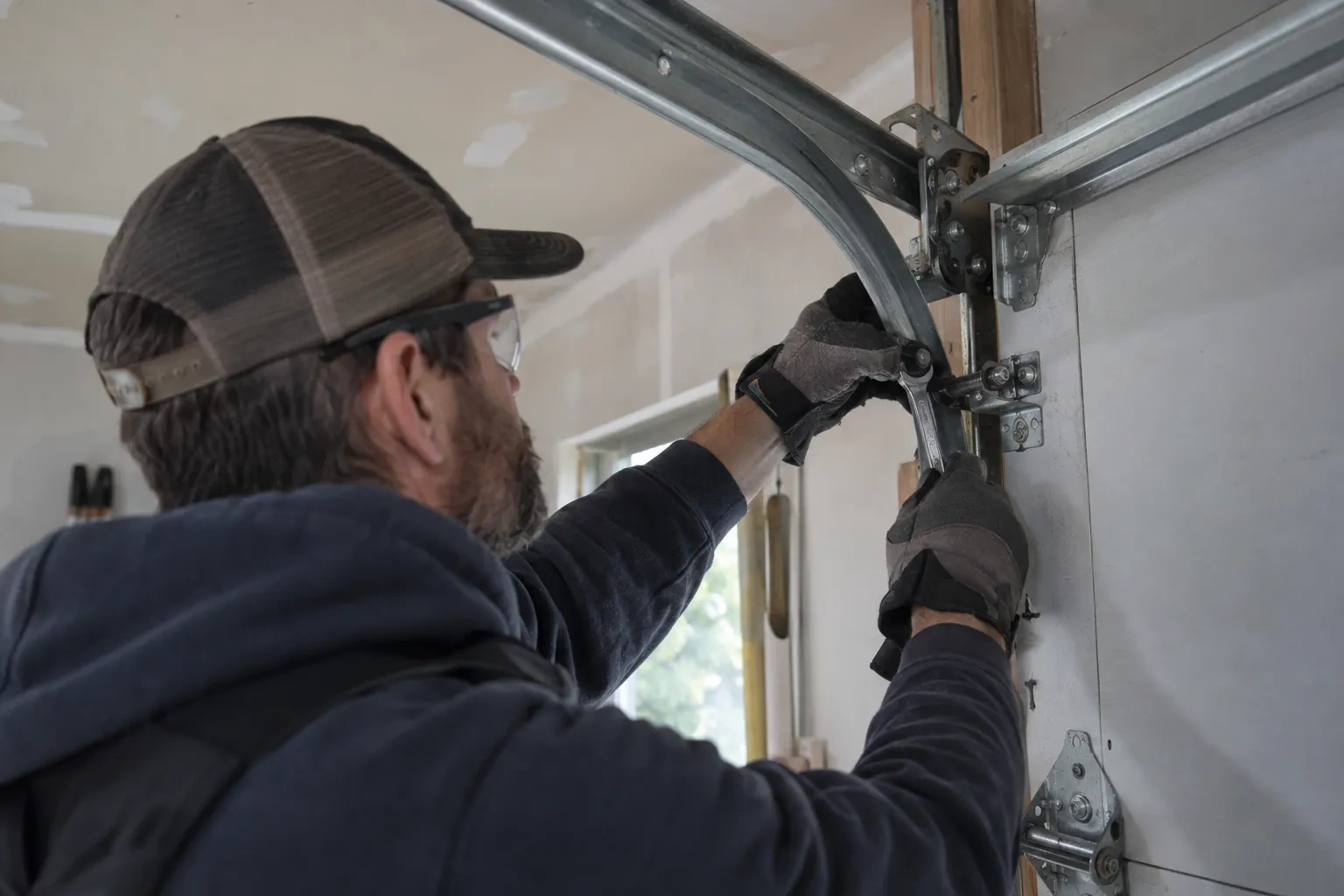
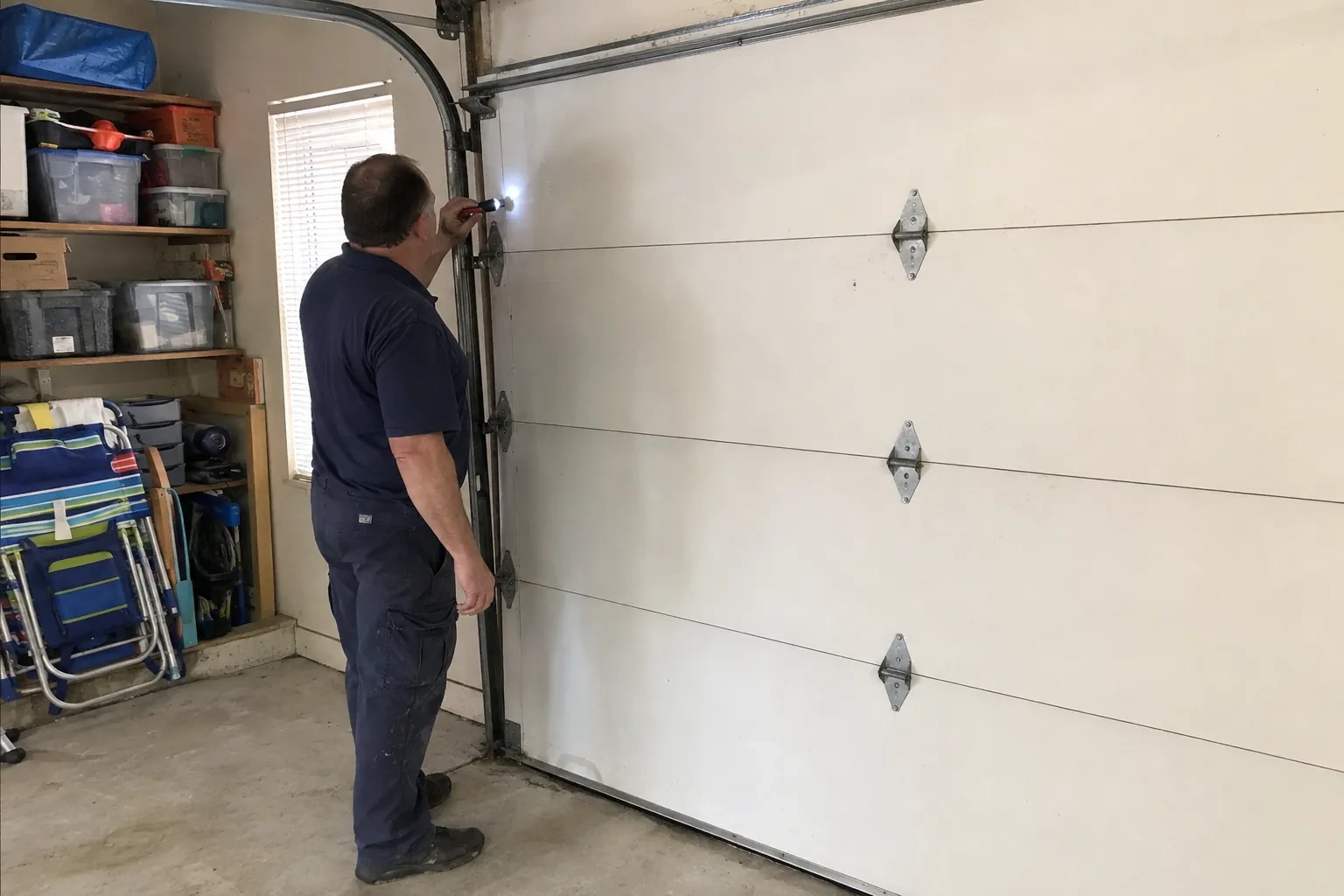
The bottom section is set first, levelled at the threshold and fitted with its seal and corner hardware. Subsequent sections are added in their marked order, with rollers, centre hinges and graduated edge hinges attached at the specified points. Struts and reinforcement are installed where the design calls for them. As the stack rises, joints are checked for even engagement and clean movement. Windows and overlays remain protected during handling so the architectural face reaches its installed position without scuffs or misplaced pressure.
Finish care matched to the material
The handover identifies whether the visible surface is factory-finished steel, composite overlay, stained wood or another specified construction, because each has its own care routine. Mild cleaning and a soft cloth suit many finished surfaces, while wood elements may call for periodic coating care described by their maker. Abrasive pads and harsh cleaners are set aside. Small chips, loose overlay edges or changing sealant joints are easier to address when noticed during regular washing rather than after several demanding seasons.
Carriage-House Garage Door Installation
In the van
Torsion spring assembly
Operator attachment bracket
Bottom weather seal
Composite or wood overlays
Hinges and rollers
Carriage-House Garage Door Installation
What affects the quote
Decorative hardware package
Handles, knockers, clavos and strap accents vary in quantity, material and attachment method. Their layout and section-clearance checks are included in the installation work.
Door weight and counterbalance design
Overlays, glass and reinforcement affect finished weight. Springs, shafts, drums, cables and bearings are selected for that assembly, so a heavier design changes the required lift components.
Existing opener compatibility
Keeping an opener calls for model review, reinforcement and new travel setup. A separate operator scope may arise when door weight, rail geometry or desired controls differ from the existing equipment.
What to have ready
- Will any framing or electrical work happen first?
- Would you like insulated sections and insulated glazing?
- Can vehicles and stored items be cleared from the work area?
Carriage-House Garage Door Installation: questions
QuestionsWhat routine care does the decorative finish need?
Care follows the selected surface. Factory-finished steel and many composite overlays generally benefit from mild washing with non-abrasive tools, while wood components may require coating attention at intervals described in their instructions. Keep a record of the finish name and approved care products. During cleaning, look over overlay edges, fasteners, glazing retainers and weather seals for visible changes.
Which materials are used for carriage-house garage doors?
Common choices include embossed steel sections, insulated steel with composite overlays, and wood or wood-faced sectional construction. They differ in weight, surface depth, grain, moisture response and care. Samples are helpful because photographs can flatten texture and alter colour. The chosen construction also guides spring sizing, reinforcement, fasteners and the kind of finish maintenance expected later.
Why are the springs specified after the design choices?
Springs counterbalance the completed moving weight, which includes the sections, overlays, glass and reinforcement. Changing from a plain panel to a heavier decorative construction can therefore change the required spring dimensions and cycle characteristics. Finalizing the door specification first allows the counterbalance components to be selected from the real assembly rather than estimated from the opening size alone.
Related services
- Insulated Steel Garage Door InstallationThe opener strains as the heavy older door starts upward, and manual movement feels uneven.
- Wind-Rated Garage Door ReplacementYour building designer has supplied positive and negative pressure values for the garage opening.
- Full-View Glass Garage Door InstallationYou like the brightness of clear glazing but not a direct view of everything stored inside.